An official website of the United States government



Peace Corps' pre-service training and beyond
For more than 60 years, the Peace Corps has sent Volunteers throughout the world to provide service to others. Our programs span six sectors and a wide variety of job requirements.
For many Peace Corps programs, having a college degree or five years of work experience and an interest in the sector will qualify you to serve. Core expectation No. 2 asks Volunteers to “build relationships and work alongside community members on locally prioritized projects that promote knowledge exchange and contribute to a lasting impact."
It can be daunting to think about learning new skills in a new culture. It's important to remember that Volunteers participate in a broad range of training throughout their 27 months of service, starting with pre-service training (PST).
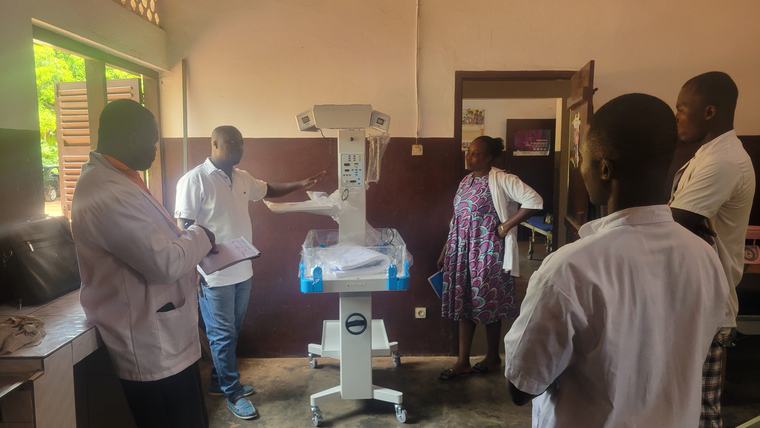
Pre-service training will look and feel a little bit different in each country, but there are some common threads across all posts. All training is done in-country and facilitated primarily by host country staff. Generally, training lasts 10 to 12 weeks and Trainees stay with host families during that time. PST includes sessions on technical, linguistic, intercultural, health, safety and security and community assessments through Participatory Analysis for Community Action (PACA).
Through these sessions, Trainees are equipped with knowledge that will help them integrate once they reach their assigned communities. Trainees are required to demonstrate competence in each of these areas in order to swear in as a Peace Corps Volunteer. Training in these topics do not stop after PST, and Volunteers continue to learn and grow in these aspects throughout their 27-months of service.
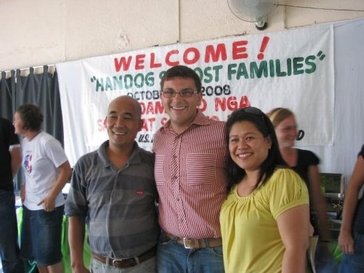
For many, PST functions as an important transition period from your previous life in the United States to your new reality as a Volunteer in a different country and culture. PST is an intensive experience because you will be presented with new information, new words, new skills, and new friends. During PST, you get to know the Peace Corps staff, as well as your fellow Trainees. The bonds that you make during these initial weeks have the potential to blossom into important connections throughout your service, and even after you’ve completed your 27-month commitment.
If you are considering service with the Peace Corps, don’t be intimidated by taking on new technical skills or a learning a new language. Peace Corps has a demonstrated history of helping prepare thousands of Volunteers each year to make meaningful contributions to their communities. For many Volunteers, their 27 months of service allows them to grow existing skills, while also expanding their repertoire. PST, and other Peace Corps-sponsored training, is an important factor in Volunteer success. Remember, even before you depart for service, you can gain additional skills and increase your preparedness for service through professional or volunteer work.
Whether you’re taking on a new skill, or harnessing skills developed over a lifetime, we invite you check out our positions, apply to serve, or connect with a recruiter to learn more.