An official website of the United States government




Do I need a college degree to serve in the Peace Corps?
Did you know? There are several ways to qualify for Peace Corps assignments and many do not require a 4-year college degree.
With two to four years of work experience (or a blend of experience and education), you may qualify for exciting overseas assignments.
We break down everything you need to know—whether you have an associate’s degree, chose to dive straight into the workforce or opted for non-traditional education.
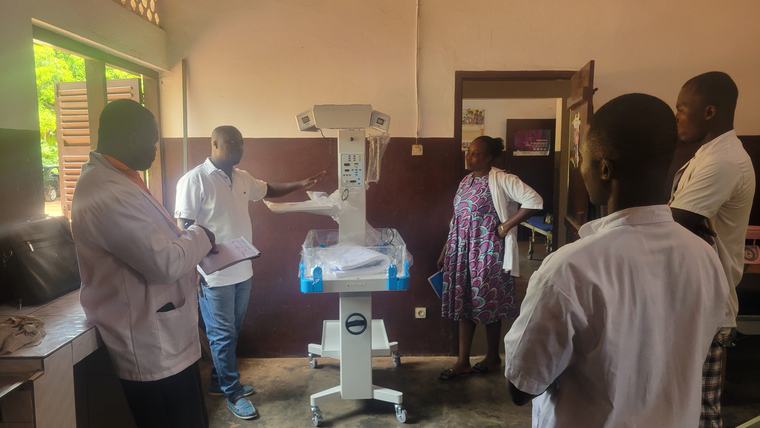
“I was hesitant to apply for the position, knowing I only have an associate’s degree in photography. However, I applied regardless and was delighted to discover that the Peace Corps was more interested in my life and career experience than the degrees I hold.” Kelcey F. (Togo)
Applying without a college degree
The Peace Corps values practical experience just as much as formal education. This means you can still be a strong candidate if you possess:
- Relevant work experience
- Hands-on skills
- Volunteer or community service experience
- Certifications or vocational training
- Strong leadership or teaching experience
The Peace Corps looks for people who can adapt, collaborate, and bring real-world skills to the communities they serve—not just academic credentials.
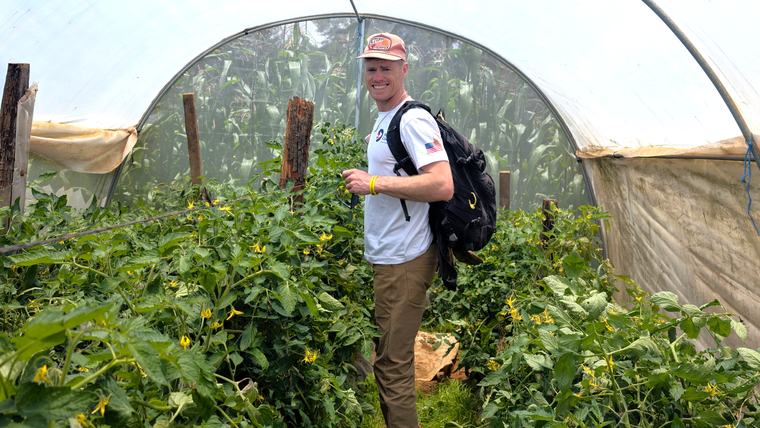
“As part of my job as the Peace Corps Volunteer Leader, I have to volunteer for a local organization, so I am using my skills as a machinist at a vocational school. They are happy that I reached out to lend a hand, and I enjoy getting my hands dirty.” Austin W. (Ghana).
What service opportunities don’t require a degree?
For many of our traditional two-year positions, a bachelor’s degree, four years of professional experience, or a combination of an associate's degree and two years' work experience are the minimum qualifications (in addition to being a U.S. citizen 18 or older).
If you prefer a short, in-person Response opportunity, consider Agriculture, Community Economic Development, Environment, and Youth in Development positions, as they focus on practical problem-solving and community engagement rather than specialized academic training.
You can also narrow your search by choosing “no degree required” in the Experience/education filter on the Browse Opportunities page.
Experience matters
Cite professional experience on your resume that demonstrates your ability to work independently, collaborate well with others, and adapt to new environments.
All candidates are most competitive when they apply to programs that align with their studies or experiences.
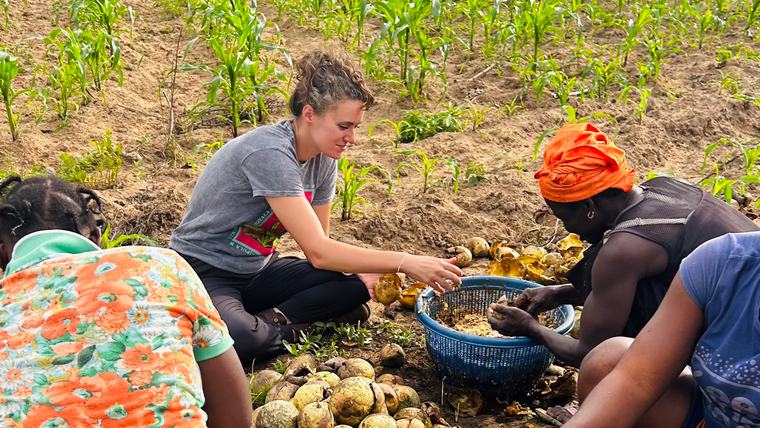
You may have more qualifying experience than you think if you’ve worked as a farmhand, solar panel installer, bank teller, childcare assistant, or home health worker. The key is to highlight the transferable skills that will help you support the partner organization’s project.
If you are thinking about Peace Corps service and have your eye on a specific program, seek out professional or volunteer experiences that will be relevant to the position. Volunteering in a local community garden or providing translations at a health clinic are just two examples of volunteer work that could help qualify you for our agriculture and health programs, respectively.
Pro tip: If you are planning to qualify based on years of experience, make sure that you clearly list job start and end dates on your resume. This will help your placement officer calculate your total years of experience.
Find the right fit
If you're passionate about service, willing to learn, and ready to contribute your skills, you can find opportunities to serve through our traditional two-year program or shorter-term Peace Corps Response and Virtual Service. Not sure which way to serve is for you? Take our 10-minute Find the Right Fit quiz to compare what you'll do, how you'll serve, the benefits, and more to help determine the right opportunity for you.
The Peace Corps encourages you to apply and showcase on your application your relevant volunteer and work experience as well as education, vocational, and technical training.
“I have an associate’s degree from Mesa Community College, which is part of the Phoenix metropolitan area in Arizona. Community college allowed me to explore interests in a variety of subjects, without having to commit to one thing right away ... I am proud to represent veterans and those without a 4-year degree, and I hope more people with a similar background decide to apply!” Riley, A. (Guatemala).
For more personalized guidance, connect with a local recruiter. Recruiters can discuss the application process and help identify what programs might be right for you.
To summarize, the Peace Corps welcomes all applicants and looks forward to your application that best showcases your relevant professional work and volunteer experience, as well as education and/or training.