An official website of the United States government




What are the best Peace Corps countries?
As an applicant, you may wonder if there is a ranking of the best places to serve. The short answer is no, there isn’t. As an agency, Peace Corps works with countries that approach us and ask for Volunteers. Every country has different needs and identifies sectors and projects that Peace Corps Volunteers can support. Plus, ranking Peace Corps countries is like ranking your favorite foods—they’re all wonderful in their own ways, right? The better answer is that most Peace Corps Volunteers think that the country they serve in is the best one. But let’s break down how they might come to this conclusion.
It’s not just the country, it’s the project
When you apply to the Peace Corps, recruiters help match your skillset and interests with a project assignment that suits you. You can choose a region or a country in which to serve, or choose to serve where you’re needed most. As you consider applying, you can look over the open positions, along with their dates of departure. This is where you might also decide which way to serve is right for you—the standard two-year Volunteer stint (with some exceptions), shorter Peace Corps Response projects for specifically-skilled applicants, or even virtual service, which allows you to donate time to a Peace Corps project from the comfort of your own home. This article will focus on in-person service.
The fact is that the work you’ll be doing and how it reflects and develops your skills will play a big role in your satisfaction at post. Check out our Volunteer profiles and filter by sector to discover how Volunteers have developed unique projects that leave a lasting impact in their communities.
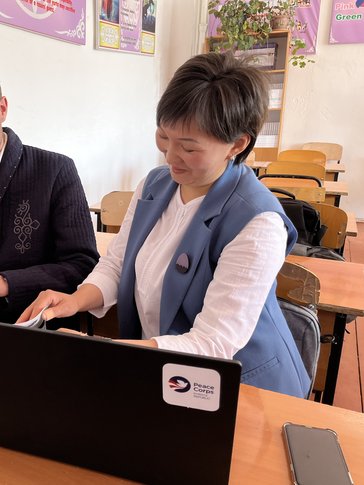
Read about John's experience teaching English in the Kyrgyz Republic.
It's not just the project, it’s the people
Once you get to your country of service, the experience begins. If you’re a two-year Volunteer, you’ll have at least two months of in-country training. Peace Corps Response Volunteers have training, too, but it’s shorter. This training, which includes language, culture, and specific job-related training, is done by in-country Peace Corps staff, many of whom are from that country. They will be your first introduction to your new home and will be your guides to your new work and your new life in your new country. They will help you navigate the landscape of foods, transportation, safety and security. They will also teach you culturally appropriate ways of connecting to the community you’ll call home after training is over and you swear-in as a Volunteer. Because of their critical role in supporting Volunteers, Peace Corps staff are key to helping you have a successful service.
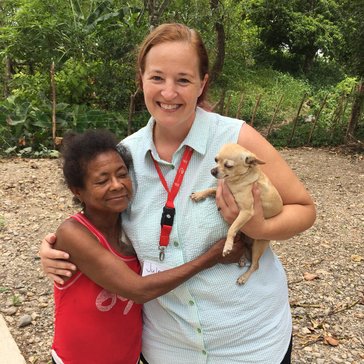
While in training, and then when you are placed at your permanent site, you will often stay with a host family. Learning from and living, eating, and playing with members of a host family, day by day, month after month, can be a deeply bonding experience that Volunteers often describe as a highlight of service. Here’s Julee's experience with her two host families in the Dominican Republic.
After settling into your permanent site you can look forward to many months of getting to know your new community, establishing relationships with neighbors and other community members, as well as collaborating with work partners. The process of sharing knowledge and cultures often leads to successful projects as well as significant friendships—both essential parts of the Peace Corps mission.
Check out the Volunteer Profiles section of our website to hear directly from Volunteers about strategies for integrating into a new community.
Every country has a lot to offer—and so do you
The upshot is that every Peace Corps country has its unique beauty and its unique benefits that you’ll discover as you develop projects and get to know the people you live and work with. But, like everything in life, it’s not all about what’s offered, it’s also about what you bring. Volunteers who come in curious, open, and ready to be flexible in the unknown are the ones who report the most satisfaction as Volunteers.
Of course, after service, you’ll feel a special connection to the other Returned Peace Corps Volunteers (RPCVs) who also served where you did, and you may secretly feel that you’re the lucky one for having had the opportunity to live and serve in your country of service. And, no matter where you served and what your project was, if you come home from service feeling that your country of service was the best? Well, you’re right!
Look here to connect with more stories about service in the countries that interest you.
Inspired to learn more about serving today? Connect with a recruiter.