An official website of the United States government


The journey back to teaching
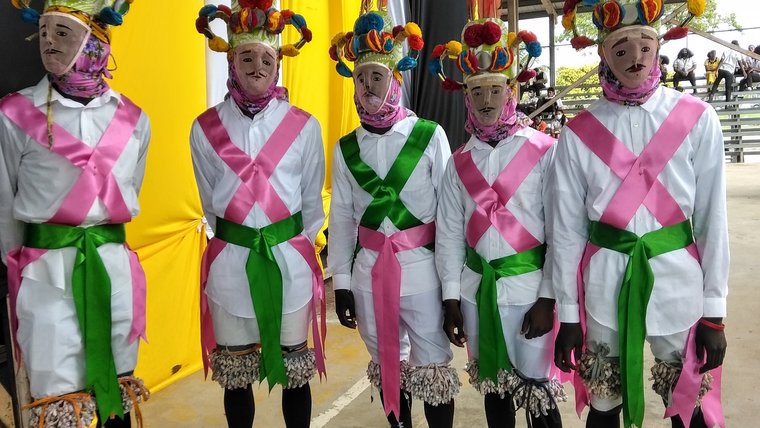
Peace Corps Response Volunteer (PCRV) Debra L., “Deb,” thought it would be another quiet night in Belize, filled only with crickets and the occasional passing car. It wasn’t until she climbed into bed that she heard the muffled beating of Garifuna drums and singing from the next yard over. The Garifuna ritual for a wake involves family and friends gathering to sing and drum late into the night, and though some might not welcome the late-night music, Deb found the percussion and voices soothing. It was drastically different from the cool, still, Minnesota nights Deb was used to, yet she found it easy to fall asleep.
When Deb retired from teaching in the States, she considered returning to elementary education as a literacy specialist, fulfilling her passion to nurture students into strong readers and writers. When she came across a Peace Corps Response position as a literacy specialist in Belize, she knew it fit the bill, but she also anticipated a learning curve.
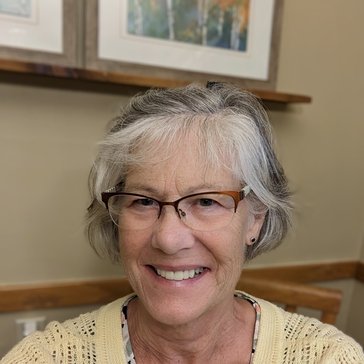
“I had been a special education teacher my whole teaching career. This included teaching small group reading, written language [sic], and math. I was always looking for best [practices] in direct instruction; my whole career involved teaching with the use of intervention. However, because I was retired, I had to bone up on the science of reading and it made me a little nervous at first,” Deb recalled.
She had no reason to worry—her experience proved invaluable in the required methodology research, which involved best practices behind literacy intervention and reading assessments. Deb felt excited to combine what she already knew about learning habits with her pre-service research and apply the Belizean cultural lens.
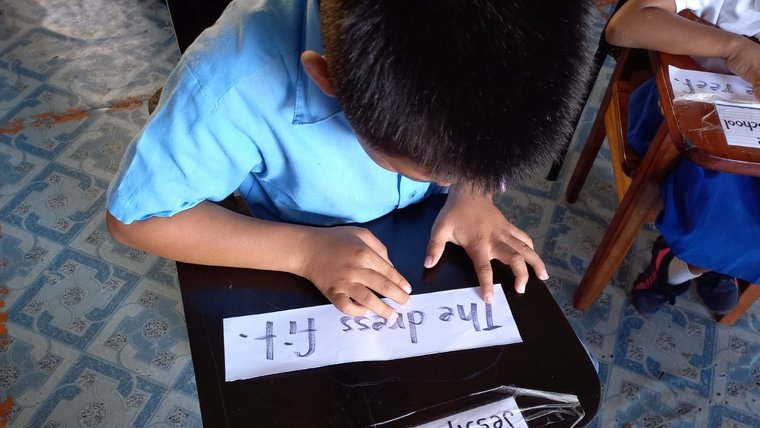
Deb and the rest of the Literacy Support Response Volunteers would train local teachers on new literacy intervention implementation strategies for second-grade students across the country’s six districts. As the weeks and months passed, Deb made genuine connections with both the teachers and the students during the literary workshops and the time spent in their classrooms. From learning the occasional Creole saying to working together on a teaching activity, Deb felt like she was integrating into the local community, which directly—and positively—impacted her daily work with the students.
The pre-reading assessments demonstrated that the pandemic impacted the students’ learning more than the teachers, principals, or Deb initially expected. The students needed more support to reach their reading goals. Deb and the school staff agreed that early literacy intervention was the most sustainable approach to boost reading and written language skills.
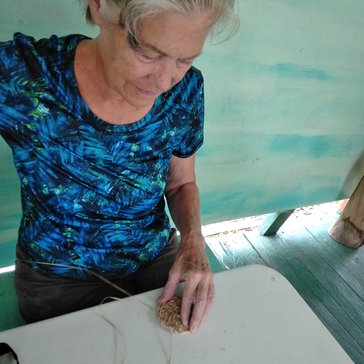
Deb worked to form trusting and supportive relationships with the Belizean teachers during her 11-month service. She felt comfortable teaching, modeling, and assisting the teachers as they integrated specific reading intervention practices into their classrooms. By building the teachers’ capacity to identify when reading interventions were needed and provide the necessary support, Deb felt confident that their collective efforts with the literacy program would continue long after her service completed.
This educational development experience abroad reinforced Deb’s passion for teaching and served as a reminder of why she entered the professional field in the first place. “I love teaching reading; I love working with kids. And [my passion for education] is still there, it’s still within who I am,” she said.
While Belize’s Garifuna drums are distant now that Deb is back home in the States, the lessons she learned, and relationships formed during her Volunteer service, beat on.