An official website of the United States government




Should I travel or join the Peace Corps?

Lots of people come to a point in their lives where they wonder about unknown places and perhaps even unexplored parts of themselves.
Maybe they’re graduating from college, maybe they’re mid-career and looking for a positive life shake-up, maybe they’re retired but not ready to settle down. Whatever the case may be, these transitional life moments may lead to a single question: Should I travel independently, or should I join the Peace Corps? Of course, traveling independently can mean a lot of different things, and most Returned Peace Corps Volunteers (RPCVs) will tell you that Peace Corps service looks different for every Volunteer, too. So, what’s the difference between traveling abroad and joining the Peace Corps?
Length of time abroad
If you’re traveling independently, you can go for as long as you want, given your budget and other commitments. Peace Corps too offers different options as far as length of service. Traditionally, Peace Corps service is two years plus three months of in-country training. Most Volunteers in the classic version of Peace Corps spend 27 months in their country of service. (There are opportunities with departure dates through 2027 that offer shorter terms in specific countries.) And for skilled professionals, Peace Corps Response (PCR) offers 6- to 12-month projects in Peace Corps countries of service.
No matter way you choose to serve, Volunteering with the Peace Corps allows you to learn another language, discover a new culture and all that comes with that—food, traditions, clothing, and ways of living—while earning a living allowance and accruing two vacation days a month. Learn more about Peace Corps benefits here.
Support while abroad
When you travel abroad for any length of time, you have to plan for emergencies. What happens if you get sick or injured? What happens if civil unrest occurs in the places you’re visiting? What happens if a family member at home has a serious illness and needs your help? The options for international health insurance and travel insurance are many—but can be pricey—and you have to make the best decisions for your own unique situation. Peace Corps, on the other hand, does all the heavy lifting for you. Volunteers receive paid airfare to and from their country of service, medical support, mental health support, accrue vacation days, are given a living allowance during their service, and receive a readjustment allowance upon completion of service. Read about more the benefits of Peace Corps service here.
Time to explore
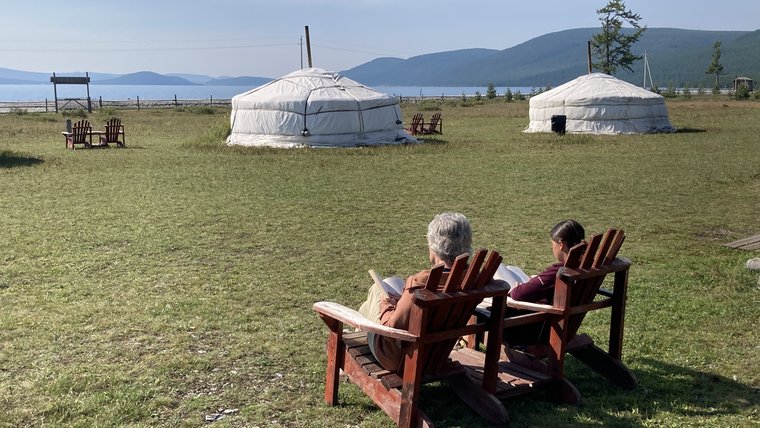
Although Peace Corps is job and a lifestyle, not a vacation, Volunteers do accrue paid vacation days (a total of 48 days over a period of 2 years). Often, Volunteers use their vacation days to travel in their region or country of service. There are rules for traveling during service. For instance, Volunteers are asked not to travel during the first six months or the last three months of service to ensure that their communities and their work are prioritized. Each country and program many also have other guidelines, but travel is often a very rewarding part of the Peace Corps experience.
Upon successful completion of service, Volunteers also receive a ticket home, or cash-in-lieu, and a readjustment allowance to ease the transition. Many Volunteers parlay this into post-service travel.
If you choose to serve in certain high-needs posts (for departures through 2027), Peace Corps is temporarily offering a variety of special benefits, including a paid trip home midway through service, an increased readjustment allowance, or a shorter service stint. Read more about these benefits and the countries that offer them here.
Clearly, Peace Corps is a job, not a vacation. But it’s a job set in a place that will challenge you, teach you a language, and show you traditions and ways of life that may be new to you. Peace Corps service is more than travel abroad; it’s a time to deeply immerse yourself in a different culture, a jumping off point for career and graduate school opportunities, and the entrée into a network of over 240,000 other Americans who served as Volunteers. So, when asking yourself whether to plan a trip or join the Peace Corps, maybe the real question is: Do you want to travel, or do you want the opportunity to start a whole new chapter of your life?
Connect with a recruiter to learn more about starting the next chapter!