An official website of the United States government


”People first”: My definition of success in the Peace Corps at age 68
I stared at the blinking cursor on my screen. “Why do I want to join the Peace Corps?” the application asked. As someone in my late 60s, I wasn’t sure I had an answer—or even if I could handle life as a Volunteer.
My “people first” philosophy
Then I thought about the way I’d raised my two boys—to put people first. I would say, “Treat everyone with kindness, empathy, and respect, and you’ll be successful at whatever you do.” That “people first” philosophy may have been what led me to study cultural anthropology in the 1970s, and it’s likely what kept the idea of the Peace Corps tucked away in the back of my mind for decades.
I would have joined right after college, but life took a different turn. I needed to earn a living, so I accepted an entry-level sales job at a local radio station. I worked hard, moved up quickly, and by 37, I was vice president and general manager of a major metro-area CBS radio station. It wasn’t easy—at the time, I was one of only two female general managers in the company, and the youngest—but I learned that by staying true to my “people first” philosophy, I could successfully navigate the challenges.
A missing piece
My radio career was demanding but rewarding. After leaving broadcasting, I became an entrepreneur and owned two small businesses, both successful. In many ways, I broke barriers, raised two amazing sons, and built a life I was proud of. But as I approached retirement, I began to feel that something was missing.
I kept asking myself, “What’s my purpose now?” I had achieved a lot, but I still felt there was something more I was meant to do.
The Peace Corps idea resurfaced—but this time with doubts. Wasn’t it for young people? Could I handle the physical demands? What about the language barrier? What if I failed? I worried I’d be the oldest one there, that I wouldn’t fit in, that I might be more of a burden than a help.
Still, I started the application, and writing the aspiration statement helped clarify why I wanted to serve. One evening, I read my draft aloud to my youngest son over dinner.
His response was immediate: “Mom, you have to do this.”
“Really?” I asked. “Do you think I can?”
“Absolutely. You have to.”
I submitted my application the next day.
While waiting to hear back, I attended an online Peace Corps recruitment event and learned that the agency actively encourages older adults to apply. Our life experience and perspective are considered assets, not limitations. I also learned that the Peace Corps takes extra steps to support older Volunteers, including placing us in areas with good access to medical care and closely monitoring our health and safety.
Discovering a love for teaching
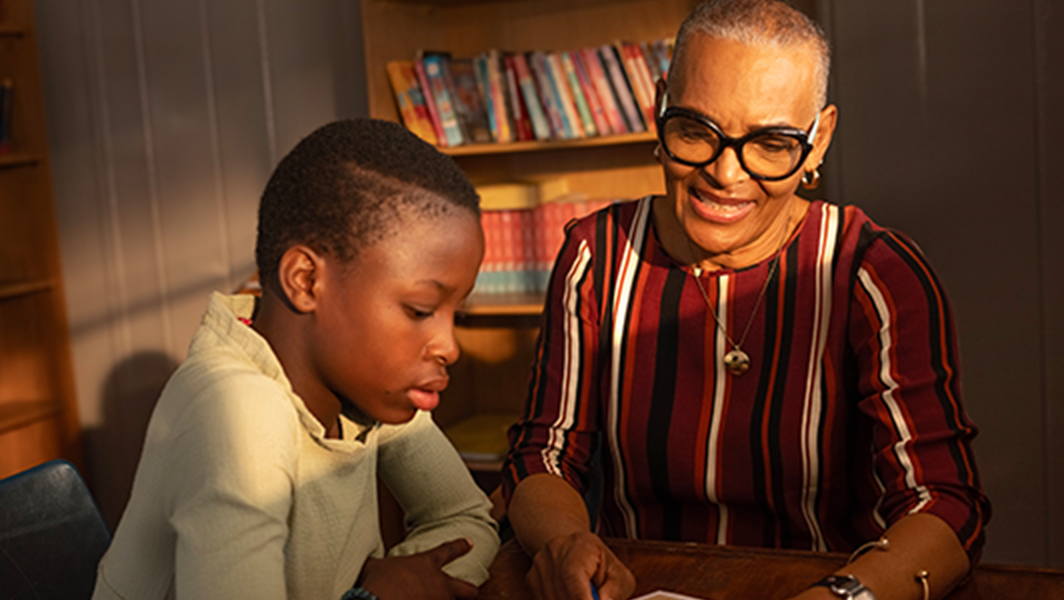
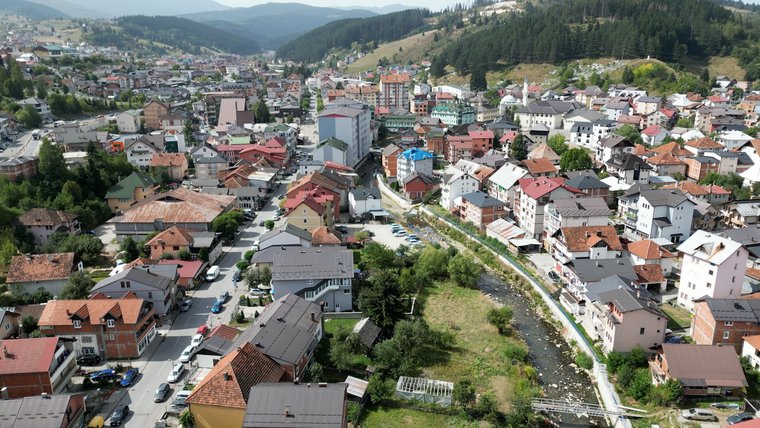
Today, I teach English to high school students in a rural mountain town in Montenegro. It has been a deeply rewarding experience. I’ve discovered a love for teaching—and found a new sense of purpose.
It’s humbling. Here, I’m simply me. It’s not about the job I had, where I lived, or the college I went to. People appreciate me for who I am, even when I’m not sure I’m contributing enough.
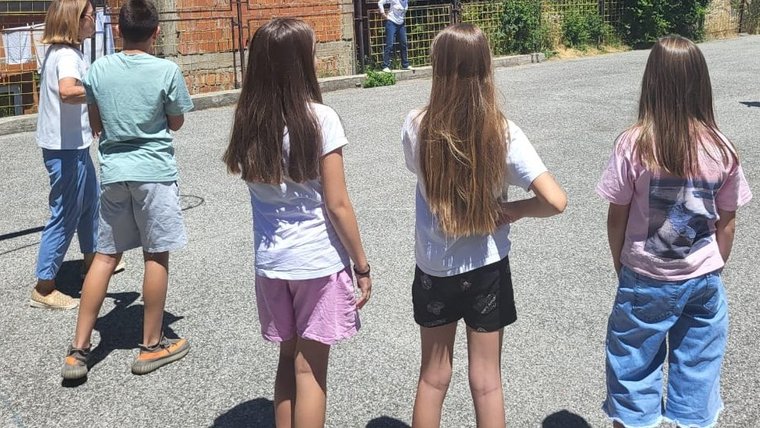
But I’ve learned that I am contributing. During my first six months, I helped expand the school’s thespian club, co-organized an arts fair, and built strong relationships with both students and colleagues. I also ran a summer English club for primary and secondary students, where we practiced language skills and shared cultural ideas. And of course, I work in the classroom every day, supporting six teachers across four grade levels.
Relationships come first
And yet, I don’t measure success by accomplishments. It’s about relationships—the connections with my fellow teachers, my host family, and other Volunteers. That’s what matters most.
During training, we were told, “If you start with relationships, the rest will come.” For me, that is an extension of my long-held “people first” philosophy and has become my definition of success.
I feel healthier now—physically and mentally—than I have in years. The sense of camaraderie is something I have never experienced before to this degree.
One of my teaching colleagues recently told me, “I feel so fortunate to have you in my classes. You are such a great addition, and I enjoy being with you.” And my host mother has become like family. She often says, “You are my sister—now and forever.”