An official website of the United States government



Mongolia sees value in virtual collaborations
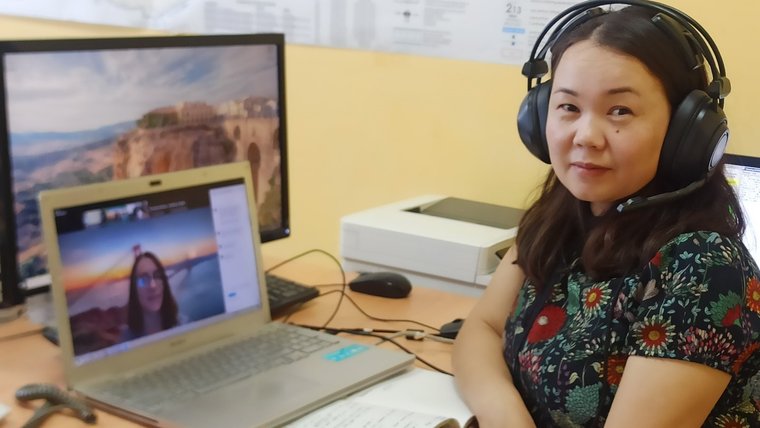
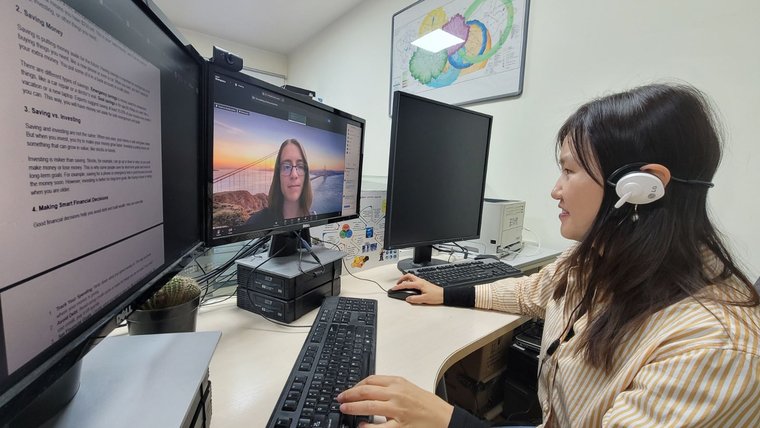
Interest in virtual, intercultural collaboration is growing among Peace Corps Mongolia's partner organizations. Since 2023, in addition to their in-person work, some Peace Corps Mongolia Volunteers have collaborated with partners to complete capacity-strengthening projects online. This enables organizations that are too remote to host a Volunteer to still benefit from collaboration with the Peace Corps while also expanding the Volunteers’ connections and knowledge of the country. Interest is so high and diverse that it has outpaced the volume and experience that the 44 current Volunteers can accommodate.
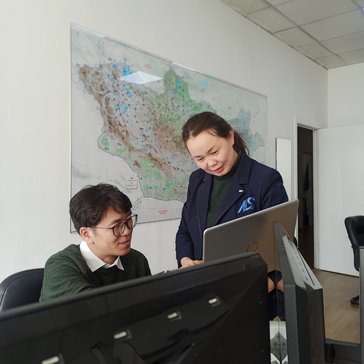
To meet the increasing number and complexity of partner projects, Peace Corps Mongolia decided to submit the partner requests for virtual collaboration through the agency’s third way to serve: the Virtual Service Pilot (VSP). VSP is especially useful in supporting partner projects that require more specialized skills or fall outside of Peace Corps Mongolia’s typical education sector.
“If the project and activities require someone with more experience or [an advanced] academic background in a specific field than the Volunteers we have in country, then we recommend VSP,” explained Ariunaa, who coordinates Peace Corps Mongolia's online collaborations.
Likewise, virtual service is a new way that U.S. citizens, who have special skills but may not be able to serve in person, can collaborate with Peace Corps partners. We asked a few of the recent Participants to share their experience.
Co-teaching conversational English with aviation staff
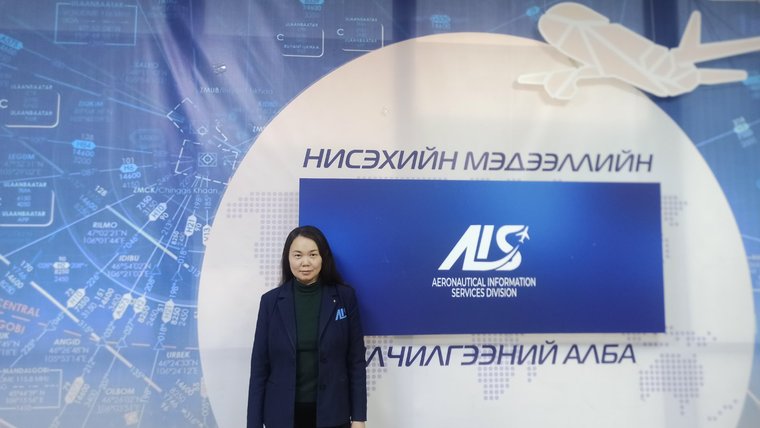
With direct flights between the United States and Mongolia now offered, the National Civil Aviation Center of Mongolia’s Aviation Training Center was interested in partnering with the Peace Corps for the first time to enhance their English language training. The training center was excited to provide their engineers and administrative staff members an opportunity to practice conversations with a native English speaker for 14 weeks.
Amanda G., a Virtual Service Pilot Participant (VSPP) who served as a Volunteer in Mongolia from 2015 to 2017, collaborated with one of the center’s instructors to develop a curriculum on general conversational English training and facilitate weekly discussions.
One of the aviation staff members involved shared, “I find the English conversation class with my colleagues to be an amazing experience. It is not just about practicing English; it’s a space where we share personal stories, knowledge, challenges, and push ourselves beyond our comfort zones. This experience will help me communicate more fluently and confidently with English speakers.”
Enhancing an NGO guidebook with the United Nations Association
There are over 20,000 registered NGOs in Mongolia, but less than half are active due to a lack of capacity, financial opportunities, and support. The United Nations Association (UNA) Mongolia sought to change that by expanding its existing guidebook to include chapters on topics such as monitoring and evaluation, financial management, grants management, social entrepreneurship, and advocacy for social impact.
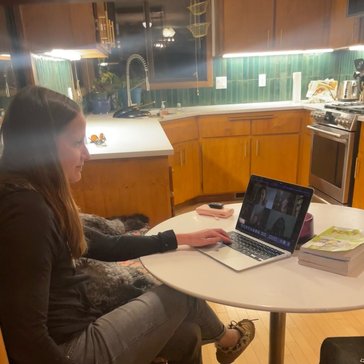
“By developing a comprehensive, ready-to-use guidebook on organizational strategy and management, we aim to provide a sustainable resource for all NGOs to improve their activities according to global best practices. We hope to hold several in-person and virtual workshops to disseminate the learnings,” shared UNA’s secretary general and VSP counterpart, Khishigjargal.
The VSPP involved, Nicora G., shared that even as a Returned Volunteer (Mongolia 2004-2006), virtual engagement allowed her to learn more about the local culture. “It has been interesting to learn about the growth and changes in Mongolia over the past 18 years since I lived there as a Peace Corps Volunteer. It was especially fun to see how the Naadam festival is celebrated in the capital, since I only experienced it in more rural settings. I was very intrigued to see the costume parade and to see the beautiful improvements to Sukhbaatar Square."
Supporting internship programming and mentoring young professionals
A youth-focused NGO in Mongolia viewed VSP as an opportunity to complement the efforts of in-person, generalist Volunteers with a remote, seasoned professional.
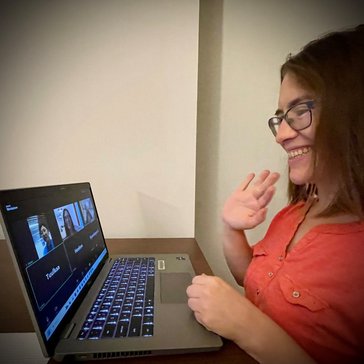
Jennifer M., who has over 15 years of related experience, quickly signed up to support the NGO for 25 weeks. Jennifer shared youth-empowerment resources and engaging workshop approaches, which her counterpart incorporated into their trainings for on-the-ground Volunteers and NGO trainers.
The CEO and founder of the NGO said, “The insights I have heard from youth participants are incredible. Participants have attended workshops [on] work-life balance and various soft skills, including stress management and self-observation. I have no doubt that these [lessons] will be important for these individuals in their personal ambitions and more.”
What does the future hold for Peace Corps Mongolia’s Virtual Service? Ariunaa shared that VSP may become a way for in-person Volunteers to extend their service with eligible partners.
Ariunaa also shared that partners are excited for more online support early next year. “We received requests for virtual collaboration in a variety of sectors, such as environment, climate adaptation, waste management, digital management system development, and social [work]. This shows that [we are] expanding our collaboration in variety of sectors through VSP,” she said.
Interested in getting involved? Check out the available engagements in Mongolia or subscribe to be the first to know when these VSP projects become available.