An official website of the United States government




How can I strengthen my language skills before service?
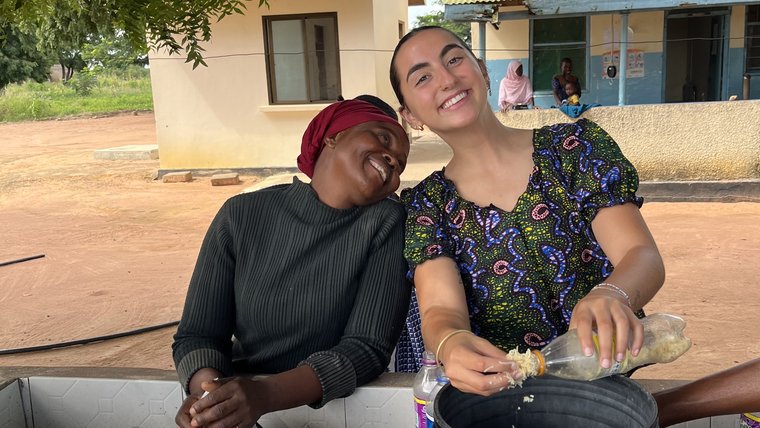
Peace Corps service means immersing yourself in a new language and culture.
Learning and using the local language plays an important role in helping you integrate. While online courses and apps can be helpful, engaging with your local community puts a fun yet practical twist on language learning.
Here are five ways you can gain foundational language skills or advance your proficiency before you depart for service.
1. Connect at language meetups, conversation groups, or with Returned Volunteers
Some communities host language exchange meetups where people practice speaking in different languages. These groups provide a relaxed environment to build confidence, learn colloquial phrases, and make new friends who share your interest in language learning. If you currently live on a college campus, you could connect with international students or faculty who may welcome the opportunity to share their language. Returned Peace Corps Volunteers (RPCVs) are always eager to support their fellow RPCVs as well as individuals interested in serving. You can connect with an RPCV group that is either local to where you live or with an RPCV group based on the country of service.
2. Volunteer with community organizations
Look for local nonprofits or cultural centers that serve international communities. Volunteering gives you real-world practice and helps you understand cultural nuances while making a positive impact locally.
3. Attend cultural events and festivals
Participating in cultural events—such as food festivals, music performances, or holiday celebrations—offers exposure to authentic language use. Try engaging with vendors or attendees in the target language to practice conversational skills.
4. Consider private tutoring
Find someone in your area who speaks the language you’re learning and set up regular practice sessions. This could be through a formal language exchange program geared to adult learners or through a one-on-one arrangement.
5. Explore local media in target language
Check out radio stations, newspapers, music, or social media groups that publish content in the language you’re learning. Listening and reading regularly will improve comprehension and introduce you to cultural references you might encounter during service.
Consistency is key. Even small daily interactions in your local community can build confidence and fluency before you start your Peace Corps service assignment.
Read how acquired language skills help Volunteers like Betsy S. integrate into the community and accomplish a shared goal.