An official website of the United States government



Can I be a vegan or vegetarian in the Peace Corps?
Peace Corps service means living and eating within a host community, often in rural or resource-limited settings.
Food availability varies widely by country and even by town. Some countries have abundant plant-based options while other parts of the world may have a diet that consists primarily of grains or meat.
Maintaining a fully plant-based diet may not be possible in some communities, while in others it is achievable with planning and communication.
Tips if you are vegan or vegetarian
1. Consider your flexibility
Are you willing to adjust your diet? This is important to consider before the interview.
You should note host families are not obligated to accommodate dietary preferences outside of medical necessity. Alternative diet options can be challenging and costly for the host families you live with during training and your service. Additionally, if you are open to adapting to the local cuisine, you’ll likely discover more opportunities to bond with locals over a shared meal.
Some Volunteers choose to temporarily include meat in their diet, particularly during training or early in their service, until they better understand local food options and can make arrangements that align with their preferences.
Others find that they adapt to a more meat-inclusive diet during service and return to a vegetarian or vegan diet after they come home.
2. Talk with your Peace Corps placement team early
Prior to your interview, review the living conditions in your country of service. You can find helpful information about the local diet and types of fresh produce that may or may not be available to you. For example, you will likely find tomatoes, okra and tropical fruits in Ghana, while the traditional diet in Mongolia relies heavily on meat and dairy. During the interview, you can ask any lingering questions to your placement officer, who can provide additional insight into dietary realities and help you understand how to navigate them.
3. Communicate with your host family
Once in-country, clear, respectful conversations with your host family help set expectations. Many families are eager to support Volunteers’ dietary needs—they may just need help understanding what you do and don’t eat. Peace Corps staff can help you learn how to gracefully decline food items like meat that are core parts of many diets.
4. Embrace local foods
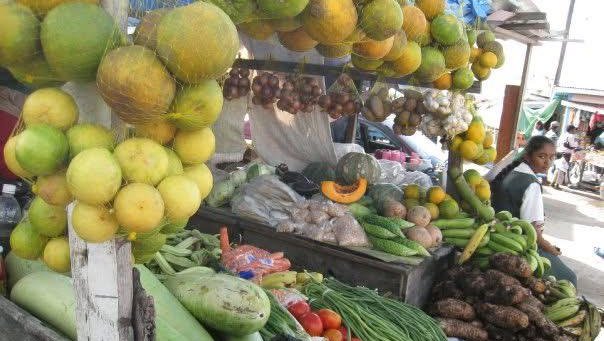
Most countries where Volunteers serve offer naturally plant-forward staples: rice, beans, fresh produce, lentils, root vegetables, and seasonal fruits. You may also discover new favorites unique to your region.
“As a lifelong vegetarian, I was delighted by how easy it was to adapt to Guyanese cuisine. A flavorful spread of seven curried vegetables, traditionally served with roti and shared during family gatherings and festive celebrations, quickly became my favorite,” shared Kristina B.
5. Get creative with what’s available
You might not find familiar staples like tofu or plant-based milks, but Volunteers learn to adapt using local ingredients, basic spices, and simple cooking methods. Flexibility helps you stay nourished and enjoy the experience.
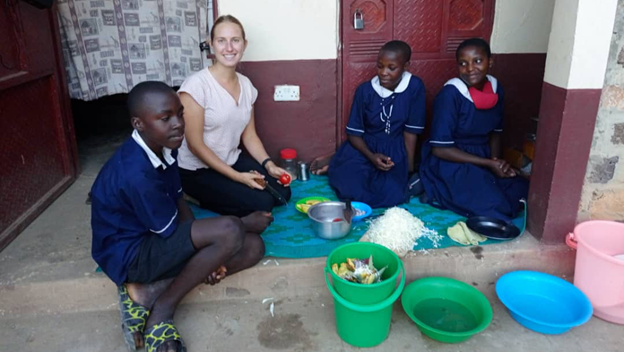
Many Volunteers share that cooking or dining with neighbors is a great way to explore new recipes and strengthen relationships.
“Namutebi Eleanor [my counterpart’s daughter], age 10, walked into the kitchen with confidence and whipped together dishes I’d never even considered. One of her first creations was a homemade “Rolex” stuffed with avocado cabbage salad— which sounds somewhat obvious, but the presentation of the dish made it such an elevated take on the classic Ugandan snack,” said Eleanor W.
6. Supplement when needed
Some Volunteers pack preferred vitamins or supplements in their bag. Country staff and medical officers can also help you think through safe, long-term nutrition strategies.
Volunteers, past and present, successfully navigate diet restrictions with patience and resourcefulness. Is it possible to serve as a Peace Corps Volunteer and maintain a vegetarian or vegan diet? In many cases, the answer is yes, but it requires flexibility, communication, and a willingness to adapt to local conditions. In doing so, you’ll gain a deeper appreciation for global cuisine.