An official website of the United States government


A journey of service and discovery
The journey that would shape my life began in high school with a trip to Mexico. It was my first real experience stepping into another culture, and I was captivated.
The people, the traditions, and the newness of it all was exhilarating. That spark of curiosity and adventure stayed with me as I moved into my college years, where an immunology professor, a Returned Peace Corps Volunteer (RPCV), introduced me to a new possibility. His stories—of challenges, of resilience, of impact—fascinated me. The more he shared, the more I realized that the Peace Corps could be the perfect bridge between my love for travel, learning, and my desire to make a difference.
At the time, I planned to study pharmacy. The Peace Corps was a chance to do something meaningful, while also giving myself time to expand my life experiences and prepare for grad school.
The unexpected assignment
When I applied to the Peace Corps my only request was to be placed somewhere I could learn French. Initially, I was assigned to Côte d'Ivoire, but due to political instability and civil conflict, I was sent to Guyana instead—a country I hadn’t considered, but one that would change my life forever.
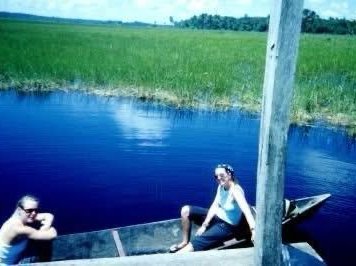
I arrived in Guyana with a mixture of awe and curiosity. The people were warm and welcoming, eager to share their culture and traditions. My site was deep in the rainforest, amidst lush foliage and winding waterways, and far from the capital of Georgetown. I had grown up on a river, where canoeing was a beloved pastime. When I discovered that the only way to reach my clinic was by canoe, I knew it was the perfect fit. The surroundings and peaceful isolation felt like home in a way I never expected.
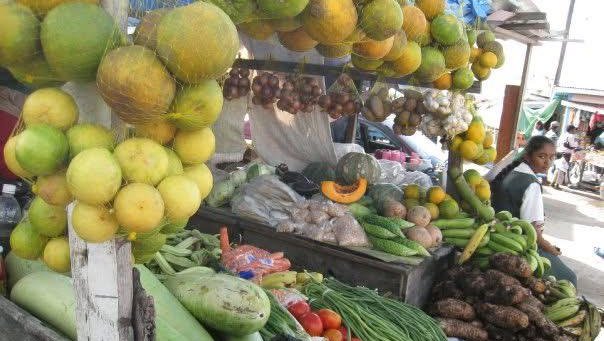
Then there was the food. As a lifelong vegetarian, I was delighted by how easy it was to adapt to Guyanese cuisine. A flavorful spread of seven curried vegetables, traditionally served with roti and shared during family gatherings and festive celebrations, quickly became my favorite. I loved how each dish reflected the country's rich cultural diversity. I spent many afternoons sitting on back steps, swaying in hammocks, or at dining tables in the village, sharing meals with friends from my community. My Peace Corps group even compiled our host families’ best recipes into a cookbook—one I use to this day. Those meals weren’t just food; they were flavors tied to memories of laughter and connection.
My site was remote, with the nearest Volunteer several hours upriver. That distance deepened my ties to my new home. I wasn’t just a visitor—I became a part of community life. The friendships I built there were incredibly special. Saturday mornings were spent down at the stelling, washing clothes, bathing, and playing around in the river. It was always busy and full of life, with people coming and going, the sounds of splashing water and chatter all around. As soon as we were done, my dear friend Maxine and I would head out for our next adventure. We’d paddle down every creek we could find, exploring the waterways and hiking to nearby villages. Along the way, we’d collect local fruits like cashews, mangoes, awara, pear (avocado) and cherries. Our days were filled with so much laughter and fun.
Several afternoons, I sat in the community craft center with the village elders, sharing food, laughing, and learning the traditional crafts that had been passed down through generations. We made local hammocks—one of which I still use today—coasters, trivets, fans, and more, each piece carrying not just skill but stories of the past. As I worked alongside them, I felt the deep bond of a community that welcomed me in as one of their own.
Even after I returned, the strong bonds and warm friendships remained. Even now, decades later, I hold those memories close.
The road back to the Peace Corps
After returning home, I applied to graduate schools and worked as an HIV/AIDS counselor in Colorado. Although I was on a path toward pharmacy school, I stayed in touch with my Peace Corps country director, who had become a mentor and close friend. Nine months later, he reached out with an unexpected opportunity. A small NGO run by a friend in the Republic of Congo help managing a food assistance program, and he thought I’d be a good fit. It was a leap, but something about the challenge—and the chance to continue working in international development—called to me. I made the decision to go, and just like that, found myself managing a food assistance program in the Republic of Congo. Instead of pharmacy school, I found myself deeply embedded in international development, a field that took me across more than 20 countries and ultimately defined my career.
After more than 15 years with one organization, I found myself searching for a new challenge, something that aligned with my core values. I submitted an application to the Peace Corps because I believe in the mission deeply, and the way it shapes both Volunteers and the communities it serves.
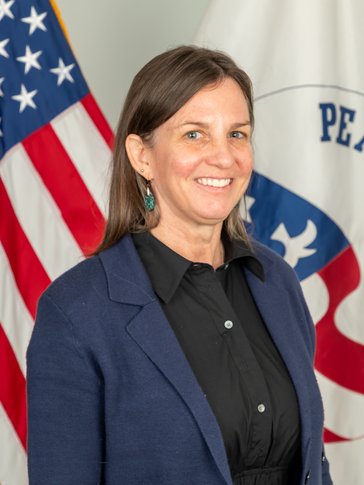
Now, as the director of management and operations for the Peace Corps in Belize, my role is to ensure that the systems and infrastructure are in place to support Volunteers and their work. I see this as a chance to share my experiences, to mentor, and to help create an environment where others can have the kind of transformative experience that shaped my own journey.
Lasting impact of the Peace Corps
The Peace Corps isn't just about service; it’s about connection, cultural exchange, and personal growth. My time as a Volunteer didn’t just impact the communities I served—it shaped my worldview, my career, and my deep commitment to working alongside people from all walks of life. Whether you’re looking for an immersive journey, a way to give back, or simply a new perspective, it’s an experience that will change you in ways you can’t predict, but that will always carry with you.