 An official website of the United States government




Featured Participant Profile
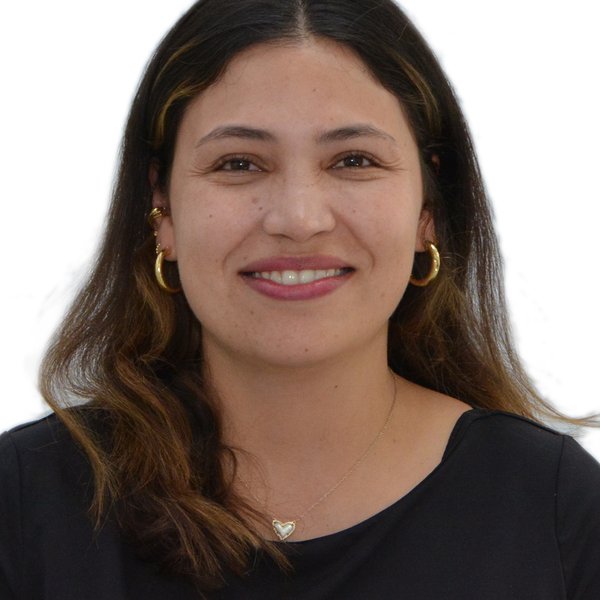
Vanessa S.
“Overall, this experience has deepened my professional skills, broadened my perspective, and strengthened my resolve to contribute meaningfully to global development and community building.”
1. What got you interested in the Peace Corps, specifically the Virtual Service Pilot?
The Peace Corps mission to promote intercultural understanding and community-driven development. Having previously served as a Health Extension Volunteer in Albania (2023-2024) and now as a Virtual Service Pilot Participant with Colombia, I’ve experienced directly how empowering it is to work alongside communities to address their unique needs.
The Virtual Service Pilot (VSP) specifically attracted me, because of its innovative approach to fostering collaboration and impact despite geographical barriers. It offers an opportunity to leverage technology to connect with and support communities in meaningful ways. Additionally, I saw VSP as a way to continue contributing to global service while expanding my personal and professional growth, all within a format that challenges traditional boundaries of volunteering.
2. What projects are you working on?
In my role as a Virtual Service Pilot Participant (VSPP), I am working on promoting health education and supporting local communities in Colombia. In collaboration with my counterpart, I am developing educational materials for students, parents, and teachers on topics related to menstrual health. This includes brochures for students in grades 1-9 that cover topics like menstrual changes and emotional well-being. We are also developing resources for parents and teachers that provide guidance on fostering open and supportive conversations on menstrual health and how to address common misconceptions. Together, we are designing age-appropriate, interactive activities that engage students as they learn about health in a culturally relevant and inclusive way.
I’ve worked closely with local educators to ensure the materials developed are tailored to their needs and can be used effectively in their classrooms. This collaboration ensures that the resources are practical and consider the community’s context. In addition to education, I’m creating tools that empower teachers and parents to continue these discussions long-term, emphasizing sustainability.
3. What is a highlight of your VSP experience so far?
A highlight of my Virtual Service experience so far has been collaborating on educational materials to address menstrual and health education in Colombia. Working closely with local partners, I developed brochures and activities tailored to students, parents, and teachers, ensuring they were culturally appropriate and engaging. This experience reaffirmed the power of education to break down taboos and create opportunities for dialogue, even in a virtual setting. In more traditional or rural areas, menstruation can be linked to notions of purity, leading to restrictions on interacting with others or participating in religious or social activities. Another common taboo is the belief that once a girl gets her period, she is "ready" to get married, which can lead to early marriage or societal pressure to transition into roles typically associated with adulthood.
Growing up in Colombia, I learned about menstruation differently from what many students experience today. It was only talked about within the family, specifically among the women. It felt very private, almost like a secret, and it wasn’t a topic discussed openly at school or with boys. I remember feeling a mix of curiosity and embarrassment, because there wasn’t much guidance outside of those family conversations, and it seemed like something we just had to figure out on our own. Today, I see a noticeable shift, and it’s encouraging to know that teachers and the government are putting more effort into addressing this topic in schools. There’s more emphasis on making sure students understand menstruation as a natural, healthy part of life, rather than something to be ashamed of.
4. What strategies have you used to meet the challenges of a short-term, remote experience?
To navigate the challenges of a short-term, remote service, I’ve prioritized setting clear expectations with my local partners early on by scheduling regular check-ins and maintaining open lines of communication through email and a messaging app. I share drafts of materials or ideas with the local teachers and community leaders, integrating their input to ensure our work is relevant and impactful.
5. What benefits are you gaining from your participation?
Participating in the Virtual Service Pilot has provided me with invaluable personal and professional benefits. Through this experience, I’ve gained an appreciation for Colombian culture and its unique challenges and strengths. Collaborating with local partners has sharpened my ability to approach projects with cultural sensitivity and adaptability. Creating materials on topics like menstrual health has allowed me to refine my skills in educational content development and health promotion.
The short-term nature of the engagement has pushed me to think critically and act decisively, addressing challenges with creativity and efficiency. I feel like I am contributing to meaningful work that directly impacts the communities and that is deeply rewarding. Overall, the VSP has been an enriching experience that aligns with my passion for education, community development, and intercultural collaboration.
6. How has your previous Peace Corps and professional experience influenced your VSP experience?
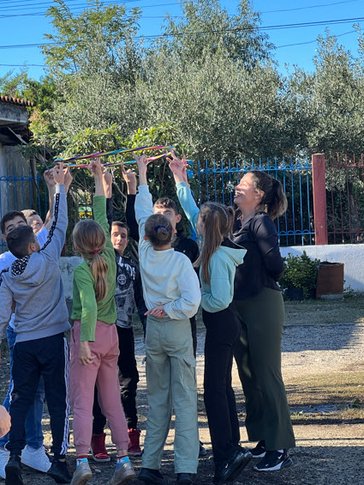
During my previous service as a Health Extension Volunteer, I gained experience collaborating with local communities to design and deliver health education programs. This taught me the importance of cultural sensitivity, adaptability, and building trust. My experience leading Girls Leading Our World (GLOW) camps at my site in Albania taught me the importance of delivering engaging, empowering educational materials to help diverse audiences. My background as a Spanish teacher and recruiting coordinator have also helped me develop strong communication, organization, and content development skills. I’ve used these skills in VSP to create culturally relevant resources and manage multiple deliverables within tight timelines.
7. What will you bring away from your VSP engagement?
The challenges of a remote, short-term service have reinforced the importance of flexibility and creative problem-solving. This experience has strengthened my ability to collaborate virtually, use digital tools effectively, and maintain clear and consistent communication across cultural and geographical boundaries. VSP has reminded me of the importance of sustainability in development work. By creating educational materials that communities can use long term, I can anticipate the lasting impact that these resources will have beyond my direct involvement. It's a reminder of why I’m passionate about education, health promotion, and empowering others to achieve their goals. Overall, this experience has deepened my professional skills, broadened my perspective, and strengthened my resolve to contribute meaningfully to global development and community building.
My experience with the Virtual Service Pilot (VSP) in Colombia was instrumental in inspiring me to serve in person again as a Response Volunteer. It allowed me to reconnect with the Peace Corps mission, build meaningful relationships, and engage deeply with community projects. I'm thrilled to take this next step to serve as a Teaching Assistant Program Coordinator in South Africa as part of the Peace Corps Response program this coming May.



