 An official website of the United States government




Featured Volunteer Profile
Sophia H.
“A very meaningful moment was when my family visited from the U.S. They were welcomed with the same level of hospitality I’ve experienced, including cultural ceremonies, traditional dances, welcome gifts, and home-cooked meals delivered to our door.”
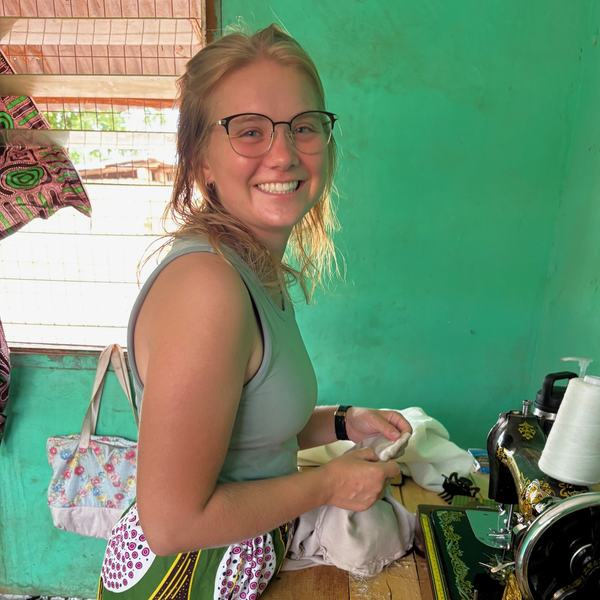
1. What got you interested in the Peace Corps?
During my final year of university, I began exploring opportunities to volunteer outside the United States as a way to take a meaningful break from academics while gaining practical experience. One of my professors played a significant role in shaping my interest; her research was inspired by an issue she encountered while serving in the Peace Corps. Hearing about her experiences and the impact of her service sparked my enthusiasm for international volunteer work and the opportunity to contribute abroad. I ultimately applied for a teaching position in the country with the earliest departure date.
While completing my degree, I also had the opportunity to participate in multiple mission trips to Central America, where I witnessed firsthand the substantial need for humanitarian support in many communities. These experiences strengthened my commitment to service and deepened my interest in long-term, community-focused work. Serving in the Peace Corps offers the unique opportunity to live alongside the people I am supporting, build meaningful relationships, and contribute to sustainable change within the community over an extended period.
2. What projects are you working on?
My primary project involves working alongside teachers at the school where I am posted. I collaborate with them to tailor lesson plans that better align with students’ current learning levels and abilities. I also assist in teaching mathematics and English classes, helping to reduce the workload of the existing teachers and support more effective instruction.
In addition, I am collaborating with my counterpart headmaster, community leaders, and local education partners to facilitate the construction of a standard three-room junior high school building. This project is funded through a Peace Corps grant, along with labor contributions from community members. Shortly after my service began, the community expressed a strong desire to build a proper school facility for their children. The goal of this project is to provide a safe, well-ventilated learning environment that supports students’ educational growth and long-term success.
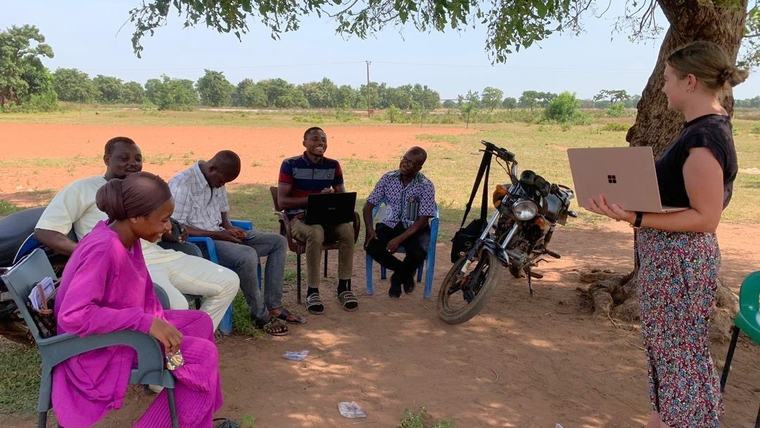
3. What strategies have you used to integrate into your community?
One of the most effective strategies I have used to integrate into my community has been maintaining curiosity and actively participating in daily life. By spending time with community members—such as sitting with women while they prepare meals or accompanying them to the farm during harvesting season—I have been able to build meaningful relationships and demonstrate my genuine interest in their lives. These shared experiences have helped foster trust and a stronger sense of connection. Additionally, making an effort to learn as much of the local language as possible has been instrumental in improving communication and deepening my integration into the community.
Another important strategy has been accepting invitations to community events whenever possible. Attending occasions such as baby naming ceremonies, funerals, festivals, weddings, and other cultural gatherings demonstrates respect for local traditions and a willingness to engage in community life. Showing up consistently, even when situations may feel unfamiliar or uncomfortable, communicates commitment and has helped strengthen my relationships in the community.
4. What is a highlight of your time in service so far?
One highlight of my service has been creating an English learning group for women in the community. Many of the participants did not have the opportunity to complete their formal education and are eager to learn English from a native speaker. Together, we worked to identify meeting times that accommodate their busy schedules, as many balance responsibilities such as cooking, farming, and selling goods at the market.
We initially held sessions in an unoccupied classroom but later transitioned to meeting in homes or under trees near their houses to make participation more convenient and accessible. It has been incredibly fulfilling to see their enthusiasm for learning basic English words and phrases, which they often practice with their school-aged children. Watching their confidence grow and seeing the impact extend to their families has made this experience especially meaningful.
5. What have you enjoyed most about the community where you are serving?
What I have enjoyed most is the consistent warmth and hospitality shown to me throughout my service. Community members have been very welcoming from the beginning, and I have especially appreciated the opportunity to learn from them in everyday settings. Some of the women have taken time to teach me how to prepare local dishes, and I am often sent home with generous portions to enjoy later, which reflects their kindness and generosity.
A very meaningful moment was when my family visited from the U.S. They were welcomed with the same level of hospitality I’ve experienced, including cultural ceremonies, traditional dances, welcome gifts, and home-cooked meals delivered to our door. Experiencing this generosity alongside my family reinforced how deeply welcoming and community-oriented the Dagomba culture is.
6. What are some of the most important things you’ve learned from your community?
One of the most important lessons I have learned from my community is the value of being present and slowing down. I have come to understand that not everything needs to be approached with urgency, and that taking time to engage meaningfully with daily life and relationships is essential.
I have also learned the importance of mutual support and collective effort. The community consistently comes together to work on projects and assist one another when needed. There is a strong sense of reciprocity—if I spend the day helping someone, I can trust that they will be there to support me when I need help in the future. This approach to collaboration and care has deeply influenced the way I view community and service
7. How do you spend time when not working on a project?
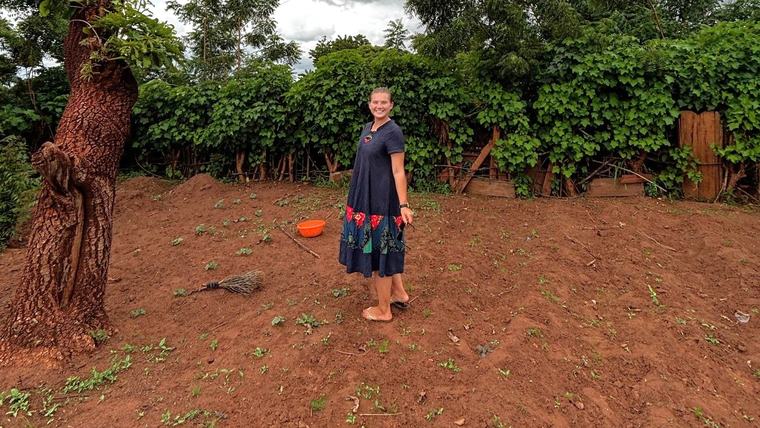
When I am not working on a project, I usually spend my free time tending to my garden. I focus on nursing seeds during the off season so they are ready for transplanting when the time comes. This has also given me the opportunity to share different planting techniques with members of the community and demonstrate how growing from seed can increase the variety of vegetables and herbs available.
I also spend a good amount of time relaxing in my hammock, which has been especially helpful in managing the hot weather. Being outdoors with a steady breeze has been a simple but important way for me to rest and recharge.
8. What are you looking forward to in your remaining time as a Volunteer?
For the remainder of my time in country, I am excited to continue developing my skills in Ghanaian cooking and to learn how to recreate these dishes upon returning to the United States. I am also looking forward to completing the grant project currently underway. Seeing the school construction finished and the building furnished for the upcoming academic year will be rewarding in itself.
Moving forward, I will continue working closely with community members and school leadership to ensure that future students are able to fully utilize the space we are creating and benefit from an improved and supportive learning environment.
9. What will you do differently when you return to the U.S.?
Once I complete my Peace Corps service, I plan to return to school to pursue a master’s degree in teaching. My experience teaching during my service has been incredibly rewarding and has strengthened my interest in continuing to work in education in the United States.
I also hope to carry forward with the slower, lower-stress lifestyle I have experienced during my time in service. Additionally, I look forward to sharing the stories and experiences I have gained with those around me, as they have had a meaningful impact on my perspective and personal growth.
Learn more about serving as a Peace Corps Volunteer in Ghana.



