 An official website of the United States government


Featured Volunteer Profile
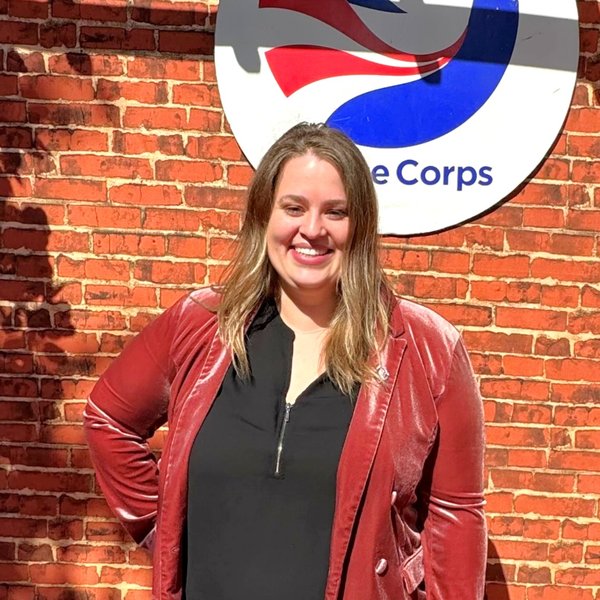
Scarlett R.
“When I first began teaching, I felt overwhelmed and unsure, but through trial and error, I've developed a deep respect for educators and discovered a genuine passion for working with youth eager to learn beyond the classroom.”
1. What got you interested in the Peace Corps?
Since high school, I've been inspired by Peace Corps representatives who spoke about the transformative experience of living abroad and immersing oneself in a new culture. This idea of leaving behind the familiar to broaden my horizons and learn from others resonated deeply with me. Throughout my life, I've consistently engaged in volunteer work, believing it to be a priceless endeavor that keeps me grounded and offers a better perspective on life. Offering my time and skills without expectation has been a cornerstone of my personal and professional growth. Now, over a decade later, I am fulfilling my long-held aspiration of serving with the Peace Corps—a goal that has become an integral part of my life's mission.
2. What projects are you working on?
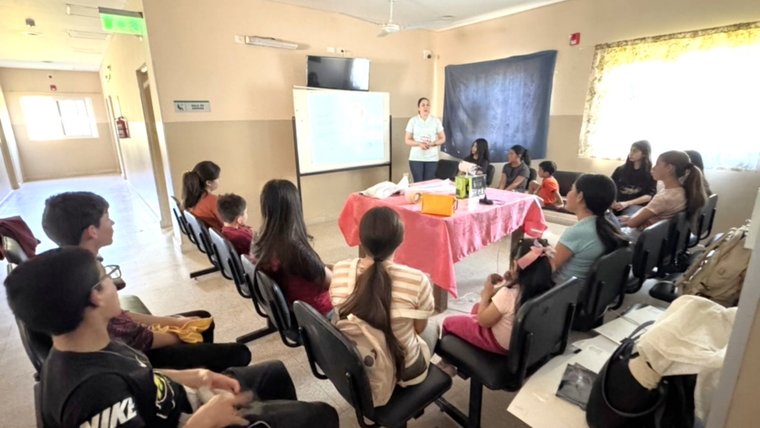
My location in an urban area allows access to a wide range of resources and collaborative opportunities with professionals and neighboring volunteers. I lead monthly health‑based programs in schools with the help of my counterparts and at the local health post where I volunteer, engaging both morning and afternoon school groups. Topics include mental health, healthy relationships, bullying, stress management, and hygiene—delivered through interactive methods like games, competitions, worksheets, and themed workshops.
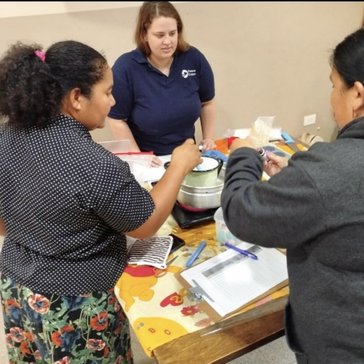
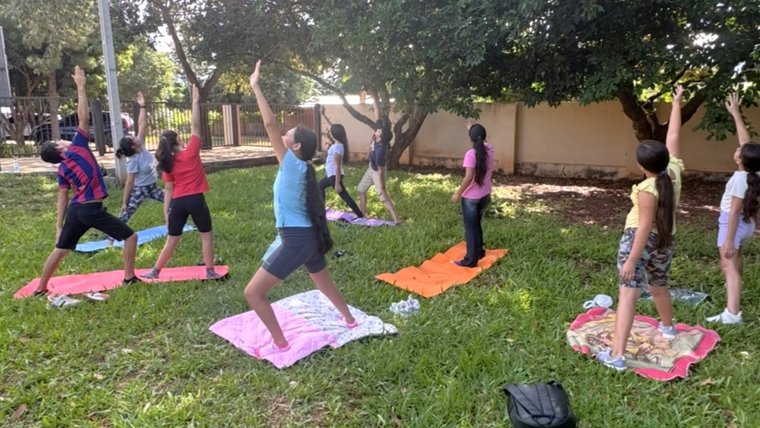
For adults, I organized a stress‑management session featuring a local physician leading breathing exercises and discussing the long‑term health consequences of chronic stress. Workshops have included soap‑making and coffee education, covering topics such as health benefits, cultivation, and sales. I organize educational summer and winter camps in collaboration with community volunteers and health professionals—including a dentist—to teach children practical skills and wellness knowledge. These camps integrate art, cooking, sports, and English literacy workshops, promoting creativity, healthy eating habits, physical fitness, teamwork, discipline, and language development.
I co-facilitate English classes at the middle and high school levels, assisting educators in enhancing their pronunciation skills to improve student learning outcomes. Additionally, I am an active member of a women's group focused on skill exchange, where we engage in arts and crafts, financial literacy workshops, and other practical skill-building activities to promote empowerment and community development.
3. What strategies have you used to integrate into your community?
To integrate into my community, I focus on being present, engaged, and open to learning in all settings, whether sharing tereré (a cold Paraguayan drink) in my barrio or collaborating on lesson plans with counterparts. I approach interactions with humility, prioritizing listening and cultural understanding over teaching. Living with host families has been essential for immersion; observing daily routines has deepened my understanding of local customs, values, and traditions.
As Paraguay is bilingual, I’ve made consistent efforts to improve my Spanish and learn basic Guaraní. Even simple phrases in Guaraní often spark joy and curiosity, building stronger connections. I've also found that clear, proactive communication with counterparts helps prevent misunderstandings and supports smoother coordination—especially during activities at the health post and local schools. This past year has been a transformative experience, and my growth is deeply tied to the relationships I’ve built within the community.
4. What is a highlight of your time in service so far?
A memorable highlight of my service was hosting a guacamole-making session at my health post during winter break. Recognizing Paraguay's abundance of avocado trees and the fruit's limited use in local cuisine, I invited community members to explore its health benefits and learn to prepare this popular North American dish. With support from my health post team, who contributed ingredients, the event became a collaborative effort. Despite initial nervousness, the workshop was a success, with participants of all ages eagerly preparing the dish. The guacamole was enjoyed with carrots and chips, and there were no leftovers. Afterward, I shared the recipe on my WhatsApp story, and a community member who couldn't attend sent me a photo of her homemade guacamole, expressing how much she enjoyed it. Such moments bring immense joy and motivate me to continue promoting healthy, locally available recipes.
5. What have you enjoyed most about the community where you are serving?
What I appreciate most about my community is the genuine hospitality and warmth of its people. In Paraguay, it's customary to invite others into your home, and I've felt welcomed into countless homes where sharing tereré or a meal is a cherished tradition. Despite being in an urban area, I feel safe and supported; the community is always ready to lend a hand. Initially, adjusting from a small town to a bustling city was overwhelming, but over time, I've come to value the connections I've made—from the street vendor selling fresh produce to students greeting me with hugs. At the school where I volunteer, the students' smiles and warm greetings remind me why I'm here.
6. What are some of the most important things you’ve learned from your community?
Living in Paraguay has taught me to embrace a slower, more intentional way of life. Time here isn't rushed; it's about being present and valuing each moment. When I first began teaching, I felt overwhelmed and unsure, but through trial and error, I've developed a deep respect for educators and discovered a genuine passion for working with youth eager to learn beyond the classroom. I've also come to understand the profound importance of community. Despite language barriers, collaborating with local counterparts has been essential in achieving shared goals. In Paraguay's collective society, maintaining strong relationships through regular communication and mutual support is fundamental to personal and communal well-being.
7. How do you spend time when you are not working on a project?
In my free time, I’m usually hanging out on my porch with tereré while watching over Valentina (my cat) or pet-sitting cats for other volunteers when they’re away. Evenings often encompass a workout at the nearby gym, prepping meals, hanging laundry on the line to dry, or unwinding with a crime documentary on Netflix.
I love to craft—painting, solving puzzles, and making candles or soap are my go-to creative outlets. These hobbies help me relax, flex my creativity, and stay focused. It’s a sweet balance of everyday routines and little adventures that keep life interesting.
8. What are you looking forward to in your remaining time as a Volunteer?
I look forward to seeing smiles on children’s faces, meeting new community members eager to collaborate, and discovering what Paraguay has to teach me. I’m also excited to explore my own capabilities and reflect on how much I’ve grown a year from now—along with the skills and memories I’ll bring home.
9. Once you finish your service, what will you do differently when you return to the U.S.?
Embracing life in Paraguay has significantly strengthened my self-sufficiency. Without access to conveniences like same‑day delivery or 24/7 stores, I’ve learned to repair rather than replace, use homemade remedies, and even make my own soap. These choices mirror a growing self-reliance that has made me realize how much more capable I truly am—and I’m taking that confidence forward.
Want to learn more about serving as a Volunteer in Paraguay? Connect with a recruiter today.



