 An official website of the United States government




Featured Volunteer Profile
Kevin M.
“I didn’t consider myself a decent dancer before serving, and it was something I felt self-conscious about. I can comfortably say that fear has faded now; I’m surrounded by locals for whom it comes so naturally and I can learn from them without judgment.”

1. What got you interested in the Peace Corps?
I wanted the chance to live somewhere outside the U.S. but at the same time not feel like a clueless tourist. I originally planned to do a year-long language program. I did a ton of research and nothing caught my attention until I came across the Peace Corps. It matched a lot of my interests such as community service, cultural exchange, an opportunity for personal/professional growth, and overall, a unique job that I’ll remember for a lifetime. A big reason for joining was wanting to meet people from other countries because I find those connections to be downright fascinating and enriching.
2. What projects are you working on?
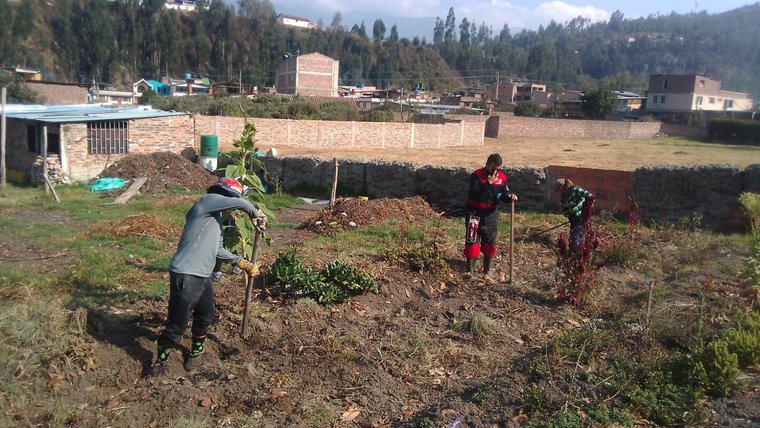
I’m currently involved in three main projects. The first is supporting a community orchard to expand its tourist potential, particularly by creating the first butterfly garden in town. The second project is leading an entrepreneurship club at my high school. I facilitate the club and mentor students in both business and leadership skills which can be applied to their projects or general personal development. It’s in its pilot phase and I’m hoping that it will eventually become an official extracurricular program at the school. The third project is with the agricultural department in the mayor’s office. I work with farmers who want to strengthen their commercial and business skills. This latter one is probably my most challenging but I do have a wonderful counterpart whom I can count on.
3. What strategies have you used to integrate into your community?
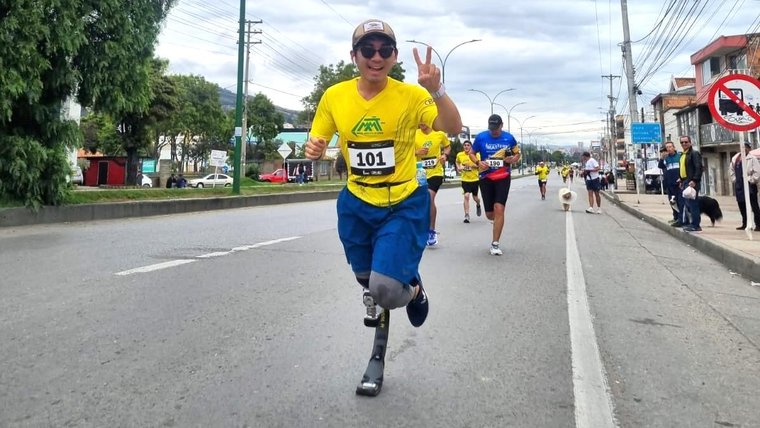
As an amputee, I've been received very well and have had no issues. Actually, being Asian-American garners more attention than my leg! At my site we have a government department for people with disabilities, and amputees and people in wheelchairs are definitely present in the community. Awesome, in my opinion. I see my role as acting as a support for whatever people with disabilities are doing.
A strategy I’ve learned to better connect with my community is to be open and participate in events I’m invited to. Try to make those connections earlier rather than later because it only makes your service easier and frankly more enriching. Don’t worry about your language skills, they’ll come as long as you’re willing to make that effort.
Patience is a virtue anywhere you go but here in Colombia it is pushed to another level. It’s a great lesson on learning flexibility and for me especially, learning to take more initiative in order to make progress. It’s not negative, but rather the reality of how different it is here compared to the U.S.
4. What is a highlight of your time in service so far?
Most people would say their highlight of service is somewhere they traveled or the friends and host family members they met during service, but for me it’s the dancing. I didn’t consider myself a decent dancer before serving, and it was something I felt self-conscious about. I can comfortably say that fear has faded now; I’m surrounded by locals for whom it comes so naturally and I can learn from them without judgment. I also take classes on the side. It’s one thing I love about this country and I don’t plan to stop after service.
5. What have you enjoyed most about the community where you are serving?
There’s a warmth in my Colombian community that I never really experienced in the States. And I’m so glad that I notice it now because I don’t want to lose that if I go back. When I work with my counterparts, my students, and my host family, we have genuine conversations that don’t feel rushed and that don’t feel like a polite checklist. A big win for Colombia and its welcoming culture.
6. What are some of the most important things you’ve learned from your community?
I think a lot of people, including myself, forget to take time and reflect; reflection is important for self-awareness and personal growth. Especially if there are disagreements and conflicts, it’s even more important to examine what and why they happened. At times when I’m frustrated I’ve reached conclusions that may not be correct or may be biased. When I remind myself to reflect on the situation, it helps me to find other perspectives and learn to empathize with others. It brings me peace in a lot of ways and is healthy for my emotional well-being. My advice is to practice mindfulness often.
7. How do you spend time when you are not working on a project?
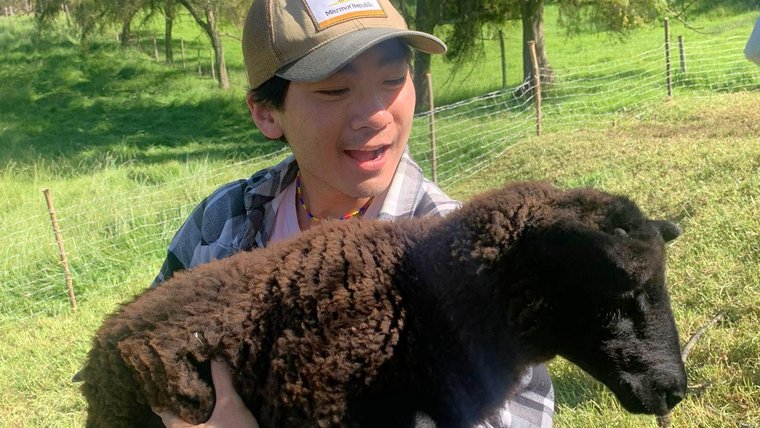
I love keeping up with my hobbies back in the States and picking up new ones that interest me here. I bought a guitar because I missed it a lot. As mentioned earlier, I’m taking dance classes to learn salsa and bachata. Something that I’ve always enjoyed but never got around to starting was cinematography. I love movies and always wanted to create my own short films. I'm working on one right now.
8. What are you looking forward to in your remaining time as a Volunteer?
I just got approved for a grant for our community orchard project, which we’re going to start next year. It’s an ambitious project that will most likely take a majority of my time until I end service.
The grant will provide the necessary tools and materials to carry out a course on product gardening. Participants will gain technical and business skills so they can launch their own businesses.
I’m hyped because I’ve worked with this group from the start and love the work that they do. I have great, dedicated counterparts so I feel ready for whatever happens.
9. Once you finish service, what will you do differently when you return to the U.S.?
I plan to buy a motorcycle. I don’t really enjoy driving and the maintenance that comes with it and after living in Colombia and seeing everyone ride, it sparked an interest. Although I have never been on or driven one, I’m very curious. Motorcycle culture is so common in Colombia and locals tell me it’s much better than owning a car. I think it’s something I may enjoy.



