 An official website of the United States government


Featured Volunteer Profile
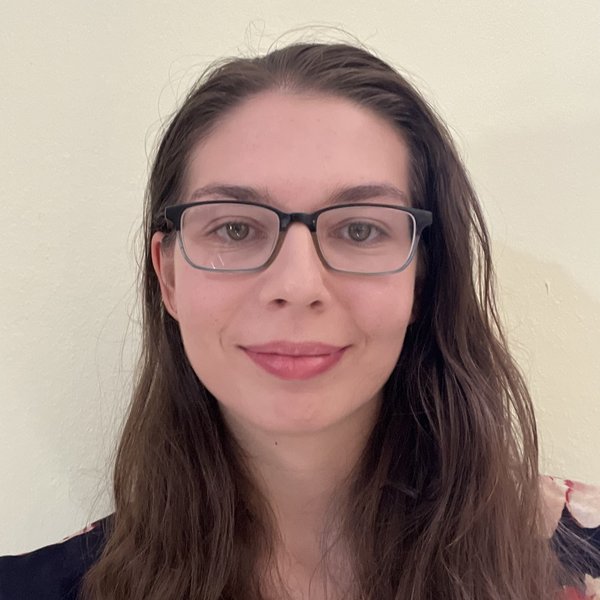
Kelcey F.
“People in my community work hard in everything ... And when it is time to rest, they do so unashamedly. You’re sick? Lie down. You’re tired? Sit down. It’s okay, and even necessary, to take breaks and spend time with family, friends, and alone.”
1. What got you interested in the Peace Corps?
I became interested in the Peace Corps as a junior in high school. I grew up with an interest in social causes, but my perspective was limited to my suburban town, as I’d never traveled. Only when I began studying foreign languages in high school did the whole world open up around me. I wanted to learn about other cultures, speak new languages, and work with communities to reach their goals. As I pursued my high school’s Global Studies certificate and took up my first opportunities to travel, I learned about Peace Corps’ grassroots work toward lasting change and knew I wanted to be a part of it.
Two Returned Peace Corps Volunteers I met along the way influenced me. First, the youth leader who enthusiastically spoke of her students in Mongolia while casually mentioning lack of access to water and electricity in her site. I admired her strength in the face of challenges that most people from the U.S. do not experience. Second, my Arabic professor’s career and lifelong passion for Arab cultures was launched by his service in Oman 30 years before.
I thought the Peace Corps must be doing something right if Returned Volunteers spoke about their service like this. These stories kept me going during the COVID-19 pandemic, between my first invitation to Morocco in 2020 and my next to the Dominican Republic in 2022.
2. What projects are you working on?
I work with my counterpart in our community’s elementary school to hold youth clubs and classes for middle-grade students.
In our girls’ club, we touch on themes of health, self-esteem, and planning for the future, with the collaboration of community women who share their experience and advice. I utilize my childhood ballet skills (thanks, Mom and Dad!) to teach a weekly ballet class. Though dancing is an important part of Dominican culture, ballet is not commonly practiced in my community. The girls are bringing new tendus and chaînes back to the lyrical dance groups at their churches.
In our environmental club, kids are learning how to protect the beautiful island we call home. We’re currently studying sea turtles, which lay their eggs on local beaches! I love working with kids because they are so enthusiastic about learning and working as a team. I learn so much from them, and they make me optimistic about the future.
As a secondary project, I am involved with community members, Dominican veterinarians, and Peace Corps staff to design a guide for Volunteers and community members regarding pet ownership and animal welfare. Here, lack of access to veterinary services means that the streets are overpopulated with cats and dogs. We are working to create strategies to improve the lives of street animals and pets alike by increasing awareness about dietary needs, illnesses, and spaying/neutering. As the owner of two Dominican cats, this project is very close to my heart and a connection that I have with many community members.
3. What strategies have you used to integrate into your community?
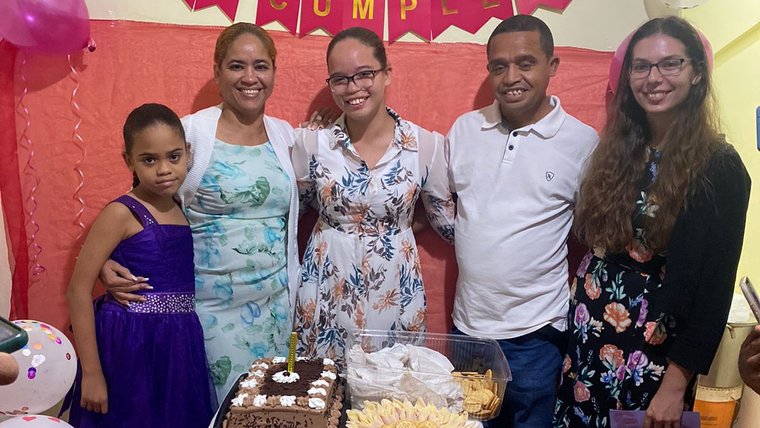
A willingness to learn and form friendships is the backbone of my integration strategy. I am lucky to have an incredibly welcoming host family and counterpart who became my immediate allies in integration. The daily building of trust and friendship has helped me understand various cultural differences and adjust some habits, yet still feel confident to share who I am. In the wider community, attending gatherings like church services has been a great way to meet people and form relationships. With kids, some fun activities and an open ear are all that’s needed.
4. What is a highlight of your time in service so far?
One highlight was the kick-off session of our environmental club that I led with two students from sixth grade. The students had expressed interest in environmental issues and committed to help encourage fellow students to join the club. We prepared for over a month, catching time during recess and lunch hours to design the class and its visual aids. I loved seeing them dedicate themselves to an issue that interests them and connect to their peers about it.
5. What have you enjoyed most about the community where you are serving?
There are so many things to say—the beauty of the island, the kindness of the people, the enthusiasm of the kids. Something unique about my community is that it lives between two worlds. We are a campo (rural area), but only a short drive from the regional capital. Here, agricultural workers live alongside government employees, fisherman alongside doctors. I love being a part of so many lifestyles and knowing people with so many varying life paths.
6. What are some of the most important things you’ve learned from your community?
Work hard, play hard: People in my community work hard in everything from jobs to housework. And when it is time to rest, they do so unashamedly. You’re sick? Lie down. You’re tired? Sit down. I have learned that it is okay, and even necessary, to take breaks and spend time with family, friends, and alone.
Sharing is caring: Here, when I visit someone’s house, I am always offered food and drink, and often a to-go bag of mangos, plantains, or whatever produce is currently growing in their yard. This attitude of sharing goes beyond simple hospitality. Children in the school share a chip or piece of candy from their snack bag with each friend without complaint. Many people live on family compounds their whole lives. Time, space, energy, and funds are shared among loved ones. Taking on this attitude has been an important part of my integration and has been a good lesson.
7. How do you spend time when you are not working on a project?
I enjoy spending time with my host family, talking and playing our favorite games from the States, UNO and Jenga. I also like to walk and exercise in the evenings with women from my community. At home, you’ll find me doing chores while enjoying an audiobook or spoiling my cats rotten.
8. What are you looking forward to in your remaining time as a Volunteer?
In my remaining time, I want to see my students continue to develop and succeed. I wish to deepen the relationships that I have with community members and form new ones. Mostly, I want to appreciate the opportunity that I have to be in this community and do good work.
9. Once you finish your service, what will you do differently when you return to the U.S.?
When I return to the U.S., I would like to work in public policy. When studying and creating the policies that affect people’s lives, one must deeply consider what grassroots work and community action looks like in relation to those policies. I hope to utilize my experience as a Volunteer to do empathetic policy work that puts communities first.
I will also be buying a lot more mangos and plantains from the grocery store for a taste of what has become my second home.



