 An official website of the United States government


Featured Volunteer Profile
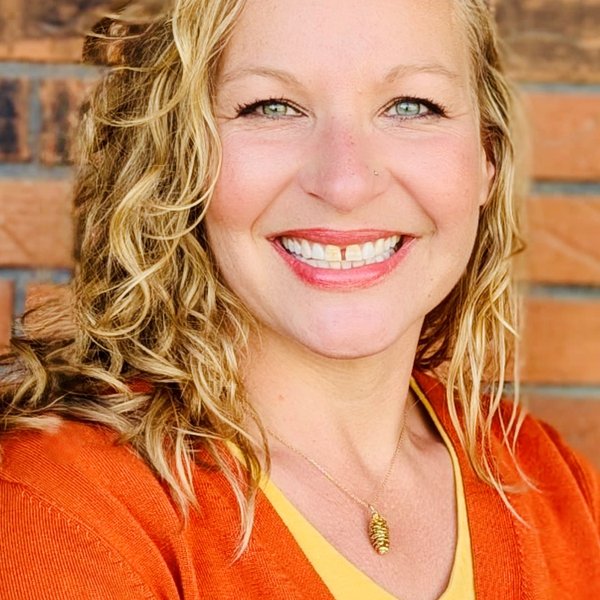
Caelyn M.
“I’ve found that as I learn more about another culture, I learn more about myself.”
1. What got you interested in the Peace Corps?
I was interested in the Peace Corps from the first moment I learned of it—the service to my fellow humans, the personal growth, the adventure. The desire to serve stewed for years, until I reached a time in my life when I could finally apply.
2. What projects are you working on?
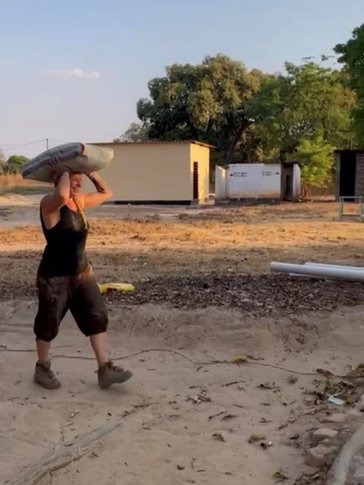
My service has mostly consisted of supporting community health workers with under-five clinics and supporting people living with HIV at the local health center.
The community members identified areas the Peace Corps could support and as a team we dreamed up potential projects.
One big project is the establishment of support groups in communities for people living with HIV. The “supporters” (as I call them) provide some services in their communities so that people living with HIV don’t have to travel many kilometers to the rural health clinic to, for example, pick up medications.
The other project is poultry farming as a way for the community health workers to generate income. The income will be used to build shelters in the outreach communities for antenatal visits, for ingredients to do cooking demonstrations, and for parts and supplies to maintain bicycles, and other services.
3. What strategies have you used to integrate into your community?
I’ve integrated into my community by visiting neighbors and talking to anyone willing to talk to me! If there is a community event, I attend when able; I say yes to nearly every invite—to funerals, celebrations, events put on by NGOs. Also, my host family has been very helpful teaching me the Zambian way.
4. What is a highlight of your time in service so far?
The highlight for me is the cultural immersion. I’ve found that as I learn more about another culture, I learn more about myself. An equally important highlight for me are the friends I’ve made among Volunteers and community members.
5. What have you enjoyed most about the community where you are serving?
The welcome I received from my community was heartwarming. The feeling of being a part of the community is what I’ve enjoyed the most.
6. What are some of the most important things you’ve learned from your community?
I’ve learned that Zambians are strong! I appreciate the methods they use to perform everyday chores/work.
I’ve learned that time is not linear.
I’ve learned that I’m incredibly grateful to have modern conveniences.
I’ve also learned a lot about different ailments and diseases which are less prevalent in the U.S.
7. How do you spend time when you are not working on a project?
I spend a lot of time reading and trying new recipes and of course doing chores! And I spend time with friends and my Zam fam!
8. What are you looking forward to in your remaining time as a Volunteer?
I’m looking forward to exploring more of my area. While I’ve biked a lot and through many places in my catchment area, I have not explored. The biking has always been with the intention to get somewhere by a certain time. I want to see where the trails I don’t use take me.
I’m looking forward to continuing to work on projects and starting as many as I can.
I’m also looking forward to doing what I can to set up the community to implement projects on their own, which we won’t have time to do together before my service ends.
9. Once you finish your service, what will you do differently when you return to the U.S.?
I will limit the amount of water I use—bucket baths aren’t bad! I will not use lighter fluid to start charcoal! I will hand wash some of my laundry and whenever possible, dry laundry on the line.
I will be less rigid about my time (where applicable)!
The boundaries I’ve learned to set here will help me to set necessary boundaries back home.



