An official website of the United States government

Official websites use .gov
A
.gov website belongs to an official government
organization in the United States.

Secure .gov websites use HTTPS
A
lock (
) or https:// means you’ve safely connected to
the .gov website. Share sensitive information only on official,
secure websites.

Search
Connect with the Peace Corps
If you're ready for something bigger, we have a place where you belong.
Apply to the Peace Corps
The application process begins by selecting a service model and finding an open position.
Let us help you find the right position.
If you are flexible in where you serve for the two-year Peace Corps Volunteer program, our experts can match you with a position and country based on your experience and preferences.
Serve where you’re needed mostYouth Development Facilitator
 Youth in Development
Job highlights
Applications are now closed. View current openings.
Apply by
January 1, 2026Know by
May 1, 2026Depart on
September 17, 2026Duration
2 years, plus 3 months trainingAbout the project
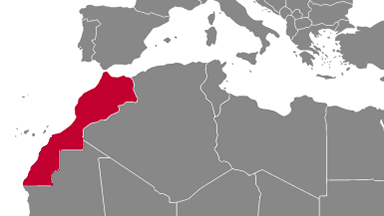
The Kingdom of Morocco, located in North Africa, is a country of rich natural resources and beauty, undergoing significant political, social, and economic transitions. Youth development has become a major focus for the Moroccan government due to high youth unemployment and the urgent need for skill advancement among young people. As a Youth Development Facilitator in Morocco, you will play a vital role in this national priority by empowering Moroccan youth to become healthy, productive, and civically engaged citizens.
According to the 2024 Census,, the youth population in Morocco for individuals between the ages of 15-24 has grown to approximately 3 million people. This , represents over 8% of the total population. This age group, which includes older teens and young adults transitioning into the workforce or higher education, exhibits a notably low labor force participation rate of 22.7% in 2024, substantially below the national average of 43.5% . These figures reflect a critical challenge: while nearly three million young Moroccans form a sizeable and potentially dynamic demographic group, only a fraction are economically active. Additionally, cultural and systemic barriers hinder youth civic engagement, making your role even more essential.
As a Youth Development Facilitator, you will collaborate with local counterparts to assess youth needs and design empowerment programs that leverage youth as assets. You will model and promote volunteerism, teach communicative English, and emphasize employability skills such as digital literacy and social-emotional skill development—recognized as vital life skills. Much of this work will be conducted through classes, clubs, and camps, aiming to complement and extend the skills and knowledge youth acquire in school.
A Youth Development Facilitator’s daily work schedule will vary. After school and summer programming design can be quite unstructured and will require initiative, relationship-building, and creativity from you to create community opportunities for work. You have got to enjoy engaging with a range of age-groups from kids to young adults and feel you are able to approach them and connect. Volunteers will be expected to share their interests or hobbies with youth as a helpful strategy. This could include theater, music, art, sports, crafts, etc.
Volunteers live and work in diverse settings, including rural, semi-urban, and urban communities. Communities seeking to work with a Volunteer often have at least one institution from the Ministry of Youth, Culture, and Communication, such as a youth center (Dar Chabab) or a women’s center (Nedi Neswi). Upon arrival in their assigned communities, Volunteers are expected to build strong relationships with youth and community leaders, initiating and expanding their networks to create responsive activities and programs. These relationships are crucial for the sustainability of the Volunteer’s work.
By investing your time and skills in Morocco, you will make a significant impact on the lives of young people, helping them to realize their potential and contribute positively to their communities. Your work will not only address immediate needs but also lay the groundwork for lasting change, empowering the next generation of Moroccan leaders and fostering a generation of environmentally conscious citizens.
SPECIAL NOTICE ABOUT CITIZENSHIP: Candidates who are either dual citizens of Morocco and the U.S., who were born in Morocco, or whose parent(s) is a/are Moroccan citizens are not eligible to serve in Peace Corps Morocco. Under Moroccan law, an individual who meets any of these criteria is considered a citizen of Morocco and would have responsibilities (including payment of taxes) and be treated as a Moroccan citizen while in Morocco which may limit the Peace Corps' ability to intervene in any legal matter or emergency situation. If you fit any of the identified categories, we encourage you to consider other assignments.
Learn more about what Volunteers do in country by visiting our Morocco project page.
Required skills
Qualified candidates will have one or more of the following criteria:
Qualified candidates will have one or more of the following criteria:
• Bachelor of Arts/Bachelor of Science degree in any field
OR
• 5 years' professional work experience
Language: There are no pre-requisite language requirements for this position.
Required behavioral competencies
These competencies are essential for all service assignments and are assessed in the application and interview process:
Motivation for and commitment to service
Adaptability and open-mindedness
Problem solving and resourcefulness
Behavioral maturity and professionalism

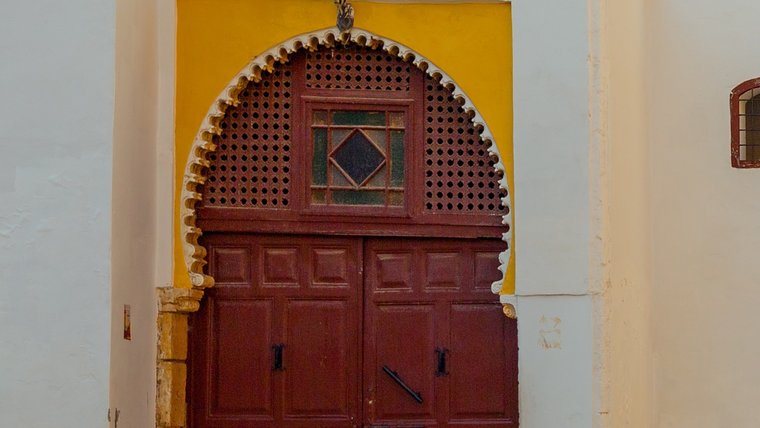
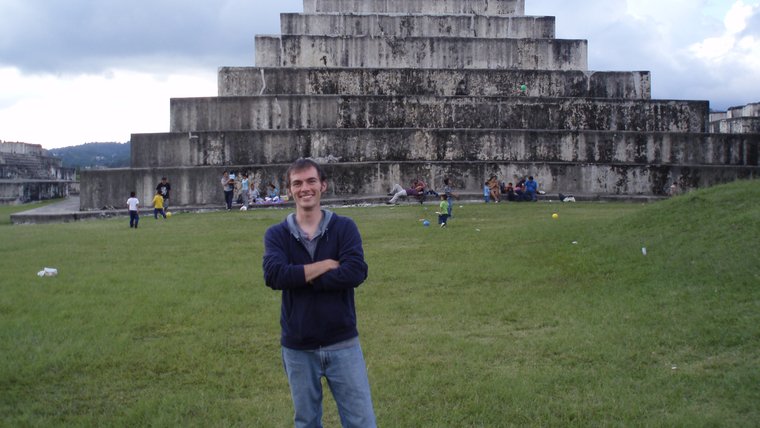
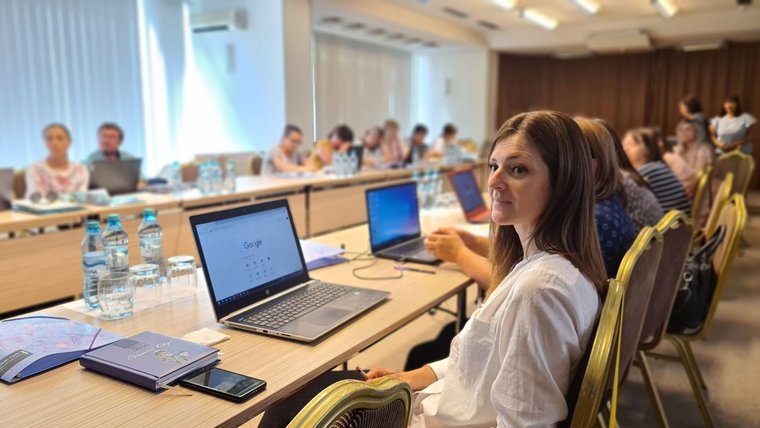
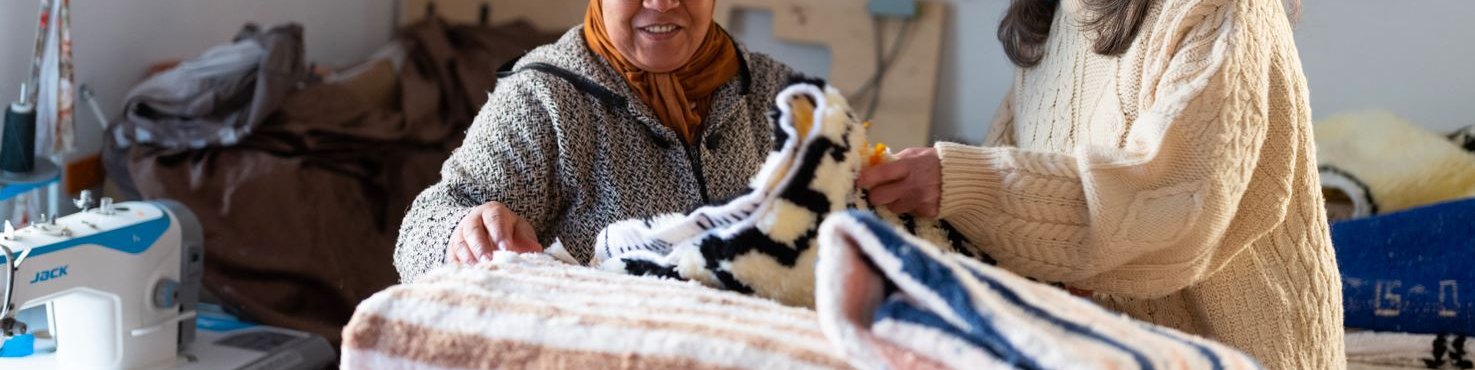
Photos from Morocco



How you and the community will make an impact together:
Morocco, a country known for its rich history, unique traditions, and wonderful cuisine, offers diverse living conditions for Peace Corps Volunteers. Depending on the region and climate, Volunteers may live in desert areas, mountainous regions, or rural villages. Accommodations vary from apartments to houses, similar to those of local families. As members of their communities, Volunteers will experience the same utility availability as their neighbors, including electricity, hot water, and internet, but should not expect consistent connectivity.
During the 9.5-week Pre-Service Training (PST), Volunteers will stay with a host family to foster community integration and language acquisition. This homestay experience continues for at least one month after arriving at their permanent communities. Living with host families offers invaluable insights into local culture, traditions, and customs, and helps Volunteers build strong connections within their communities.
Morocco is a traditional, family-centered society with hierarchical and patriarchal leanings. Volunteers must possess mature interpersonal skills, the willingness to suspend judgment around traditional societal roles of men and women and religious norms and be willing to adapt to local social customs. It is essential to navigate these cultural dynamics with sensitivity and respect.
As foreigners, Volunteers may attract significant attention in their communities. Same-sex relationships are illegal, and discussions about sexual orientation are considered taboo. Volunteers must be discreet about their personal identities within their host communities. All Peace Corps Morocco Volunteers receive training on measures to mitigate and respond to harassment.
Volunteers of Color, particularly Black and Asian-American Volunteers, often experience high levels of unwanted attention, harassment, and discrimination. Black Volunteers report significant harassment due to prevailing attitudes toward West African immigrants. Asian-American Volunteers face additional challenges of unwanted attention and harassment because of their appearance, including discrimination linked to the pandemic. Volunteers who do not fit the stereotypical image of an American (white skin, blond hair, blue eyes) may be asked probing questions around their family history and “origin.” Conversely, Volunteers of Color that may be “Moroccan passing” such as some Arab and Latino PCVs, note that they do not experience similar levels of attention.
Despite these challenges, Peace Corps is committed to creating a supportive environment for all Volunteers. Peace Corps Morocco has a variety of support structures, including a Volunteer Support Network, ensuring that Volunteers can confidentially discuss their concerns with peers and staff. Volunteers of diverse backgrounds have successfully served in Morocco, contributing to the richness of the Peace Corps community.
Living conditions in Morocco require flexibility, creativity, and a proactive approach to identifying and addressing community needs. Volunteers must be prepared for physical and social demands, including transportation limitations and the need to adapt to local modes of travel, which may include walking long distances, using pick-up trucks, vans, or collective taxis. Personal appearance is important, and Volunteers are expected to dress to local standards, typically involving clean, modest clothing appropriate for their roles.
Peace Corps Morocco continues to evolve its activities and seeks Volunteers who are eager to embrace these challenges. For additional information, please visit the [Peace Corps Morocco website](https://www.peacecorps.gov/morocco/).
Learn more about the living conditions, including detailed information on culture, communications, housing, and health/crime statistics on our Morocco country page. You can also delve into stories about local communities by reading our blog or Volunteer stories.
Meet a Volunteer in Morocco
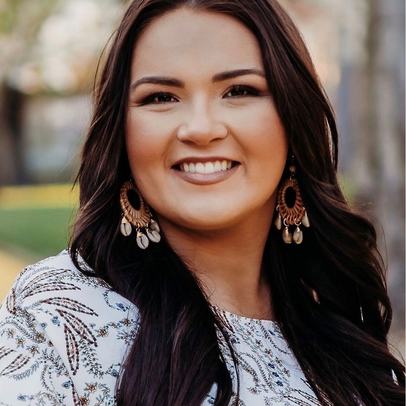
Brooklyn S.
Youth Development Specialist
"Attending Moroccan weddings, celebrating holidays like Ramadan and Eid, and joining in festivities for Morocco's success in the World Cup have allowed me to connect with the local culture on a deep level."
See full Volunteer profile
To learn more about serving as a couple in Morocco, visit the country page.
Application process
From application to departure takes around nine months. Learn about the application process for Volunteer opportunities.
Medical/legal clearance
You will need to be cleared medically and legally in order to serve in Morocco. Review information on medical clearance and legal clearance to learn about the process.