An official website of the United States government

Official websites use .gov
A
.gov website belongs to an official government
organization in the United States.

Secure .gov websites use HTTPS
A
lock (
) or https:// means you’ve safely connected to
the .gov website. Share sensitive information only on official,
secure websites.

Search
Connect with the Peace Corps
If you're ready for something bigger, we have a place where you belong.
Apply to the Peace Corps
The application process begins by selecting a service model and finding an open position.
Let us help you find the right position.
If you are flexible in where you serve for the two-year Peace Corps Volunteer program, our experts can match you with a position and country based on your experience and preferences.
Serve where you’re needed mostRural Agriculture Educator
 Agriculture
Job highlights
- Build practical skills in sustainable agriculture, soil conservation, and pest management.
- Strengthen your Spanish language skills and practice basic Ngӓbere through daily interactions.
- Immerse yourself in indigenous Panamanian culture, form lasting relationships, and learn from farmers who become your greatest teachers.
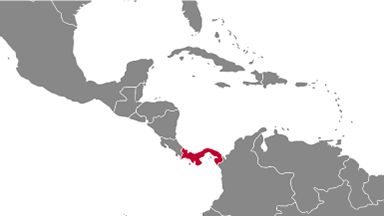
Panama • North America
In partnership with: Local cooperatives, farming groups, schools
Get answers live — every weekday at .
Apply by
November 15, 2026Know by
January 1, 2027Depart on
June 19, 2027Duration
2 years, plus 3 months trainingAbout the project
Ready to roll up your sleeves and strengthen sustainable agriculture in rural Panama? Support smallholder farming families as they work to improve resilient livelihoods.
Many Indigenous communities in Panama rely on subsistence farming as their primary livelihood. However, land degradation, high production costs, and low yields threaten sustainable income. These challenges persist due to the communities’ geographic isolation, limited technical support from agriculture authorities, and changing weather patterns. Strengthening agricultural systems is a national priority, yet Indigenous communities often lack the resources and extension services needed to adopt improved practices.
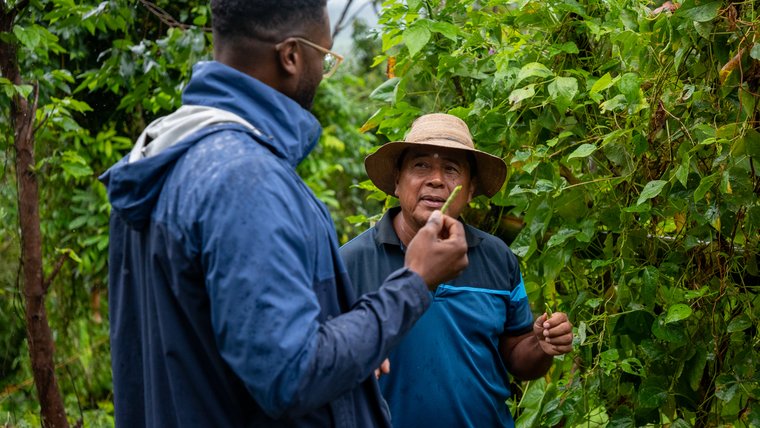
As a Rural Agriculture Educator, you will support local farmers to apply practical techniques to address agriculture production issues, such as soil conservation, integrated pest management, or post-harvest management. You will support cooperatives and farming groups to explore cash crops or the production of artisanal goods. You will develop the community’s marketing, budgeting, and organizational skills. Finally, you’ll encourage a nutritious diet by introducing families to underutilized crops and new recipes. Your support will equip farmers with new ideas, approaches, and skills to address common agricultural challenges. Your collective efforts will lead to more resilient livelihoods, improved food security, and sustainable agricultural systems that can support Indigenous communities for generations to come.
Learn more about what Volunteers do in country by visiting our Panama project page.
Required skills
Qualified candidates will have one or more of the following criteria:
Associate degree in any field and at least two years of full-time, post-high school work experience (from any combination of roles).
OR
Bachelor's degree in any field.
OR
High school diploma or GED and 4 years of full-time post-high school work experience (from any combination of roles).
Language: Spanish
A. Completed 4 years of high school Spanish coursework in the past 8 years
B. Completed college-level Elementary II Spanish semester (Elementary III in quarter system) within the past 6 years
C. Score between 50-62 on the Spanish College Level Examination Program (CLEP) exam in the past 6 years
D. Score Novice-High or Intermediate-Low on official American Council on the Teaching of Foreign Languages (ACTFL) Oral Proficiency Interview (OPI) in Spanish within the past 6 years
Required behavioral competencies
These competencies are essential for all service assignments and are assessed in the application and interview process:
Motivation for and commitment to service
Adaptability and open-mindedness
Problem solving and resourcefulness
Behavioral maturity and professionalism

Photos from Panama



How you and the community will make an impact together:
Train farmers on sustainable soil and water conservation practices.
Facilitate farmer-to-farmer demonstrations on integrated pest management and other improved production techniques.
Support farmers to apply post-harvest handling, storage, and value-added practices.
Explore income-generating activities, such as coffee production or artisanal goods.
Coach farmers and farming groups on basic agricultural business skills, including budgeting and marketing.
Support farmers’ groups to strengthen leadership, communication, and planning.
Teach families how to prepare nutritious recipes using local crops.
You may also work on additional projects that meet the community’s interests and priorities, such as English conversation clubs and after-school sports.
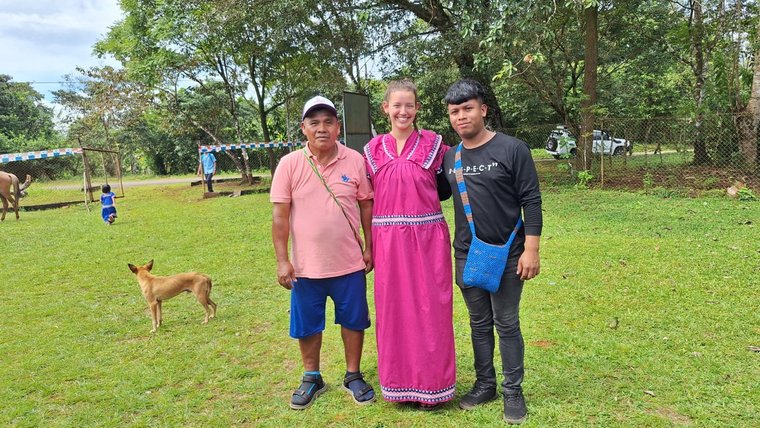
Volunteers live in rural, Indigenous communities in western Panama. For the first 3–4 months, Volunteers live with a host family—often a large multigenerational household—and may elect to later move to independent housing. Volunteers should expect basic living conditions with limited transportation and no electricity or running water. Cell signal may require a 30‑minute hike through wet or muddy terrain.
Learn more about the living conditions, including detailed information on culture, communications, housing, and health/crime statistics on our Panama country page. You can also delve into stories about local communities by reading our blog or Volunteer stories.
Meet a Volunteer in Panama
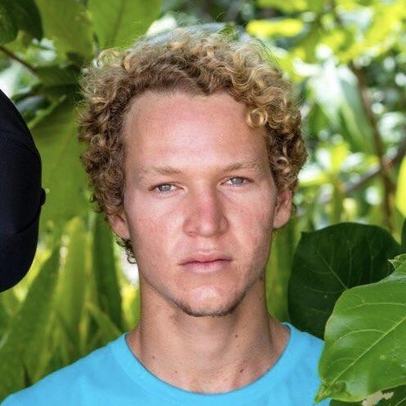
Manuel D.
Community Environmental Conservation Promoter
"The ability to be self-directed and stay on top of things even when there are no deadlines is one of the best skills Peace Corps service can teach you."
See full Volunteer profile
As a Rural Agriculture Educator, you will be trained in participatory community analysis, intercultural engagement, and agriculture-specific practices. Peace Corps/Panama will teach you Spanish to help you comfortably live in and connect with the community. You will also receive language resources and learn basic Ngӓbere.
After 10 weeks of training, you will move to a rural community where you will collaborate with farmers and local community groups. You will work with the community to assess the local needs and develop solutions based on farmer priorities and shared community goals.
Only heterosexual couples can be accepted for this program. Each person must apply separately and must qualify for a position in either the same or a different sector than their partner. Cross-sector couples will live with different host families who may reside in different communities during training. Cross-sector couples may see each other for joint-sector training days or on the weekends but neither are guaranteed. Couples who are selected for the same sector will live together but work with different local partners which may be in the same community or in neighboring communities (not more than 30 minutes apart).
To learn more about serving as a couple in Panama, visit the country page.
Application process
From application to departure takes around nine months. Learn about the application process for Volunteer opportunities.
Medical/legal clearance
You will need to be cleared medically and legally in order to serve in Panama. Review information on medical clearance and legal clearance to learn about the process.