An official website of the United States government

Official websites use .gov
A
.gov website belongs to an official government
organization in the United States.

Secure .gov websites use HTTPS
A
lock (
) or https:// means you’ve safely connected to
the .gov website. Share sensitive information only on official,
secure websites.

Search
Connect with the Peace Corps
If you're ready for something bigger, we have a place where you belong.
Apply to the Peace Corps
The application process begins by selecting a service model and finding an open position.


Let us help you find the right position.
If you are flexible in where you serve for the two-year Peace Corps Volunteer program, our experts can match you with a position and country based on your experience and preferences.
Serve where you’re needed mostNatural Resource Management Educator
 Environment
Job highlights
- Develop Tongan language skills from skilled Language and Cross-Cultural Facilitators.
- Learn effective nature-based solutions to teach environmental education.
- Enjoy island life while promoting responsible use of natural resources among the friendly people of Tonga.
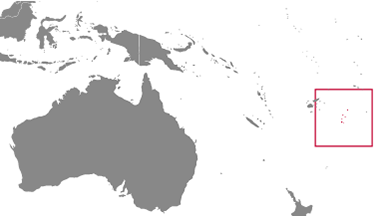
Tonga • Pacific Islands
In partnership with: Town officers, youth associations, women’s associations
Get answers live — every weekday at .
Apply by
November 15, 2026Know by
January 1, 2027Depart on
June 14, 2027Duration
2 years, plus 3 months trainingAbout the project
Are you passionate about the community outreach and environmental stewardship? This is your chance to do just that in the South Pacific!
Tonga is among the world’s most disaster‑prone nations, facing frequent earthquakes, tsunamis, tropical cyclones, and mounting pressure on natural resources. These hazards place livelihoods, food security, and community well‑being at continual risk. Yet Tonga also holds indigenous environmental knowledge and longstanding cultural practices that support sustainable resource management and strengthen the community's resilience and preparedness. With environmental awareness, adaptation, and disaster risk management a top priority, Tonga’s government is looking for support in building a stronger, more sustainable future.
As an Environmental Facilitator, you will support Tongan communities to deepen their understanding of local environmental challenges and take informed, practical action. Alongside your community, you will plan and implement nature‑based solutions, revive and apply traditional environmental practices, and strengthen community disaster preparedness. Your efforts will unlock potential for immediate benefits—such as improved environmental awareness, community participation, and preparedness skills—while also contributing to the country’s long‑term resilience.
Learn more about what Volunteers do in country by visiting our Tonga project page.
Required skills
Qualified candidates will have one or more of the following criteria:
Associate degree in any field and at least two years of full-time, post-high school work experience (from any combination of roles).
OR
Bachelor's degree in any field.
OR
High school diploma or GED and four years of full-time, post-high school work experience (from any combination of roles).
Language: There are no pre-requisite language requirements for this position.
Required behavioral competencies
These competencies are essential for all service assignments and are assessed in the application and interview process:
Motivation for and commitment to service
Adaptability and open-mindedness
Problem solving and resourcefulness
Behavioral maturity and professionalism

Photos from Tonga



How you and the community will make an impact together:
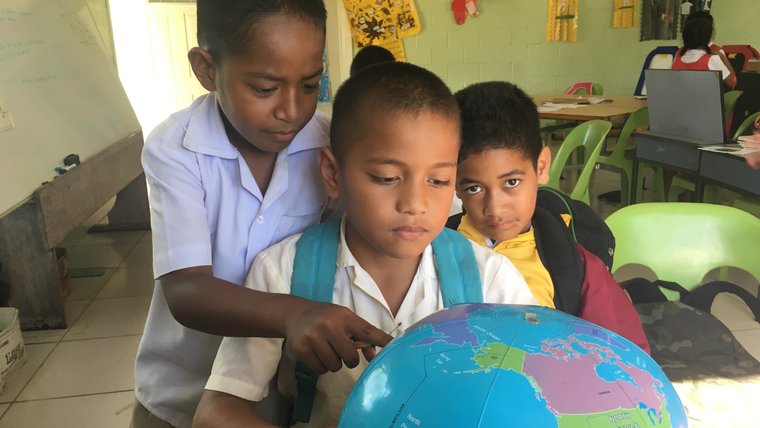
Facilitate environmental camps, clubs, and science classes.
Promote community engagement in data collection to inform scientific studies.
Coordinate community clean-ups and sustainable waste management efforts.
Strengthen local fisheries management and sustainable agricultural practices.
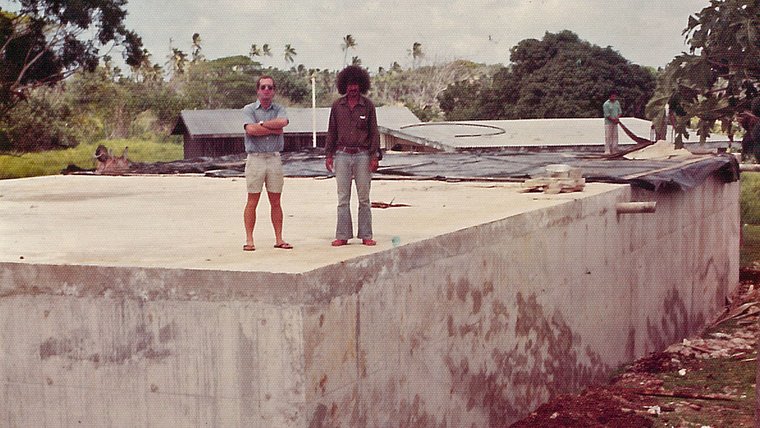
Assist with sanitation and hygiene promotion as well as sustainable rainwater harvesting and storage solutions.
Collaborate on community emergency action planning, awareness campaigns, and preparedness activities.
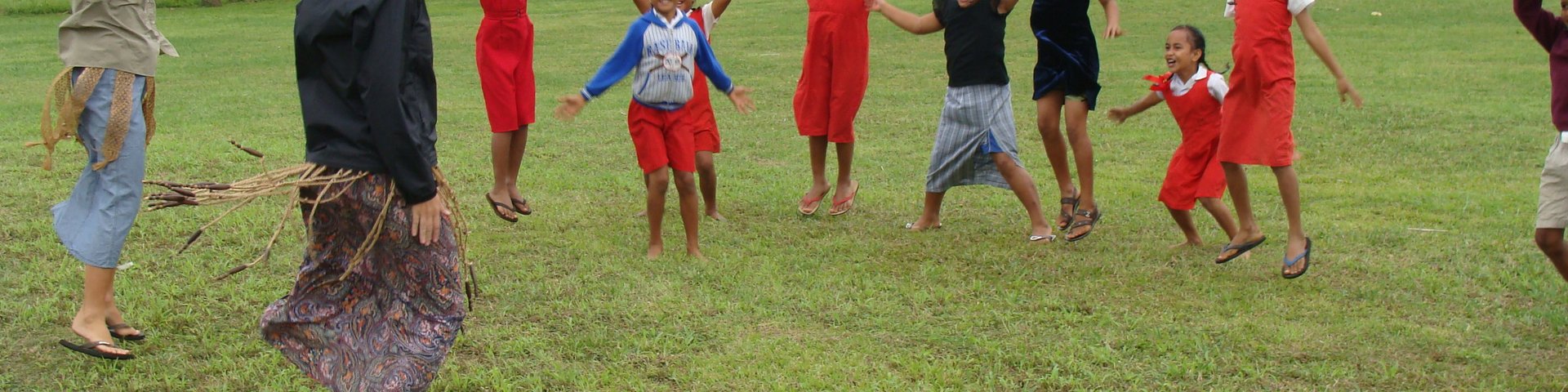
Promote English through clubs, the arts, and other extracurricular activities.
You may also work on additional projects that meet the community’s interests and priorities, such as supporting an after-school book club or organizing a library.
Most Volunteers will live in a private room within a host family’s home with a shared bathroom and kitchen; some may live in an independent house, depending on availability. All Volunteer housing has electricity and running water, except in communities on the more remote outer islands.
Learn more about the living conditions, including detailed information on culture, communications, housing, and health/crime statistics on our Tonga country page. You can also delve into stories about local communities by reading our blog or Volunteer stories.
Meet a Volunteer in Tonga
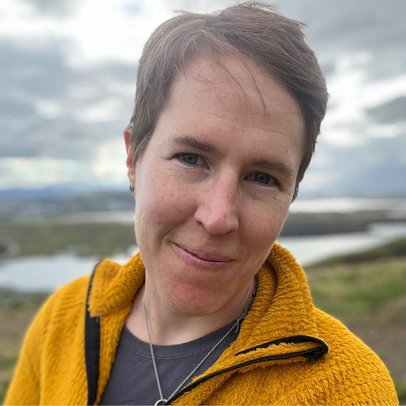
Steph S.
English Language Facilitator
"The adaptability I mastered while teaching in a remote village allows me to thrive in fast-paced IT environments where I must resolve precedent-setting technical issues."
See full Volunteer profile
As an Environmental Facilitator, you will be trained on the environmental challenges in Tonga, community-driven and participatory development approaches, and nature-based action planning. Peace Corps/Tonga will teach you Tongan to help you comfortably live in and connect with the community.
After 10 weeks of training, you will move to rural community where you will collaborate with district and town leaders, youth associations, women’s groups, and schools. You will work with the community to identify environmental opportunities and risks and develop solutions based on community priorities and available resources.
Only heterosexual couples can be accepted for this program. Each person must apply separately and qualify for a position in a different sector than their partner. Cross-sector couples will live with different host families who may reside in different communities during training. Cross-sector couples may see each other for joint-sector training days or on the weekends but neither are guaranteed. Couples who are selected for the same sector will live together but work with different local partners which may be in the same community or in neighboring communities (not more than 30 minutes apart). Couples that serve in this country must be legally married to avoid conflicts that are not aligned with cultural and religious beliefs.
To learn more about serving as a couple in Tonga, visit the country page.
Application process
From application to departure takes around nine months. Learn about the application process for Volunteer opportunities.
Medical/legal clearance
You will need to be cleared medically and legally in order to serve in Tonga. Review information on medical clearance and legal clearance to learn about the process.