An official website of the United States government

Official websites use .gov
A
.gov website belongs to an official government
organization in the United States.

Secure .gov websites use HTTPS
A
lock (
) or https:// means you’ve safely connected to
the .gov website. Share sensitive information only on official,
secure websites.

Search
Connect with the Peace Corps
If you're ready for something bigger, we have a place where you belong.
Apply to the Peace Corps
The application process begins by selecting a service model and finding an open position.
Let us help you find the right position.
If you are flexible in where you serve for the two-year Peace Corps Volunteer program, our experts can match you with a position and country based on your experience and preferences.
Serve where you’re needed mostCommunity Food Security and Nutrition Facilitator
 Agriculture
Job highlights
- Develop hands-on experience with sustainable agroforestry practices
- Become a valued part of a host family and community
- Experience the rich culture of The Gambia firsthand
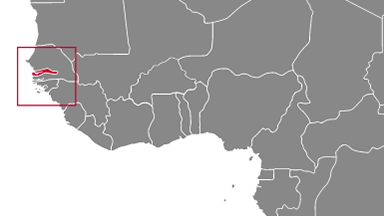
The Gambia • Africa
In partnership with: Farmers and agricultural groups
Applications are now closed. View current openings.
Apply by
March 15, 2026Know by
May 29, 2026Depart on
September 26, 2026Duration
15 monthsAbout the project
Calling all beekeepers, horticulturalists, and at-home gardeners! Farmers in The Gambia are looking for you to lend a hand as they strengthen the country’s food and nutrition security.
Agricultural activities in The Gambia are traditionally done during the short rainy season, which only lasts 3 to 4 months. Farmers are interested in learning climate-smart techniques to establish and improve dry-season vegetable gardens and tree nurseries. Animal husbandry management practices, such as beekeeping and raising chickens, are also of interest and will improve both the dietary diversity at the household level and provide additional sources of income.
As a Community Food Security and Nutrition Facilitator, you will implement nutrition-sensitive agricultural projects. You and your farming colleagues will train women, the youth, and individuals with developmental and physical disabilities on ways to generate agriculture-related income.
Learn more about what Volunteers do in country by visiting our The Gambia project page.
Required skills
Qualified candidates will have one or more of the following criteria:
Qualified candidates will have an expressed interest in working in agriculture and one or more of the following criteria:
Bachelor of Arts/Bachelor of Science degree in any field
OR
5 years' professional work experience
Language: There are no pre-requisite language requirements for this position.
Required behavioral competencies
These competencies are essential for all service assignments and are assessed in the application and interview process:
Motivation for and commitment to service
Adaptability and open-mindedness
Problem solving and resourcefulness
Behavioral maturity and professionalism

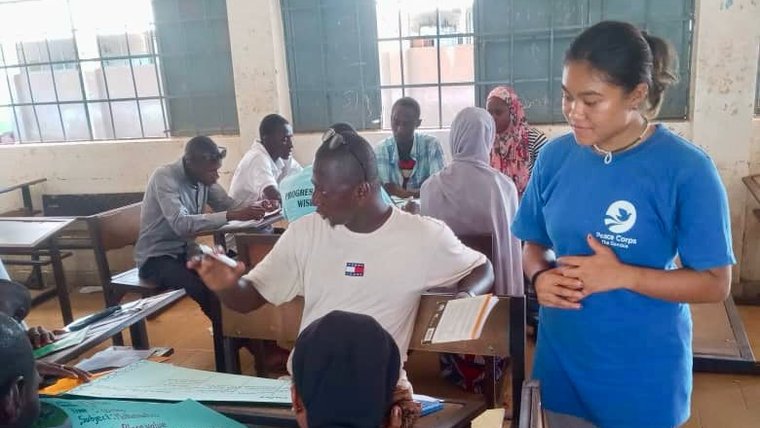
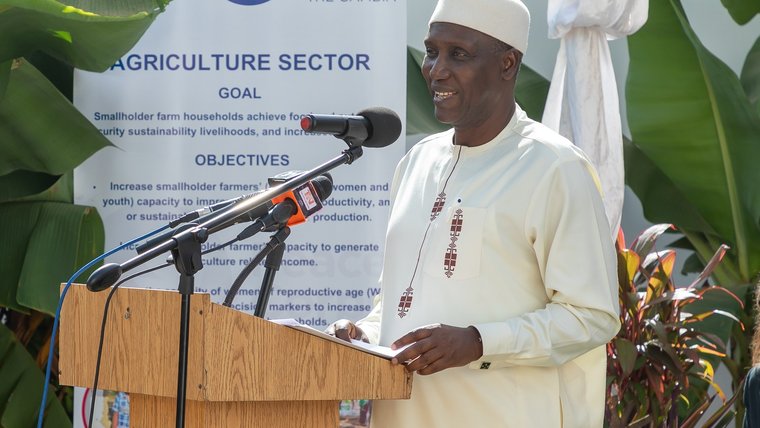
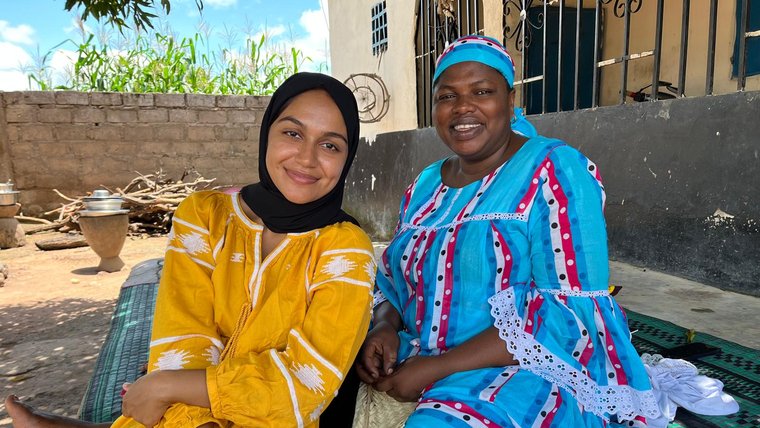
Photos from The Gambia



How you and the community will make an impact together:
How you and the community will make an impact together:
Implement environmental awareness programs and sustainable natural resource management activities
Strengthen local capacity in agroforestry production and crop cultivation management practices
Educate the community on nutrition and nutrition-sensitive agricultural production
Establish and manage tree nurseries, woodlots, orchards, beehives, and/or poultry
Create food and seed storage facilities to minimize post-harvest losses
You may also work on additional projects that meet the community’s interests and priorities, such as book clubs or sports.
Volunteers live in private housing within remote, rural communities.
Learn more about the living conditions, including detailed information on culture, communications, housing, and health/crime statistics on our The Gambia country page. You can also delve into stories about local communities by reading our blog or Volunteer stories.
Meet a Volunteer in The Gambia
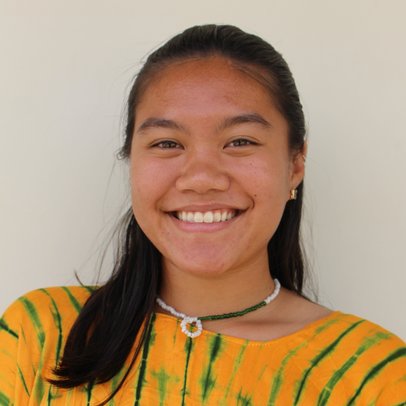
Trinity C.
Teacher Trainer
"Asking for help is not a weakness; reaching out to others, connecting—these things build relationships that can help you become a better version of yourself."
See full Volunteer profile
As a Community Food Security and Nutrition Facilitator, you will be trained to support The Gambia’s food security initiatives. Peace Corps/The Gambia will teach you Pularr, Mandinka, Wollof, Jola, and Serrahulleh to help you comfortably live in and connect with the community.
After 8 weeks of training, you will move to a rural community where you will collaborate with caregivers, families, healthcare workers, and teachers to develop solutions based on behavioral change principles. Volunteers will receive training on the country’s gender challenges and ways to implement gender-related activities to maximize their impact.
Heterosexual and same-sex couples are accepted for this program. Each person must apply separately and must qualify for a position in either the same or a different sector than their partner. Couples will live together during training but may separate occasionally for field-based activities. Couples who are selected for the same sector will live together but work with different local partners which may be in the same community or in neighboring communities (not more than 30 minutes apart). Cohabitating couples are highly encouraged to present themselves as married throughout service due to cultural expectations.
To learn more about serving as a couple in The Gambia, visit the country page.
Application process
From application to departure takes around nine months. Learn about the application process for Volunteer opportunities.
Medical/legal clearance
You will need to be cleared medically and legally in order to serve in The Gambia. Review information on medical clearance and legal clearance to learn about the process.