An official website of the United States government

Official websites use .gov
A
.gov website belongs to an official government
organization in the United States.

Secure .gov websites use HTTPS
A
lock (
) or https:// means you’ve safely connected to
the .gov website. Share sensitive information only on official,
secure websites.

Search
Connect with the Peace Corps
If you're ready for something bigger, we have a place where you belong.
Apply to the Peace Corps
The application process begins by selecting a service model and finding an open position.
Let us help you find the right position.
If you are flexible in where you serve for the two-year Peace Corps Volunteer program, our experts can match you with a position and country based on your experience and preferences.
Serve where you’re needed mostCommunity Environmental Promoter
 Environment
Job highlights
Applications are now closed. View current openings.
Apply by
January 1, 2026Know by
May 1, 2026Depart on
September 22, 2026Duration
2 years, plus 3 months trainingAbout the project
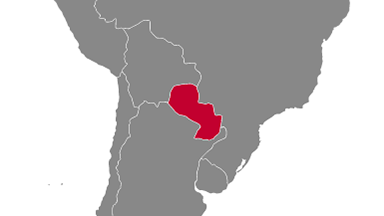
Paraguay is the “Heart of South America.” Located in the center of the continent, it is a country known for the warmth of its people, its tranquil lifestyle, and terere – an ice-cold yerba mate infusion. Home to diverse ecosystems such as the Atlantic Forest, wetlands, and savannas, Paraguay has also seen immense land use changes in recent decades in favor of farming. Deforestation and substandard solid waste management practices have led local partners to identify environmental conservation as a top priority for Peace Corps Volunteers.
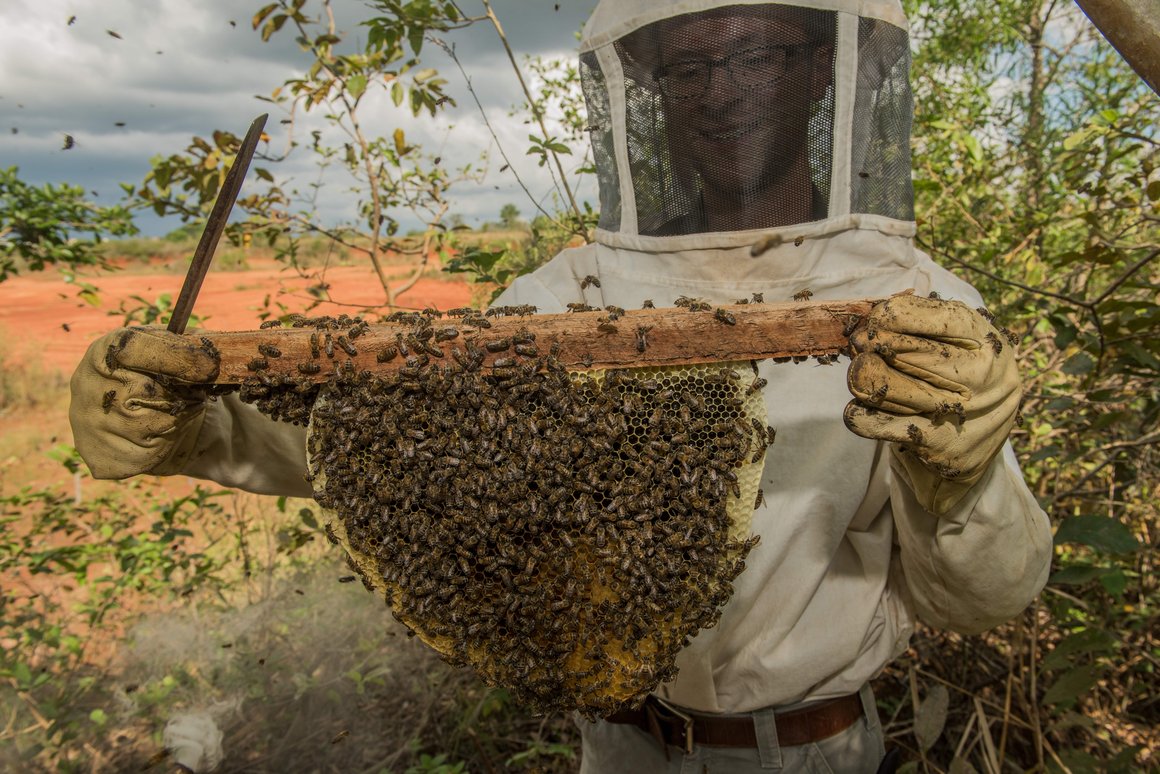
Community Environmental Promoters work in three main areas: environmental education, reforestation, and zero waste.
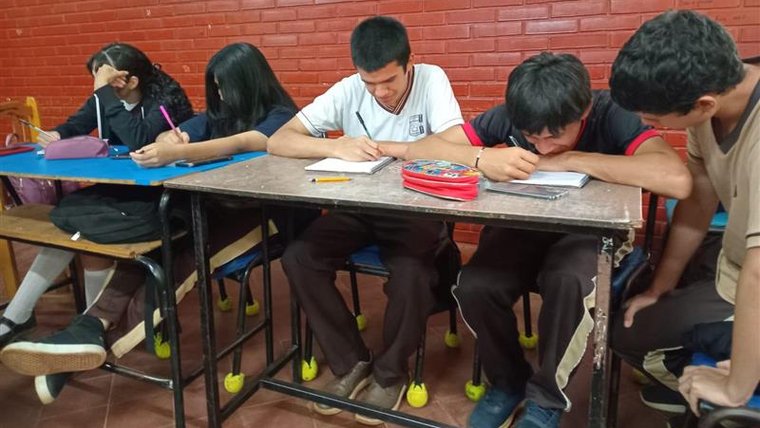
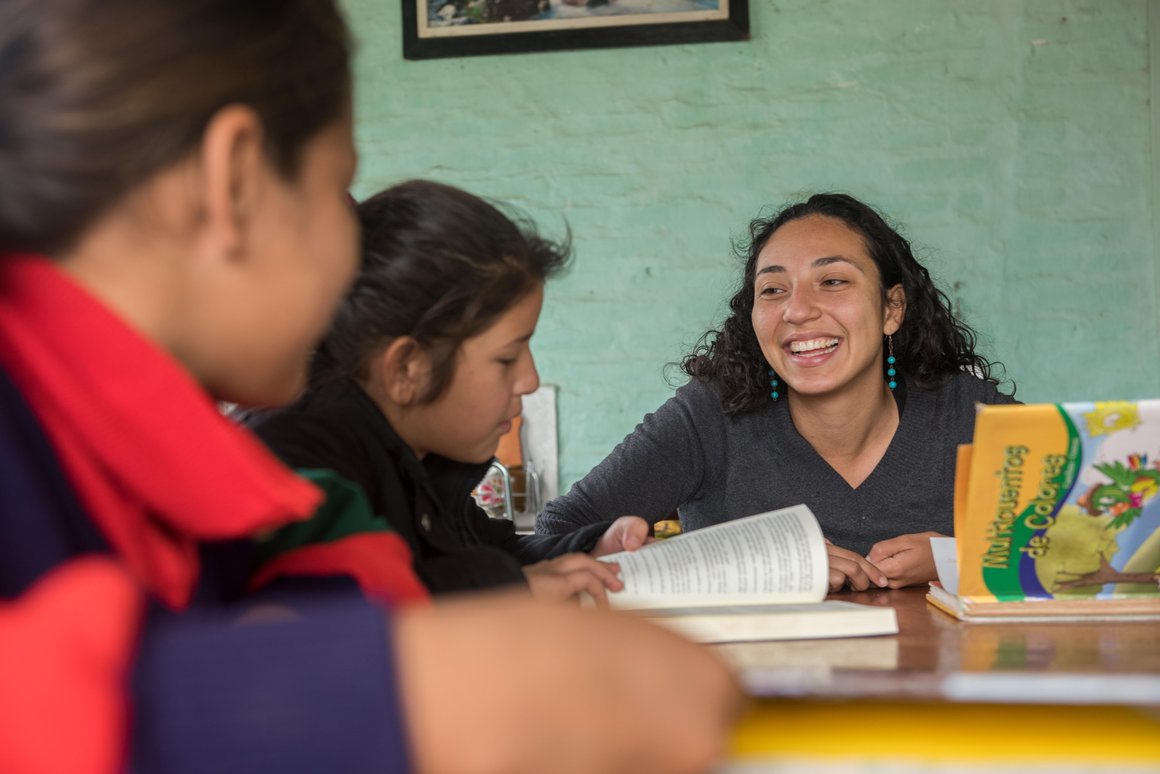
-In schools, Volunteers work primarily with teachers and students in 4th-9th grade, though they may also work with younger and older students. Volunteers co-design, co-plan and co-facilitate environmental education initiatives with teachers, such as celebrating environmental holidays. They also co-implement structured eco-clubs and put on environmental events like Earth Hour.
-Volunteers organize tree plantings with both native and exotic species to address rural, low-resourced communities’ environmental and economic realities. Many Volunteers also work with the Paraguayan Forest Service to start and/or manage tree nurseries.
-To promote zero waste practices through initiatives like Basura Cero, Volunteers may work with municipalities on recycling and waste management and participate in community clean up events.
All Volunteers should feel comfortable working with groups of diverse stakeholders including teachers, youth, farmers, local elected officials, and government/non-government organization workers.
Volunteers facilitate a wide range of activities, and their success depends on their willingness and ability to integrate into the community, speak the local languages, build trust and adapt to the varying needs, ideas and work styles of community members.
Volunteers will receive training to learn how to design, implement, and evaluate primary and secondary project activities. Trainees receive 10-weeks of Pre-Service Training before moving to their communities and then attend additional training events during their two years of volunteer service with their community counterparts.
Learn more about what Volunteers do in country by visiting our Paraguay project page.
Required skills
Qualified candidates will have one or more of the following criteria:
Qualified candidates will have an expressed interest in promoting environmental awareness in schools and communities, and one or more of the following criteria:
•Bachelor of Arts/Bachelor of Science degree in any field
OR
•5 years' professional work experience
Language: There are no pre-requisite language requirements for this position.
Required behavioral competencies
These competencies are essential for all service assignments and are assessed in the application and interview process:
Motivation for and commitment to service
Adaptability and open-mindedness
Problem solving and resourcefulness
Behavioral maturity and professionalism

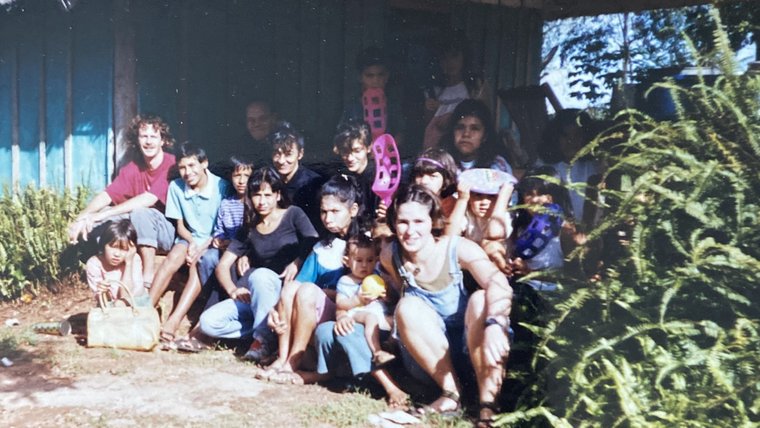
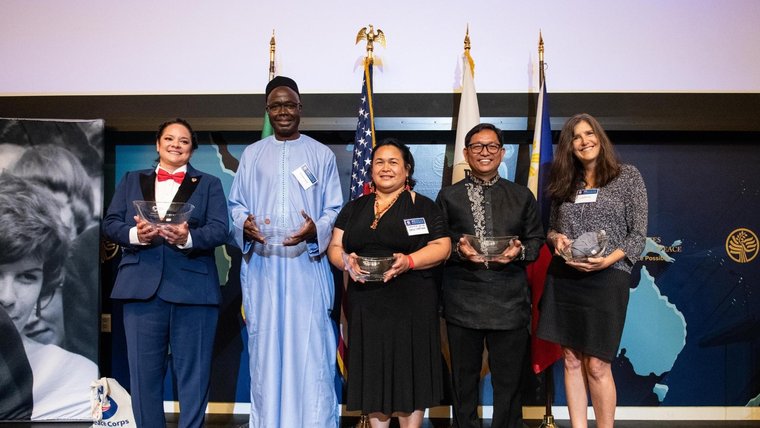
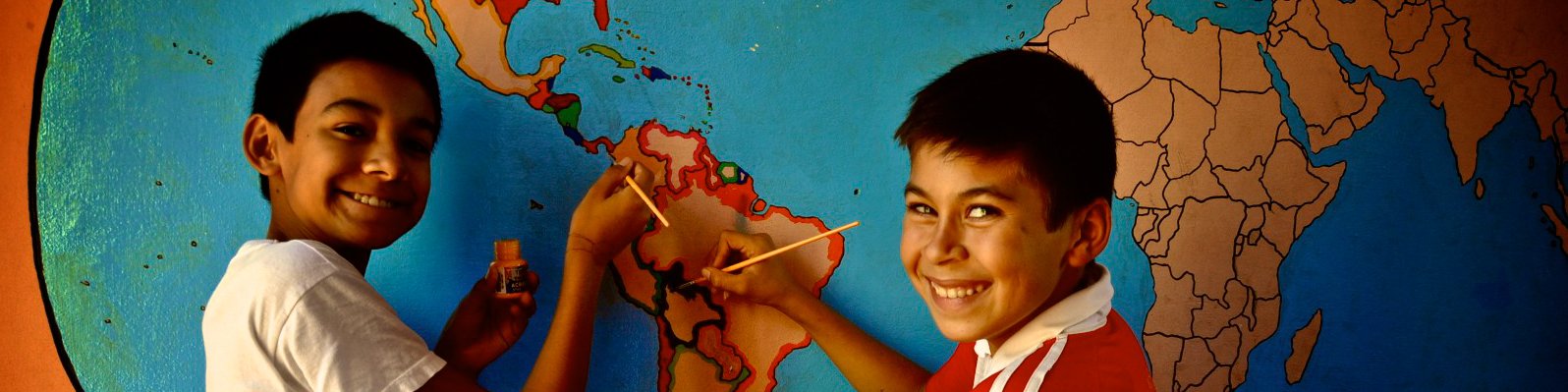
Photos from Paraguay



How you and the community will make an impact together:
Community Environmental Promotors serve in rural villages to towns with populations from just 200 to over 30,000. Each Volunteer is assigned to serve in a community that will be located anywhere between 2 to 13 hours from the capital city of Asunción by public bus.
TRANSPORTATION: Public buses to Asunción from most communities are available, although some places may have infrequent service or require the Volunteer to connect multiple bus routes. Volunteers may need to bike or walk up to 6 miles in heat and humidity.
TEMPATURES: It can get into the 90s (Fahrenheit) with 80% humidity during the summer. The temperature can drop during the winter to be in the 40s (Fahrenheit). Most homes where Volunteers live do not have air-conditioning or heating.
HOUSING/AMENITIES: Volunteers typically have access to electricity, running water and local cell service in the community. However, temporary electricity and running water outages are common in many communities. Reliable Internet and Wi-Fi will be limited or not available in the community. Most Volunteers are within an hour’s of more reliable Internet. People in Paraguay use messaging apps, like WhatsApp that are capable of many functions without requiring access to strong Wi-Fi.
All Trainees are required to live with a host family for the 10 weeks of Pre-Service Training and the first two months of Volunteer service in their assigned communities. Some homes may be very basic, but they have all met or exceeded Peace Corps’ safety and security criteria.
TRAINING: During Pre-Service Training Trainees will receive specific training sessions on cultural differences and community integration that promote a healthy and safe lifestyle. There are training sessions and discussions about specific strategies for integration into Paraguayan culture. Peace Corps provides various training and support services recognizing that each person has a unique combination of cultural, experiences, values and assumptions.
FOOD: The Paraguayan diet is heavily based on meat; therefore, it can be challenging for vegetarians. The diet is also very high in carbohydrates and many meals involve more than one starch at a time (e.g. yuca and pasta or yuca and rice). In many Paraguayan families, manioc and meat are eaten almost daily. Fruits are available seasonally. Most communities have tomatoes, onions and green peppers, but limited access to other vegetables. Some Volunteers plant gardens to increase access to vegetables.
CLOTHING: Working situations range from manual labor in a field to facilitating lessons in a classroom to official meetings in a local government office. Paraguayans place importance on personal appearance, including cleanliness. Paraguayans may be offended by body odor or an unkempt appearance. Therefore, cleanliness and a neat appearance is important for Volunteers who represent the Peace Corps and host partner organizations. It is expected that Volunteers wear business casual clothing as a working professional would in the U.S. Most Paraguayans dress up for special occasions. In schools and offices - including the Peace Corps facilities, - “office casual” is appropriate (nice jeans, khakis, and knee-length skirts; button-down shirts or nice pullover blouses; closed-toed shoes or dressy sandals). Shorts, flip-flops, and tank tops are inappropriate except around the house or for recreational activities.
The pace of life is much slower than in the U.S. and decisions may take longer than one may have previously been accustomed to. Language barriers coupled with indirect communication styles can also pose challenges; however, most Volunteers are able to overcome these with effort and dedication. In general, Paraguayan communities are very welcoming to Volunteers and the program has an overall positive reputation in the country.
Read more about living conditions at: https://www.peacecorps.gov/paraguay/living-conditions
Learn more about the living conditions, including detailed information on culture, communications, housing, and health/crime statistics on our Paraguay country page. You can also delve into stories about local communities by reading our blog or Volunteer stories.
Meet a Volunteer in Paraguay
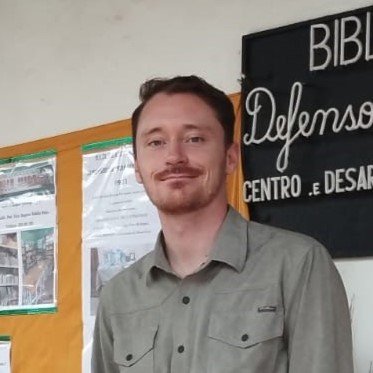
Benjamin D.
Community Economic Development Volunteer
"The highlight of my service so far hasn’t necessarily been my accomplishments or projects but rather the relationships I’ve created with my host family and youth in my community."
See full Volunteer profile
To learn more about serving as a couple in Paraguay, visit the country page.
Application process
From application to departure takes around nine months. Learn about the application process for Volunteer opportunities.
Medical/legal clearance
You will need to be cleared medically and legally in order to serve in Paraguay. Review information on medical clearance and legal clearance to learn about the process.