An official website of the United States government



Malaria prevention and control: Partnering for impact in Eastern Uganda
Malaria in Uganda
Malaria is the leading cause of sickness and death in vulnerable populations around Uganda. In 2022, before malaria reduction interventions in the Busoga region of Uganda, our district had many cases of severe malaria, significantly impacting children under 5 and their ability to go to school. Malaria is a preventable and curable illness that, with community collaboration, can be eliminated through prevention measures such as sleeping under a mosquito net, slashing bushes, planting locally available repellents, removing stagnant water, and promoting awareness. Through working with community leaders and motivated families, we can mobilize people to prioritize the health of other community members.
Community-based interventions and collaboration
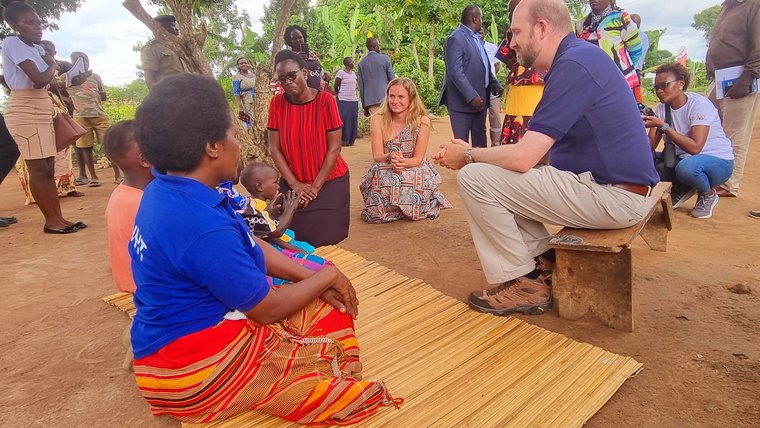
Working through community-based organizations is crucial for sustainability. No one understands community needs and issues better than those who live in the community, so it’s important to support the community in taking the lead for their own well-being.
Naigaga R., a community leader who has adapted malaria prevention measures around her home, advises others to “let the prevention methods we implement at household level such as planting lemongrass do the work. We don’t experience mosquitoes because of simple prevention methods that save lives in our village.”
Becoming a personal stakeholder in the community's future by creating connections, learning from others, and listening can be the most beneficial part of the project.
Educational support at the grassroots level
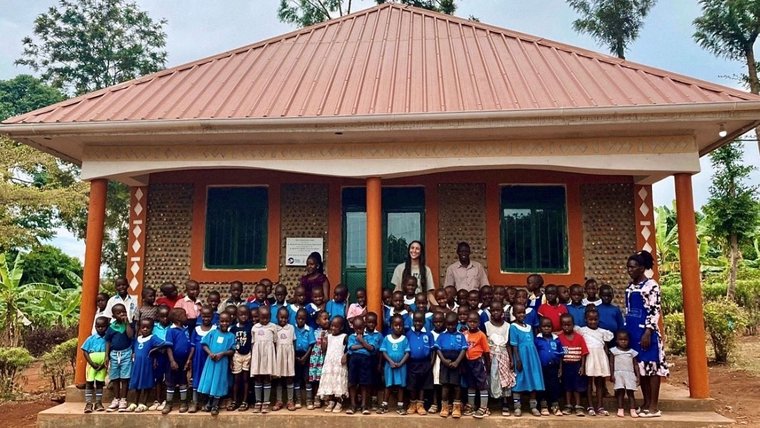
My counterpart and I established a writing club at the local primary school in order to allow students to express creativity and promote awareness of public health issues in their community. The club has enabled me to learn from younger generations, integrate into the community, and give youth an outlet for creative and innovative ideas. We use the grassroots malaria curriculum, a Peace Corps program, where students can learn about malaria through games and discussions and empower the community to implement malaria-prevention measures. Sophie, a student in the writing club, says that as “young leaders in the community, we believe it is our responsibility to fight against malaria by acting as teachers.” Aisha, another student in the club, shares that they are “empowered and ready” to continue the effort to fight against malaria.
"Prevention is better than cure"
A phrase consistently heard in malaria prevention activities in our district is “prevention is better than cure.” This perspective may seem counter to the anticipated goal of ending malaria, but real and sustained change comes from community members taking the initiative to implement preventive measures in order to reduce the severity of malaria in Uganda. These measures can be taken by community members of all socioeconomic levels, educated or uneducated, giving them a sense of responsibility and ownership. Utilizing prevention as a tool will reduce the burden of malaria and free community members from the economic, health, and societal pressures stemming from this disease.