An official website of the United States government




Projects in Nepal
Education
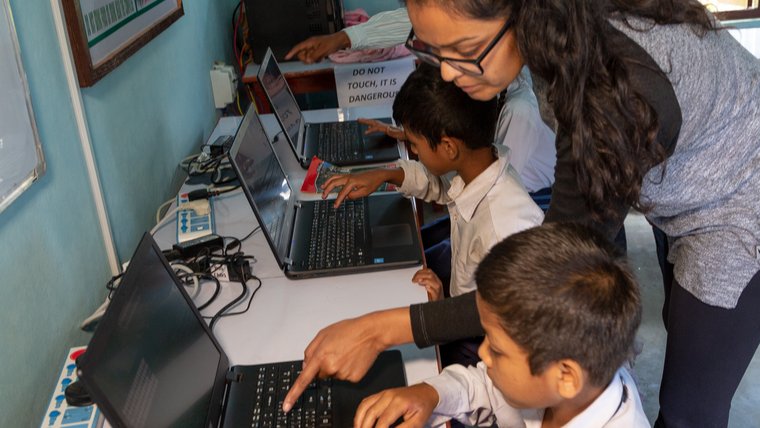
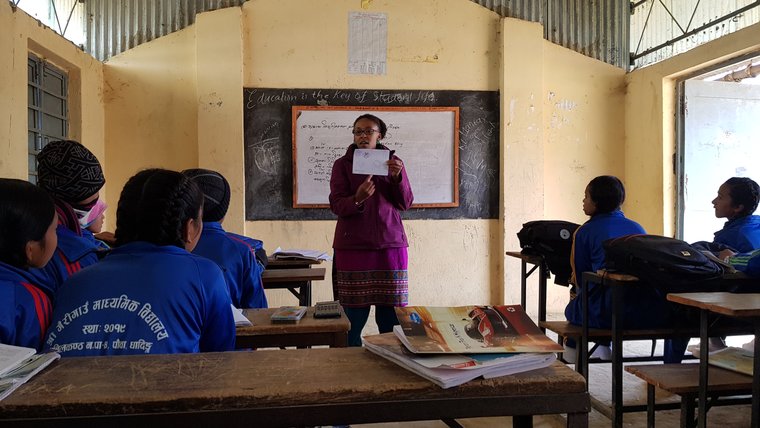
The English Education project aims to enable students to attain communication skills in English necessary to access academic and/or professional opportunities. Education Volunteers teach grades 4-7 English in rural or peri-urban government schools. The project has five primary objectives:
- Strengthen the capacity of teachers to use the English language and English teaching skills more effectively.
- Strengthen the capacity of teachers to empower female students in the classroom.
- Increase the English proficiency of English teachers (as measured through use of classroom procedural English).
- Increase achievement of students in English.
- Increase the ability of community members to support students’ access to learning.
Agriculture
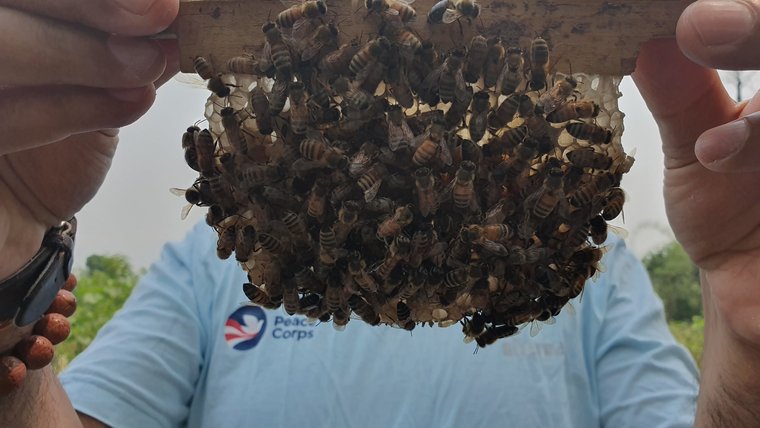
Volunteers in Nepal work alongside host country counterparts to promote food and nutrition security of smallholder farming households with women of reproductive age. The project focuses on environmentally sustainable, nutrition-sensitive activities ranging from fruit tree promotion to mushroom farming, beekeeping, high-value/low-volume crop cultivation, and practices in accessing, cooking, and consuming locally available nutritious foods. The project aims to strengthen the capacity of leading farmers in the community to provide sustainable extension services in and around their rural communities and to improve their ability to implement agricultural-based income-generating activities.
The project promotes female farmer empowerment and supports people from all communities to mobilize their strengths to further positive food security outcomes.
Environment
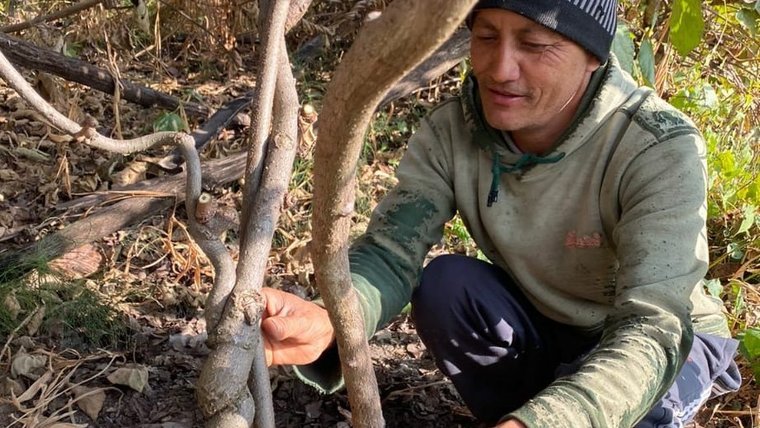
Volunteers in Nepal work to strengthen capacity within rural communities, including that of local youth, to sustainably manage the local environment and the natural resources rural people depend on for sustainable and resilient livelihoods. Volunteers collaborate with government officials, community members, schools, and community forest user groups to support the government of Nepal’s efforts to strengthen community forest management, promote environmental education and awareness, initiate and encourage solid waste management, and facilitate adoption of improved cookstoves to increase biomass energy use efficiency and reduce household air pollution.
The project aims to support communities in sustainably managing their natural resources and increasing their income generated from natural resource sources.
Peace Corps Response
Peace Corps Response Volunteers in Nepal work in three sectors:
- Education. E-learning and e-teaching digital learning and training. Response Volunteers serve in public schools to increase the use and knowledge of technology among students and educators.
- Environment. Eco-tourism promotion and business literacy: Response Volunteers serve in rural communities with potential or growing tourism economies to improve the English language capabilities of business owners and staff and to assist them in developing eco-tourism and business skills.
- Agriculture. Education and research: Response Volunteers work at university or government research centers to support the development of Nepal’s critical agriculture sector by serving as research specialists or laboratory experts. Agriculture Education and Research Response Volunteers work with students, university faculty, and/or government officials.
Other specialties may be added to the Nepal Response Volunteer program in the future based on the needs of the government of Nepal.