An official website of the United States government


The 5 perks of serving as an older Peace Corps Volunteer
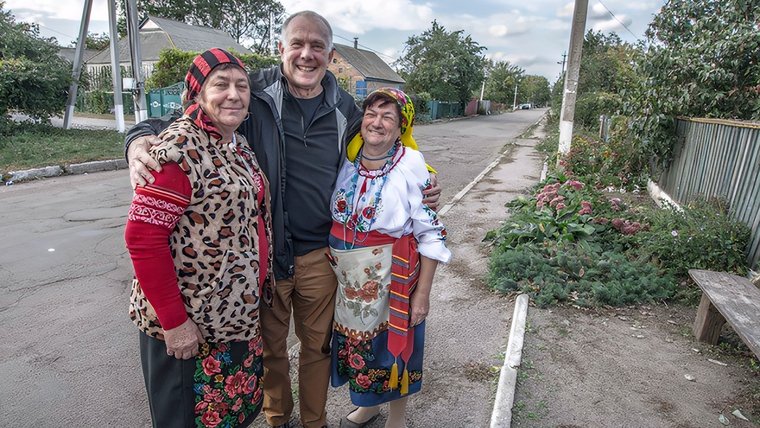
Serving as an older Peace Corps Volunteer is not without its challenges.
Learning a new language, getting used to new routines and cultural norms, serving among fellow Volunteers of different ages: these are challenges faced by all Volunteers, but as an older person, some aspects of service might be more difficult. On the other hand, you may be surprised to discover some perks and special moments of joy that come with serving later in life, as shared by 9 Peace Corps Volunteers below.
1. Your work and life experience will equip you well for service.
“I am a mature professional and I am always growing. I have many ‘tools’ in my repertoire to bring forward – and I need them ALL here. Curiosity and patience, enthusiasm, energy, physical fortitude, and compassion combined with considerable technical expertise all help.”
“I found that my ‘later in life’ service, and my experience as a librarian, prepared me for Peace Corps service in a myriad of ways. I drew heavily on the people skills I’d developed over many years in public service but also drew on my general experiences as a parent and community member. I’d become better, as I aged, at going with the flow. The ability to take a step back, take things in stride—day by day, hour by hour, even minute by minute—was incredibly helpful for life in Myanmar. I think that being confident in myself and my world view allowed me an ease in looking outward—seeing and absorbing everything I could about this truly complex and interesting country I was living in.”
2. You will have instant credibility in many cultures.
“I have been impressed by the respect Thai people offer their elders and how much value is given to their opinion. This appreciation has allowed me to suggest to my counterparts a number of novel approaches, which were very well received and implemented.”
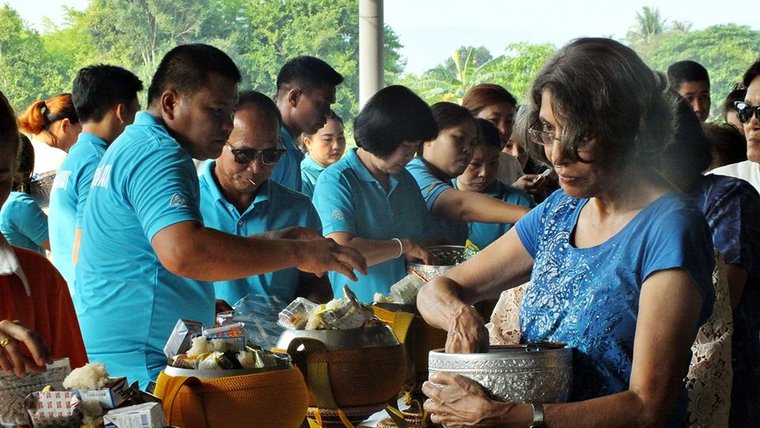
“Being an older American male was definitely an advantage in a society that values elders, and particularly men. This provided instant credibility and helped me connect better with my learners, who were used to accepting advice from older authority figures. It helped me facilitate one-on-one mentorship to budding entrepreneurs who wanted more in-depth consultation or just a safe place to exchange ideas.”
3. You may find that being of service is a gift to yourself.
“… [My] profound belief in the principle of ‘seva’ or selfless service, gave me the awareness of how everything I did — every task, regardless of skill level — was an opportunity to hone my character and be the person that I say I am. As an older Volunteer, I understand that life is a masterwork that takes time to come into focus. The important thing is to be of service.”
—Carole R. (Moldova and Eswatini)
“I believe experiencing a new culture always makes you a better, less selfish human being. I obsess over whether I will be able to give as much as I receive from my service.”
“We joined for many reasons, but mainly because we felt we had received lots of blessings in our lives and wanted to give back. We challenged ourselves for two years, worked hard, and felt like we made a difference.”
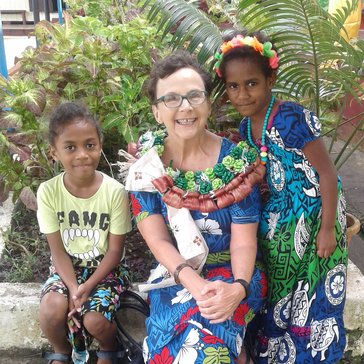
4. You can be a model for active, healthy aging.
“As an older female American, I believe I’m modeling to my host country community how vibrant and alive an older person can be. People here in Fiji have remarked that I am ‘strong.’ Perhaps it’s the good health care I received in the States before I left for service. Or maybe it's that I exercise on a regular basis, which helps me keep up with my community members or younger Peace Corps colleagues… Most people are taken aback by my zeal for life. For example, I started scuba diving 10 years ago, and people in my community are surprised that I am a certified Master Scuba Diver.”
5. You may discover that challenging yourself is addictive.
“If I never would have followed my dream of joining the Peace Corps, I am sure I never would have had the chance to see the world the way I have. By living side-by-side with the people in my villages, walking a little way in their sandals, listening to their worries and dreams and sharing in their happiness, I’ve discovered the true way to learn about life.”
—Paul M. (El Salvador, Senegal, Romania, Namibia and Burkina Faso)
“When I joined the Peace Corps I expected to return home, retire, and enjoy my family. Now I realize that I never want to stop challenging myself and never want to stop learning. As long as I can offer something to assist others, I will attempt to do so.”