An official website of the United States government



The 3 things I wish I'd asked a Peace Corps recruiter before serving
When I decided to apply for the Peace Corps, I was filled with excitement and anticipation. Like many prospective Volunteers, I had a strong desire to make a difference and experience life in a completely new way.
But while I had a general understanding of what the Peace Corps was about, I wasn’t fully prepared for the depth and complexity of the experience.
I certainly asked my share of questions but, looking back, I realized there were key questions I wish I had asked a Peace Corps recruiter before departing. These questions could have helped me better understand what to expect, how to prepare, and what challenges I might face during my service. If you’re considering the Peace Corps, you might have similar concerns. Here are three things I wish I had asked my recruiter.
1. What’s the real day-to-day life of a Peace Corps Volunteer like?
Some of us may have an idealized picture of what being a Peace Corps Volunteer is like. For many, it’s about working with youth, teaching English, or doing community development work. And while those activities are certainly a major part of the experience, the day-to-day realities of Peace Corps life can sometimes be more mundane or challenging than anticipated. While each Volunteer's experience can vary greatly, I wish I had taken advantage of the opportunity to hear about service from an actual Volunteer.
The good news is that there is a wealth of resources for learning more about life as a Volunteer. Recruiters, who are often Returned Volunteers (RPCVs), can share their experiences, or they can connect you with RPCVs who served in your region or country of interest. There are often RPCV groups you can connect with in person or online. The Peace Corps website has many first-person accounts of the Volunteer experience on our blog as well as in the Volunteer Profiles section—where you can easily sort by country and sector to learn what’s happening with Volunteers on the ground.
2. How does the Peace Corps support Volunteer health and safety?
Health and safety are major concerns for anyone considering living abroad, especially in areas where sanitation and healthcare may be limited or different from what we have in the U.S. You may also be in an area where you are exposed to infectious agents rarely encountered in the U.S.
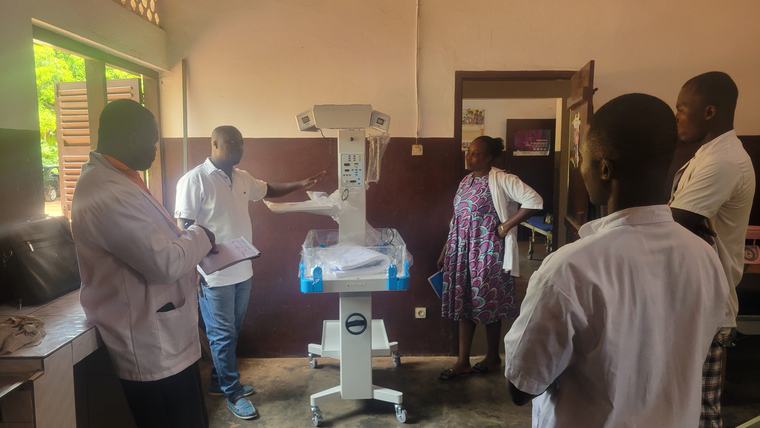
There are many resources available to Peace Corps Volunteers in case of illness or emergency, and all Volunteers receive necessary and appropriate health care during their service for free. You will also receive a country-specific handbook and medical kit containing basic items to prevent and treat illnesses that may occur during service.
Volunteers receive extensive training during their initial three months and throughout their 27 months in-country, including training specifically focused on personal health and safety/security. Additionally there are medical and safety/security officers available to Volunteers throughout service. While Volunteers must be proactive in stewarding their own health, the Peace Corps does provide education, supplies (bed nets, insect repellant, etc.), medications, and all necessary vaccinations. Learn more about medical care and safety and security during service.
3. How do I prepare for the cultural differences I will encounter?
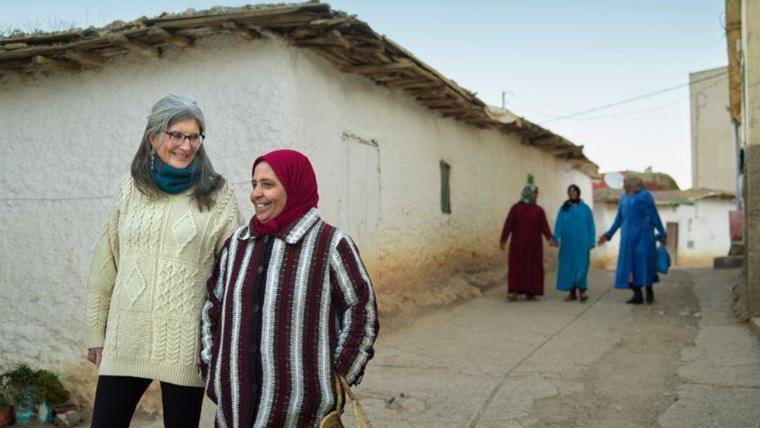
I wish I had asked a recruiter more about the specific challenges of adapting to a new culture and how to prepare for those challenges. While the Peace Corps does provide three months of in-country training in language and culture before service begins, learning about a culture is not the same as living it day in and day out. Understanding and adapting to the nuances of social norms, work expectations, and interpersonal relationships can be difficult, especially when they may be very different from what you’re used to.
A recruiter (and other RPCVs) can provide concrete advice on how to mentally and emotionally prepare for “culture shock” before you depart. Each host country has a webpage called “Living Conditions” that provides helpful information about local norms and conditions. All Volunteer Profiles touch on strategies for successful integration.
Finding support during service is also key. The Peace Corps embraces an approach that encourages humility and reflection while navigating service and collaborating with other Volunteers and those we work alongside overseas. The resources available to you during your journey include Peace Corps in-country staff, your counterparts, fellow Volunteers and various staff/Volunteer groups in-country.
More questions? Connect with a recruiter
By asking the right questions up front, you can better prepare yourself for what lies ahead. If you're considering Peace Corps service, make sure to ask and learn about cultural preparation, the practical realities of day-to-day life, the specifics of health and safety support, or anything else you may feel uncertain about. There are many resources to help you gain a more complete understanding of the commitment you're about to make and set you up for a successful and fulfilling service. If you have questions about any issues discussed here—or other nagging concerns—don’t hesitate to reach out to a recruiter to get your questions answered.