An official website of the United States government


Strong women
Tomboy
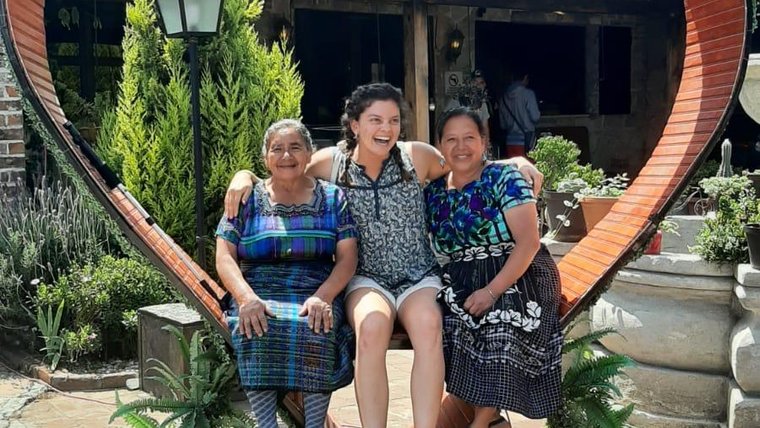
When I was growing up, people told me I was a tomboy. They said that after seeing my dirt-smudged face, my hair full of knots, my knees and elbows kissed with scrapes. They chided me for robbing my mother of a daughter who'd sit quietly and allow her hair to be braided. But my mom always laughed at these comments; she didn't know how to braid hair. She also identified as a tomboy.
My strong mother
I had a single mom for most of my childhood, and she showed me what it meant to be a strong woman. She was fiercely opinionated; while she accepted help, she never took advice. She was willful, unapologetic, and often lonely. She never dated and had few friends. She taught me that strength is isolating for women, but that we must be strong anyway.
I carried that idea throughout my life into college, where I found myself surrounded by women who reinforced it. They were working on their PhDs or managing entire departments at their companies. They dated casually, they focused on their career ambitions, they didn't plan on having kids. These women were strong; the only type of strong there was.
My other strong mother in Guatemala
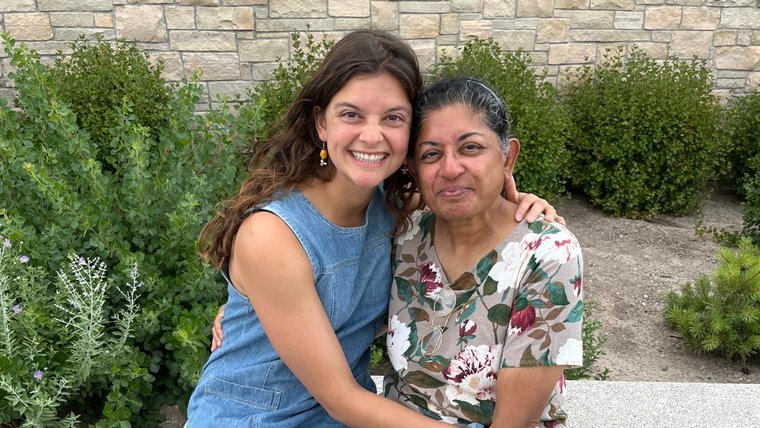
This idea—by now an infallible truth—followed me to Guatemala, where the Peace Corps invited me to serve as a Volunteer. I completed training and moved in with a charming host family, 14 people big. My host mom was a woman named Mimi in her late fifties, and she would come to love me like a daughter. And I loved her back. Mimi, like my own mom, was deeply independent; she had no partner, her kids were grown, and she rarely shared her plans with anyone before leaving the house for the day. Mimi and her mother, my abuela (host grandmother), ran the town's most trafficked street food business, selling enchiladas. This business liberated them. It made them strong, generous, happy, and busy—but also lonely. I found it easy to love them.
My host sisters
My three host sisters were different. They were stay-at-home moms without any substantial income of their own. They each had husbands who worked long hours outside the house, and small kids who sowed chaos whenever they got the chance. These women woke up early to wash and cook and clean; to help their kids with homework; to resolve their playtime arguments and tidy everything up before the men returned at day's end. My sisters rarely left the house, and I worried about them. I didn't like that they were dependent on faithful but distant partners. I didn't like that they had no hobbies and few friends. I believed that they had chosen submission to a way of life that is only successful when women are weak. That made me irate. And it made me fearful.
Watching and learning
But, with no real authority and little capability of communicating my concern at the time, I decided to simply be present and observe. My quiet coexistence in those early days revealed things to me that I never expected.
To start, I saw that my host sisters were artful in how they shared household jobs and pooled resources. They watched each other's kids, they ran each other's errands … they accomplished much more in a day than my single, isolated mother was able to do when I was growing up. And their kids benefitted from that. And because they spent so much time together, these women were each other's best friends. They knew one another better than anyone knew Mimi or my abuela. Lastly, what I had initially interpreted as them waiting hand and foot on their husbands I realized was a reciprocal desire to spend time with partners who weren't around much. My host brothers-in-law are some of the most honorable men I've ever known. And even after years of marriage, they are still charmed by their wives, and grateful to them. They are right to feel that way.
A new kind of strong
I love my host sisters because they showed me a new kind of strong. One in which women reject isolation and aren't fearful of interdependence. One in which all endeavors—the traditional and the modern—are valued alike. One in which the strength of one member empowers the group.
I didn't know my service would teach me that. I thought I began service as strong as a woman could be. It has been a privilege and a joy to be proven wrong—to have learned a new kind of strong.
Sarah's story was selected as a winning entry in "Tales of Transformation," a Peace Corps Week 2025 storytelling contest that showcases the changes individuals and communities can experience when the power of human connection is shared worldwide.