An official website of the United States government


Serving in the Peace Corps 20 years later: The same or different?
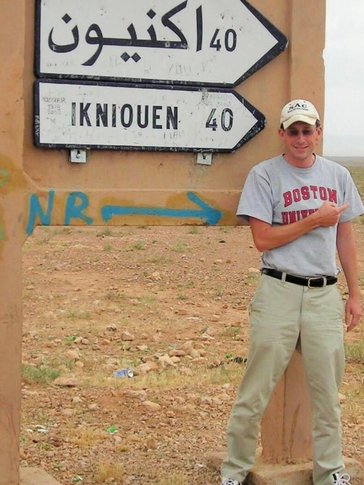
In my twenties, I was a two-year Peace Corps Volunteer in Morocco. I served as a Health Educator, teaching rural middle school students about health and hygiene.
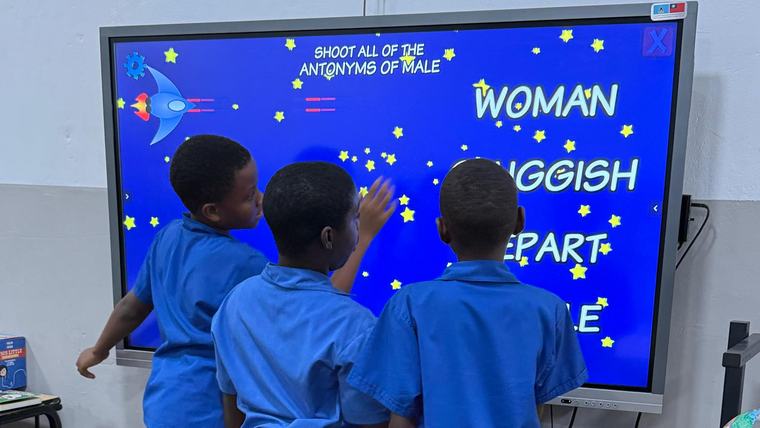
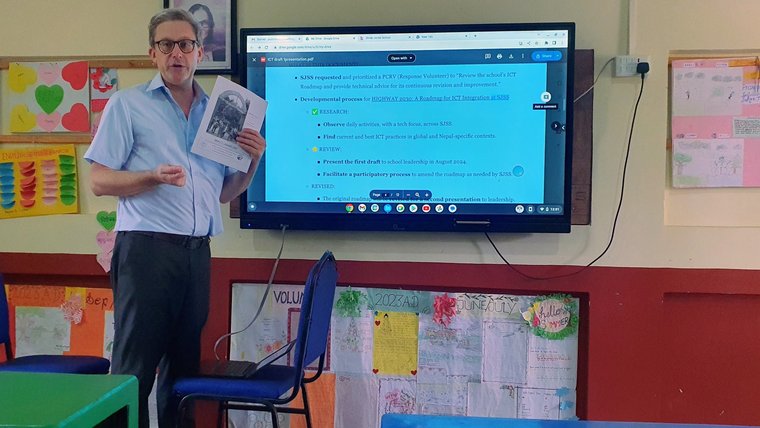
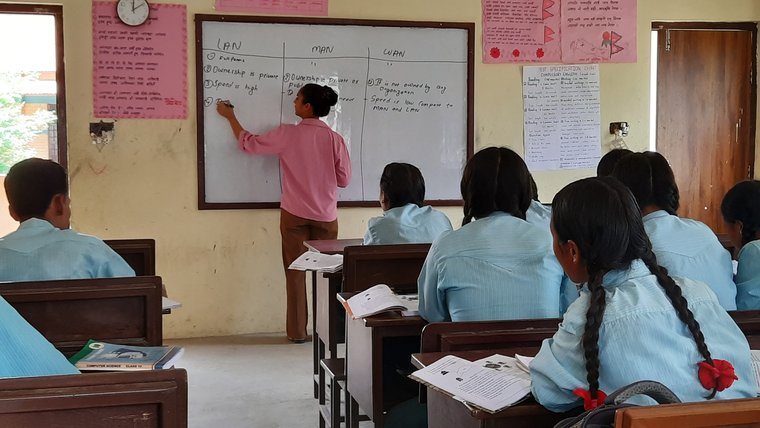
When my forties rolled around, I had the opportunity to volunteer for nine months with Peace Corps Response in Nepal. After 24 years of teaching, I was at a point in life where I was able to step back from the traditional classroom in the U.S. Joining the Peace Corps has been the perfect match. I explain my role as "an experienced teacher supporting Nepali teachers to teach better." I have a specific mandate to focus on integrating information technology in the classroom and we do that through peer coaching and faculty-wide trainings. I love every day.
Morocco and Nepal are different in many ways: culture, geography, and history only begin the list. Volunteer life in the two countries can be very different, too. Despite clear differences between the two host countries and the types of positions, I have found that the personal experience of volunteering with the Peace Corps has, in many ways, stayed the same. Here are three differences and three similarities between my two Peace Corps experiences.
Differences
- I am more realistic now in estimating what I can accomplish. As a younger Volunteer, I felt confident that I could move Morocco’s Atlas Mountains to improve life in the host village. I can see that enthusiasm in two-year Volunteers today, too. Now, as a seasoned professional, I set more reasonable expectations. Managing expectations is crucial for all stakeholders in asset-based community development.
- I am more content now to be alone with myself than I was before. As a Volunteer in the 2000s, the extent of my technological connectivity was a cheap cell phone and weekly visits to the internet cafe. Today, I have a laptop and Wi-Fi at home along with both U.S. and Nepali smartphones. It’s much easier to feel connected today than it was before, although plenty of quiet times remain. Now that I’m older, I feel more comfortable when alone, reading or writing.
- I listen better now than I did previously, and that’s really important in our mission of fostering friendship and helping communities to meet their own goals. I’ve arrived at Response service with more patience and an ability to listen to community members’ stories rather than offer all my ideas up front. I find collaborations more fruitful because of this patience and listening.
Similarities
- Confusion still surrounds work and life in the Peace Corps—and that’s okay. Whether it’s asking for three carrots and receiving three whole kilograms of carrots, or if it’s completing the office paperwork for annual leave, a common denominator across both experiences has been simple, and sometimes humorous, confusion. It’s the kind of confusion, however, that leads to lifelong learning and skill development.
- The “wow” factor remains alive in the Peace Corps after my years away. The wow factor is when you look out your window on an August morning to see snow-capped Himalayas in the distance, or when you watch the sun set over the Sahara and paint the sky scarlet like you’ve never seen before—and say “wow.” Being a guest in a new country fashions all Volunteers as vulnerable, but that vulnerability also opens us to the diversity of experiences—both wow and woah—before us.
- Joy is still joy wherever you go. Whether exchanging greetings in the bazaar, dancing at a wedding, or lighting candles on festive holidays—sharing happiness and affection despite differences of language, custom, and belief remains the same. Nurturing that joy and fostering friendship has been at the heart of the Peace Corps’ mission since 1961. May that friendship continue in Nepal, Morocco, and the 60 other countries where Volunteers of all ages serve today.