An official website of the United States government



Peace Corps Volunteer or Peace Corps Response—which is right for me?
Peace Corps offers several ways to serve to best meet the needs of host communities as well as utilize the skills of Volunteers.
Are you considering serving as a Peace Corps Volunteer or Peace Corps Response Volunteer, or participating in the Virtual Service Pilot? If you’re ready to explore which option is right for you, take this 10-minute Find the Right Fit quiz!
Let’s take a deeper dive into some of the differences between Peace Corps Volunteer service and Peace Corps Response service, our two in-person programs.
Length of service
Peace Corps Volunteer service is 27 months, which includes three months of training and two years of service.
Peace Corps Response service ranges from 6 to12 months. Response service is shorter because Volunteers bring specialized skills that allow them to complete high-impact assignments in a shorter period of time.
Education and experience
The baseline requirements for any Peace Corps service are that Volunteers must be U.S. citizens and at least 18 years of age. There is no upper age limit for service.
Peace Corps Volunteer positions don't always require a bachelor’s degree, and many treat years of experience or a combination of an associate's degree and experience as equivalent.
Peace Corps Response positions require more specialized experience. Most positions require at least 5 years of relevant work experience in addition to required degrees or specialized certifications. Some positions have a language requirement as well, as no language training is provided once you arrive in your host country.
Training
Peace Corps Volunteers receive three months of in-country training at the beginning of their service. Training includes language, culture, and sector-specific training to equip Volunteers with the cultural and technical skills they need to start their journey of service!
Peace Corps Response includes a brief in-country training. This training typically lasts up to two weeks and includes training in Peace Corps’ safety and medical policies as well as a brief overview of local culture. Response Volunteers are expected to arrive in their host country with the language and technical skills required for their position.
Benefits
Volunteers participating in either program receive many financial and other benefits! All Volunteers receive a monthly living allowance that covers daily living expenses, and Peace Corps covers housing, transportation to and from country, and necessary and appropriate medical and dental care during service.
Volunteers in both programs also accrue a service award that is paid out upon completion of service, with Peace Corps Volunteers accruing $400/month and Response Volunteers accruing $500/month.
Peace Corps Volunteers are eligible for student loan assistance and federal hiring advantages as well as tuition discounts and more through the Paul D. Coverdell Fellows Program. If Peace Corps Response Volunteers serve for 12 months, they are eligible for these benefits as well.
Connections in country
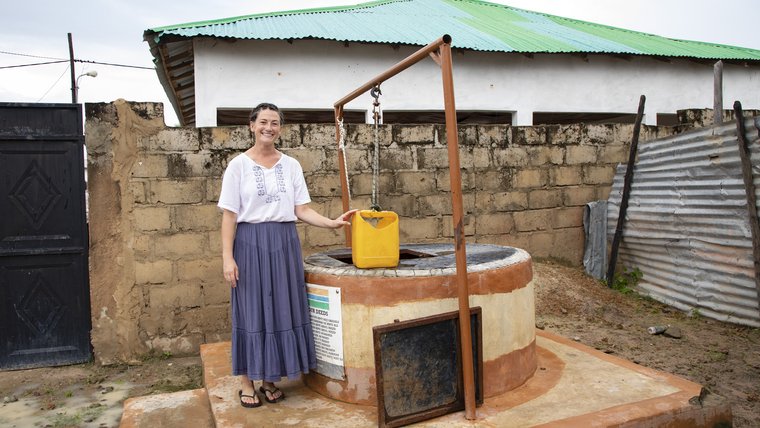
Both programs emphasize cultural exchange and connection while in country. As Volunteers engage in work on their sector-related project, they spend time sharing about their own culture. They also share their host country’s culture with friends and family back home.
Peace Corps Volunteers typically are placed in rural areas of their host country, and their first several months of service are spent learning about the culture and the ways of their new community. Volunteers are fully immersed as they build language skills and deep, long-lasting bonds with their host community.
Serving as a Peace Corps Response Volunteer is a great way to build a language foundation or strengthen existing language skills while engaging in your host country. Response Volunteers are typically located in more urban areas and work closely with government, academic, or nonprofit organizations to strengthen capacity. Response service is a great way to share specialized skills while also engaging in cultural exchange.