An official website of the United States government



Empowering learners, enriching lives: Intercultural teaching in Kenya
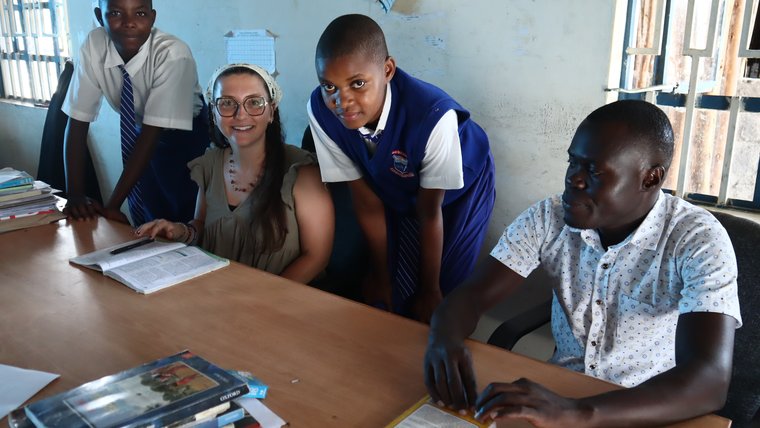
Teaching STEM subjects to Kenyan students
I’ve been living and teaching in Kenya since December 2023, serving as a chemistry and biology teacher at a school in western Kenya. This year, I am teaching form one students (the equivalent of ninth graders in the U.S.). Next year, I’ll move up with these students and teach form two. In addition to these courses, I develop other activities at school, including holding teacher technology workshops, coaching Grassroot Soccer, securing book donations, and doing community outreach to secure educational funding.
Kenyan vs. American classrooms
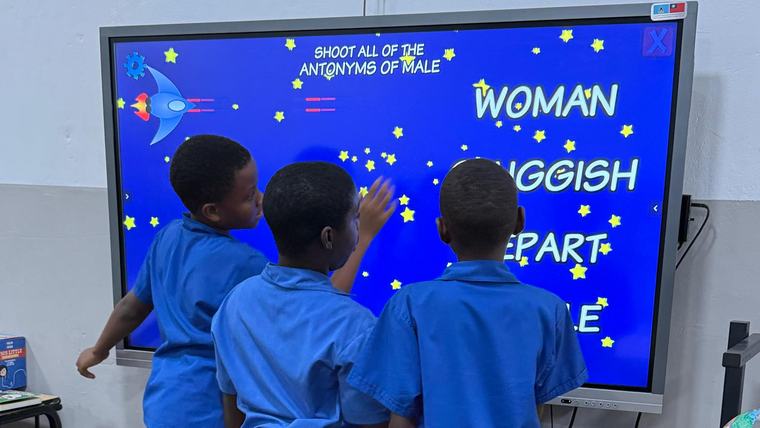
A big difference between American and Kenyan schools is classroom set-up. In most high school classrooms in America (like the ones where I taught in Georgia, prior to service), teachers stay in their room while students rotate to different classrooms. In Kenya, students stay in the same room while teachers rotate. Rather than being isolated in their own rooms teachers share one workroom, allowing me to forge strong bonds with my Kenyan colleagues.
Another difference is curriculum. The current Kenyan education system prioritizes examinations, with the KCSE exams at the end of form four (grade 12 in the U.S.) determining students' futures. In America, there is a greater emphasis on critical thinking, creativity, and practical skills. However, Kenya is moving towards a more learner-centered approach called competency-based curriculum (CBC).

Classroom challenges
Ensuring that students understood my lessons was an early challenge. English is the primary language of instruction in secondary schools. This can pose a problem for form one students as this is their first year away from primary school. In lower primary education (grades 1-3), Kiswahili is the primary language of instruction. The influence of Kiswahili, and sometimes local languages, often persists into the upper primary grades, so students may struggle to comprehend English, which is the primary language of instruction in secondary school. To overcome the language barrier, I spoke more slowly and wrote most of what I said on the board.
The rewards of teaching in Kenya
One of the most rewarding aspects of teaching in Kenya has been encouraging students to become more outgoing in class. It is traditional for students to be very quiet and studious throughout the school day. Students often shy away from participating in classroom discussions or take many learning risks for fear of being wrong. My first few weeks of teaching in Kenya were a stark contrast to the chaotic American classrooms I was accustomed to. Faced with 50 students silently staring at the board, I realized that active participation might not be the norm. It took time, but by fostering trust and demonstrating that learning can be messy, we have cultivated a classroom culture where students feel empowered to explore and learn.
My counterpart Peter
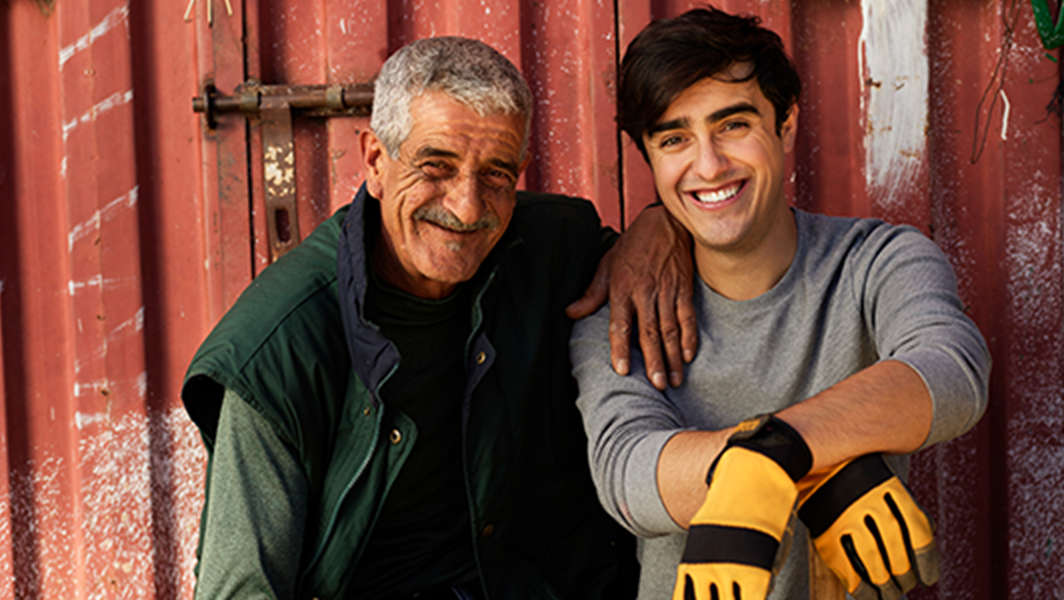
Peter, a physics and chemistry teacher at my school, is my counterpart. He lives in my community and works alongside me. Peter has been a tremendous source of support during my initial teaching experiences in Kenya and has played a crucial role in helping me integrate into the school and local community.
Peter is also a fantastic resource for finding alternative resources to teach students. STEM subjects require more practical examples than other areas, and many schools in Kenya lack appropriate materials for demonstrations. In addition to finding resources, Peter, Principal Richard, and the Board of Management have worked with me to apply for a Peace Corps Partnership Project grant to refurbish and restock the school’s science laboratory. You can engage with this grant by accessing www.peacecorps.gov/donate, clicking on "Volunteer projects," and searching by keyword "Walker."
My ongoing journey
My journey as a STEM educator has taken an exciting turn in Kenya. While the challenges are different from those I faced in the U.S., the rewards are equally, if not more, significant. Seeing my students embrace a more interactive learning style has been incredibly fulfilling. Working alongside my counterpart Peter has been invaluable. Together, we are constantly seeking new ways to engage students and bring the excitement of science to life. Teaching in Kenya has reaffirmed my passion for education and intercultural exchange. As I reflect on my experiences, I am excited for personal and professional growth in the coming year.