An official website of the United States government




8 things to do in college for a competitive Peace Corps application
The application process to become a Peace Corps Volunteer is competitive, with most positions requiring a bachelor’s degree or at least 5 years of professional experience.
It’s never too early to start preparing to stand out as a strong candidate. We share 8 things you can do before graduating college to strengthen your resume and increase your chances of receiving an invitation to serve.
1. Do your research
Complete our quick Find the Right Fit Questionnaire to receive a recommendation on which of the three ways to serve best fits your interest and experience. Based on your results, look at the available positions for a better understanding of the required skills. Read the Peace Corps blog, Volunteer profiles, or find a local RPCV group near you to hear what it’s like to serve.
2. Gain intercultural competence
If your college has a high international student population, there may be opportunities to mentor or get involved in activities designed to help these students feel at home. You can strategically use elective credits to demonstrate a curiosity for a different way of life—think summer study abroad trips or courses on African history.
3. Participate in the Peace Corps Prep Program
Your school may offer this certificate program, which integrates coursework with hands-on experience and professional development for undergraduates to develop skills that support the fieldwork of a Volunteer. Upon completion of the program, students receive a certificate that can be included in their application. Read Hannah’s story of completing Peace Corps Prep and going on to serve as a Volunteer and then check out the list of participating universities.
4. Study a language
Some countries require applicants to meet language requirements to even be considered for a position. Studying languages, such as Spanish, French, and Portuguese, can help you be considered for those countries. In these cases, candidates must demonstrate language proficiency either by uploading college transcripts or passing a College-Level Examination Program (CLEP) exam to receive an invitation. While sign languages differ from country to country, studying American Sign Language (ASL) can also enhance your resume.
5. Connect with your local community
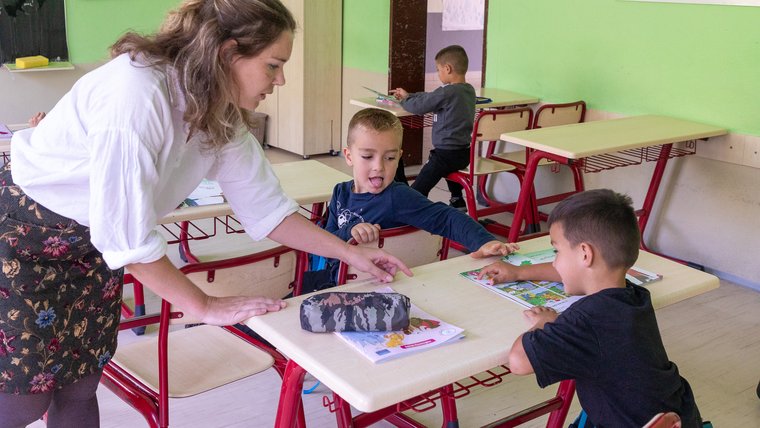
Find opportunities to get involved in your community to gain experience. For example, working as a summer camp counselor will provide experience leading engaging activities for young people. Other options could be volunteering at a community garden, a local library, or a nursing home.
Learn how these 6 Volunteers gained experience prior to serving.
6. Workshop your motivation statement
Much like other professional opportunities, the Peace Corps requires a motivation statement from applicants. There are tips for writing the motivation statement available online, but you could also visit your university’s writing center for additional editorial support for a powerful, error-free statement.
7. Polish your resume
After you research Volunteer positions and build relevant skills, create your resume using these tips and suggested template. You can also take your resume to your college’s career services center. These centers usually offer free assistance reviewing resumes and preparing for interviews, which can prepare you for Peace Corps’ interviews should you be under consideration.
8. Connect with a recruiter
Just before graduation, connect with a Peace Corps recruiter for personalized guidance and support throughout your application process. They can help you choose between the two application approaches: applying to a specific position or serving where you are most needed. Our placement officers offer insider tips, too.