An official website of the United States government


7 unforgettable experiences of a Peace Corps Volunteer in Ecuador
A main reason I wanted to serve in Ecuador is its vibrant cultural and natural diversity. In 8 hours, you can travel from sunny white sand beaches on the coast, through the breathtaking heights of the Andes, to lush Amazonian forests. I serve in the humid cloud forest of the Upper Amazon Basin, where there are cultural influences from both the Andes and the Amazon. This place has given me 7 unforgettable experiences during my service:
1. Making jugo de caña
I joke with friends in Ecuador that I’m just a girl from the city, so making jugo de caña (sugarcane juice) by hand on my friend Rolando’s farm was a special experience. To make this popular and refreshing juice we used machetes to chop down sugar cane, broke it open with rocks, and then cranked it through a wooden machine to obtain juice in the bucket below. After straining the juice and adding lemons from a neighbor’s tree, it tasted exactly like lemonade. We enjoyed the juice with his family, gazing at palm trees in the sun.
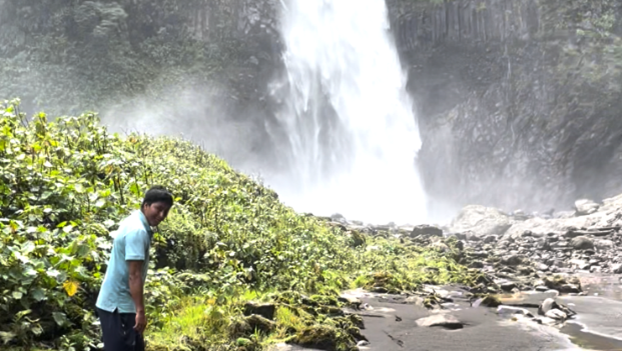
2. Lunch by Cascada Mágica
I serve in the rainiest region in Ecuador, which means there’s no shortage of waterfalls. After a long morning of teaching English, my friends and I drove north to a 160+ foot waterfall in a canyon surrounded by palm trees and thick foliage in every shade of green. We cut tomatoes and onions on the riverbank, surrounded by the smell of our rotisserie chicken. After eating lunch on a makeshift table of rocks and sharing tales of the famous waterfall, we ventured closer to enjoy its strong breeze, said to have energy cleansing properties. Soaked from the mist of the waterfall and sated with food, we returned to the car content.
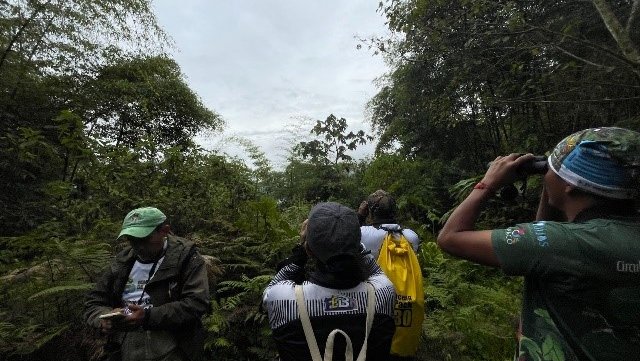
3. Birdwatching in the Quijos Valley
The Upper Basin of the Ecuadorian Amazon is a mix of cloud forest and rainforest—the perfect environment for bird life. With over 250 bird species in the Quijos Valley, birdwatching is a popular activity I’d never engaged in before. Some of my best friends here are expert birdwatchers who have taught me where to see birds and how to identify birds by sight and sound. I spend most weekends waking up at 4 a.m., armed with binoculars and tall rubber boots, and surrounded by dense forest, clouds, and bird calls. Bonding with my community over seeing my first Emerald toucanet or Andean cock-of-the-rock are memories I will cherish for a lifetime.
4. Making encebollado
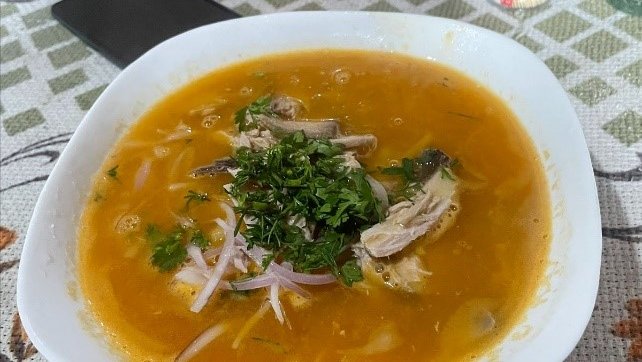
Whenever my students ask about my favorite Ecuadorian dish, the answer is always encebollado. Popular throughout Ecuador, this rich soup features albacore tuna, yuca, red onion, and cilantro. A student’s family invited me over after school one day to learn how to make the soup, knowing that I love it. A labor of love, it took two hours of boiling yuca, albacore, and spices to make a fragrant stock while we chatted over ice-cold Coca-colas. We mashed the yuca, shredded the albacore, and sliced red onion, constructing our bowls with a sprinkle of cilantro on top. My service will come to an end, but I will take a part of Ecuador with me by sharing this delicious recipe in the U.S.
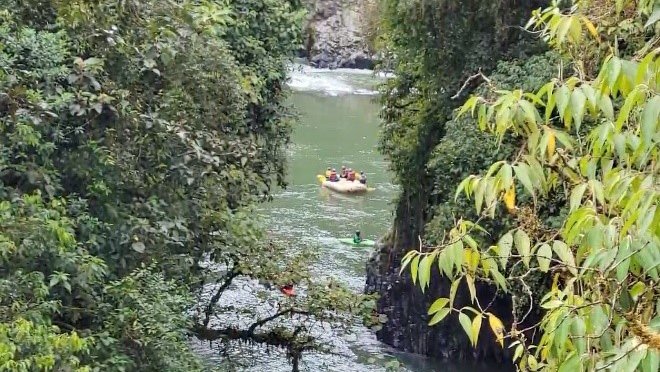
5. Going whitewater rafting
A world-renowned river, Rio Quijos is a hub for whitewater sports in my community, and many of my friends are rafting guides. One weekend a friend invited me to raft, so of course I dropped everything to join! We drifted through steep canyons surrounded by deep green foliage and then rowed through dramatic class IV rapids. After pulling our boat out of the river, we barbequed marinated meats and feasted on plantains stuffed with local cheese to refuel our exhausted bodies, while recalling our adrenaline-filled afternoon.
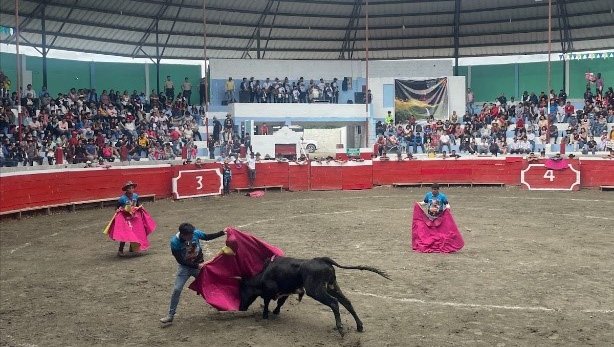
6. Attending my first bullfight
Rodeos are very popular in my rural community, and experiencing my first rodeo in Ecuador was unforgettable. Sitting in the dusty, damp arena with my friends, as the beat of Ecuadorian bomba filled the space, we watched bullfighters twirl pink and yellow capes in front of charging bulls. The cheers from the crowd drowned out announcers as the bullfighters evaded deadly horns with practiced ease. After being reassured that no bulls are killed during the event I was able to relax a bit. I cheered and gasped as the bullfighters made death-defying dodges. Attending my first rodeo made me fall in love with rural rodeo culture!
7. Drinking chicha on the Rio Napo
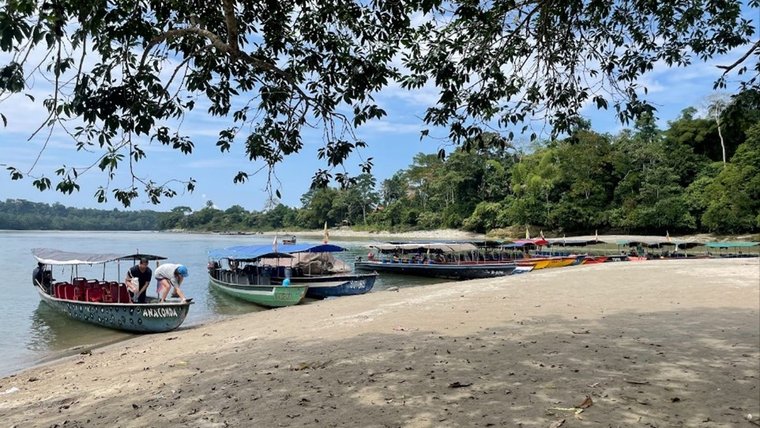
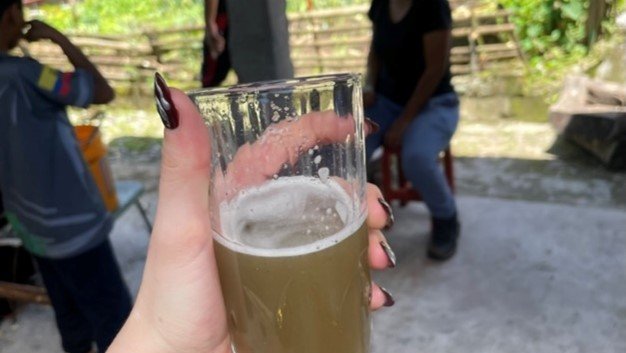
On a visit to a tiny village on the Rio Napo, I trekked with a friend in the nearby forest. After our trek a couple of children brought us chicha, a popular fermented yuca drink, while we waited for a canoe to take us back. We refreshed ourselves, answered the children’s questions about the U.S., and watched small waves from the motor-powered canoes lap at the bank. When our canoe arrived, we boarded, waved goodbye, and watched the children become two tiny specks on the banks of the vast river. Sharing food and stories with the children was a special moment that embodied what service is all about.