An official website of the United States government


6 reasons teachers make great Peace Corps Volunteers
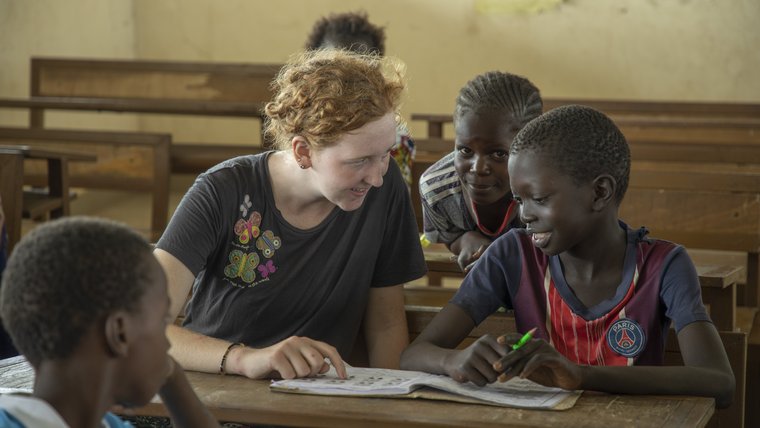
Did you know that almost half of Peace Corps’ Volunteer positions are in our Education sector?
Each country that chooses to partner with the Peace Corps designs positions that meet the specific needs of their communities, and most have at least one Education-related position.
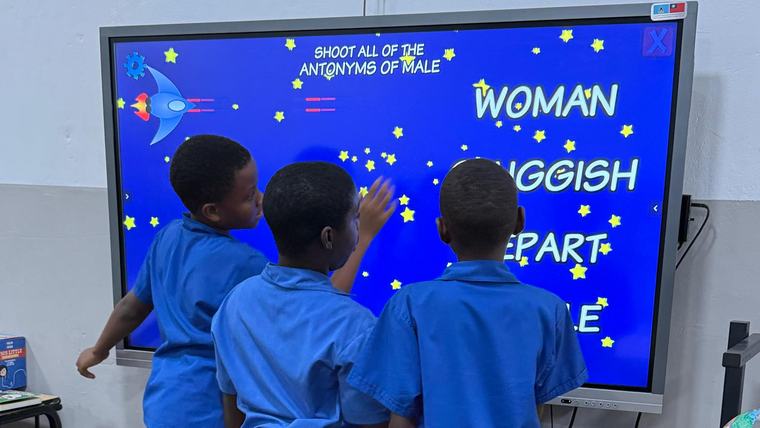
Peace Corps Education positions focus on topics like literacy instruction, math and science tutoring, special education, deaf education, and teaching English as a foreign language (TEFL). Peace Corps Volunteers can work with students from preschool through college!
Peace Corps service is a fantastic way for current or former teachers to use their skills and experience in their host communities. A key part of a Peace Corps Volunteer’s project is sharing their specialized skills with their counterparts. Here are 6 reasons current or former teachers make great Peace Corps Volunteers:
1. Technical skills
Most teachers in the U.S. have a bachelor’s degree, and many have a master’s degree. Teachers in the U.S. also undergo extensive professional development throughout the school year. Peace Corps service is a great way to share technical skills in curriculum planning, child development, best teaching practices, classroom management, and more with teachers in host countries!
2. Leadership skills
Many teachers in the U.S. have experience mentoring student teachers or student leaders within their school. Teachers also often serve as team leaders and on leadership panels in their schools. Peace Corps Volunteers frequently take on leadership roles, including leading trainings and workshops in their schools and communities.
3. Communication and connection
While each Peace Corps project has goals and a clear focus, each individual community will have different needs and goals. Peace Corps Volunteers spend a significant amount of time at the beginning of their service getting to know the strengths and needs of their communities. Teachers are adept at getting to know each individual student they serve and, as Peace Corps Volunteers, teachers are highly skilled at building relationships with their community members and collaborating to determine exactly how they can best be of service.
4. Project management
In an American classroom, teachers manage a variety of topics every day from curriculum, time management, organization, and classroom management. Teachers have clear long-term and short-term goals and can assess and adjust lessons to ensure students are on track. In Peace Corps service, Volunteers collaborate with their host country counterparts to manage their projects, and together they adjust and adapt goals as needed. A teacher’s experience in project and classroom management can be extremely helpful in ensuring their projects stay on track!
5. Flexibility and adaptability
Teachers know that flexibility is key in the classroom. Plans can change in the blink of an eye in a classroom, whether from an unexpected snow day or a last-minute curriculum change, and teachers are experts at pivoting and adapting plans. Flexibility and adapting to changing priorities are key skills in successful Peace Corps service!
6. Passion and enthusiasm
Teachers are extremely passionate about their work. Passion and enthusiasm translate well into the journey of being a Peace Corps Volunteer! Peace Corps service is a unique, rewarding experience, and bringing passion in education, connection, and service helps to make a Peace Corps Volunteer’s experience memorable and impactful.
Interested in exploring Education opportunities with the Peace Corps? Check out our open positions here!