 An official website of the United States government




Featured Volunteer Profile
Sophia Z.
“I do my best to remain flexible as the organization navigates the many challenges they face, rather than pushing through projects and priorities that may not serve their changing needs.”
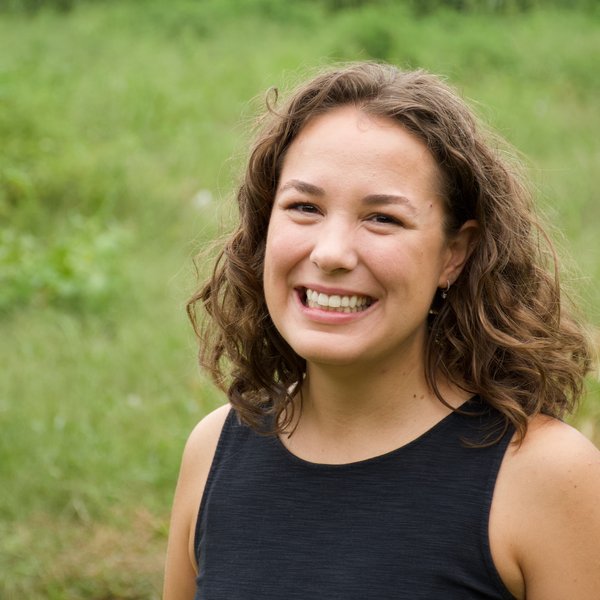
1. What got you interested in the Peace Corps, specifically the Response program?
As an undergraduate student in the College of Agriculture at University of Wisconsin, many of my professors and friends were Peace Corps Volunteers. I always saw Peace Corps service as a meaningful way to share my education with the global community and to learn about other cultures and ways of growing food. I went straight from my undergraduate studies to graduate school, so when I finally had a chance to serve I was drawn to a specific Peace Corps Response job description. Because Response job descriptions are written by the organization you will serve with, they describe specific challenges that that organization wants help addressing. In my case, a center for the Deaf needed help implementing irrigation and greenhouse growing, which was a particular area of experience for me from my role as a tomato genetics researcher post-graduation. I was excited to extend my skills in greenhouse tomato cultivation to a production setting, and to help the Deaf population of Jamaica develop a sustainable way to grow food for their community and to bring in income.
2. What projects are you working on with your community?
At the center I am helping to remediate the soil and improve greenhouse yields through composting animal manure and food scraps from the school and catering kitchens. I am also helping implement a continuous harvest cropping regime, where we supply the 3 campuses of Deaf schools with vegetables for the students.
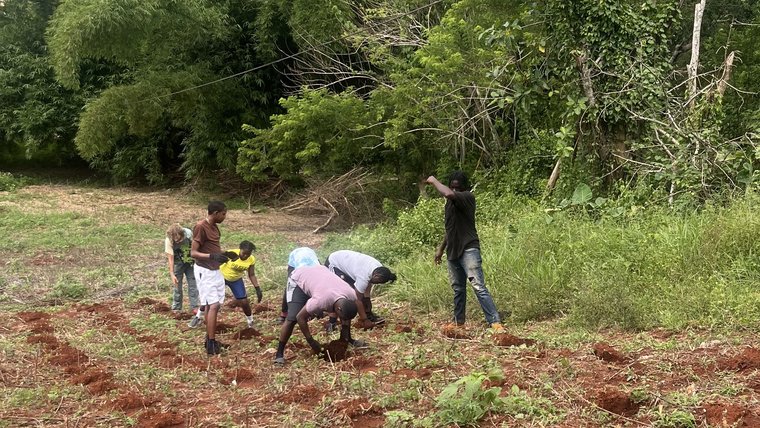
3. How have you leveraged your previous professional experience in your service?
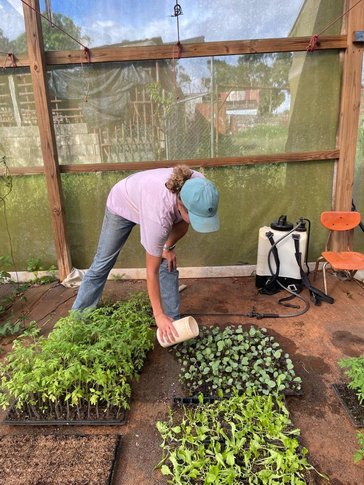
My service has drawn on many skills from my previous professional experience in unexpected ways. For instance, I have helped implement a strategic mode-of-action based integrated pest management plan, drawing on my training in pesticide use from my work in tomato growing. This plan has been important to our success with continuous harvest, as having crops of different stages growing at the same time presents new pest challenges and we must give careful consideration to the time between pesticide spray and harvest.
I have also drawn on my experience as a science teacher by helping co-teach an agriculture class for students at the Deaf school. My interactions with the students have been some of my most meaningful moments in service, as I taught them about the fundamentals of composting, soil fertility, and growing plants. My previous teaching experiences have emphasized the importance of pre-assessment to understand the level of background knowledge students are bringing into the classroom, and I used this experience to help meet the students at their level and encourage a deep understanding of the concepts we were introducing in class.
4. What is a highlight of your time in service so far?
The highlight of my time in service was attending the regional 4H competition, where our students won awards in areas such as the school farm and the agricultural technology they developed. The excitement and pride of the students at their recognition through 4H made my efforts to learn sign language and teach them agriculture concepts absolutely worthwhile.
5. What strategies have you used to meet the challenges of a Response Volunteer experience?
One way I have tackled challenges has been through patience, flexibility, and by listening and observing. Any time I am unsure about the goals of the organization I am serving with, or about individuals’ commitment to our shared projects, I ask my counterpart and our managers what we should be prioritizing. I do my best to remain flexible as the organization navigates the many challenges they face, rather than pushing through projects and priorities that may not serve their changing needs. Through regular communication we have managed to accomplish many of my initial goals, although the timing may not have always fit our plans.
6. How will the skills you are developing help you in the future?
I have learned sign language through my service, which I plan to continue to develop through involvement with the Deaf community in New York City when I return home. The skill of being able to communicate with a new population of people will always be with me. In addition, I have learned so much about farming in the tropical region, which requires an innovative approach and resilience that I will carry forward into my future work in agriculture.
Learn more about serving as a Peace Corps Volunteer in Jamaica.



