 An official website of the United States government


Featured Participant Profile
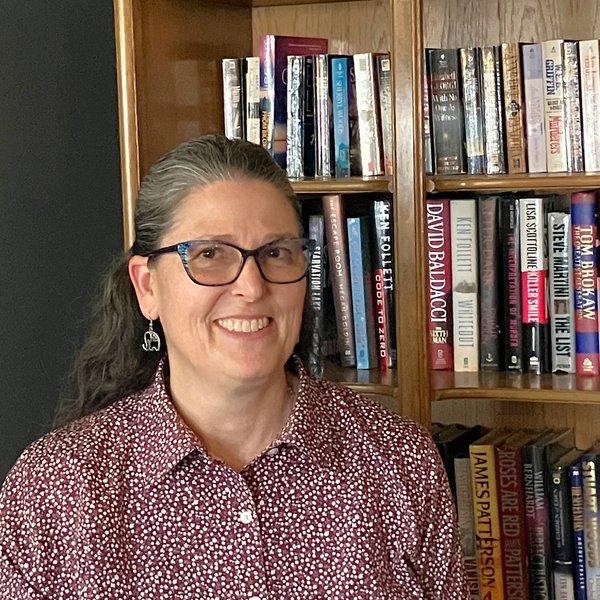
Nicole H.
“My previous Peace Corps experience was in a small village in Chad with no electricity or running water. If someone had told me that 30 years later, I would be back in the U.S., video chatting with teachers in Togo, I never would have believed them.”
1. What inspired you to serve online with the Peace Corps?
In the 1990s, I served as an English teacher in Peace Corps Chad. Since then, I have always enjoyed talking with other educators from anywhere in the world and learning what school is like for them and their students. This year, I have a more flexible work schedule in the U.S., so when I learned of this opportunity to partner with teachers in Togo, it seemed like the right moment to reengage with the Peace Corps and reconnect with francophone Africa.
2. How did you effectively collaborate with your partners on projects?
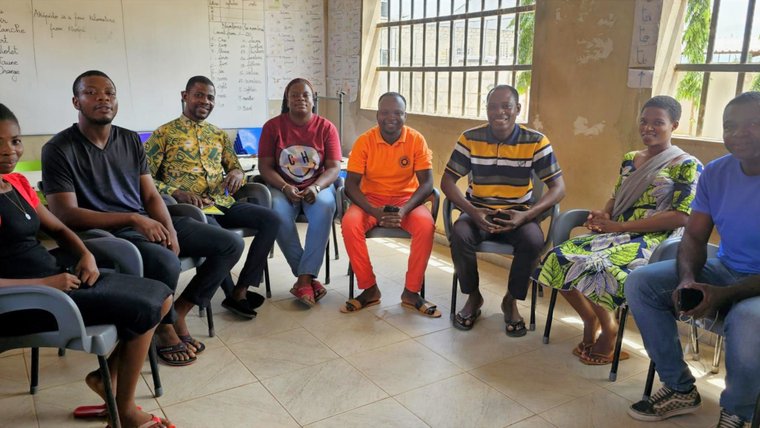
I worked with three teachers at an elementary school. I met with each of them for one hour per week on WhatsApp to support their English conversation skills and discuss teaching strategies. Prior to each session, I sent conversation prompts and some key vocabulary related to that week’s topic. Sometimes, the Togolese teachers suggested topics they were interested in discussing, so we explored those, too. We would also talk about upcoming English lessons that they were planning for their classes and how they might include songs, stories, or other active engagement.
3. What were the results of your partnership?
My counterparts were very motivated and engaged. The hour would always pass quickly with a lot of information shared from both sides. They developed more confidence to speak in English on a variety of subjects and to try new strategies in their classrooms. During the first week, I could tell everyone was very nervous, but soon we all relaxed and were able to talk more easily and sometimes laugh together about incidents from our day.
4. What was a highlight of your VSP experience?
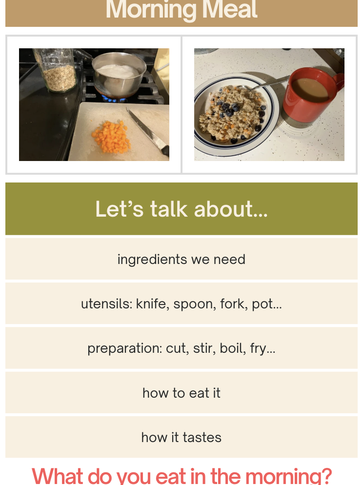
Many of our English conversations involved comparing different aspects of our daily lives. Since I have never been to Togo, and they have never been to the U.S., we exchanged photos to help bring our discussions to life. During the week that we talked about food, we shared photos of what we ate for a morning and an evening meal. We explained what ingredients were needed and how to prepare the food. Everything looked delicious! I want to attempt some Togolese recipes at home, but I’m not sure they will turn out like the dishes shared by my partners.
6. What’s something new you learned about your work sector in the host country?
I learned how three different languages each play a role in a Togolese classroom, starting at the pre-school level. Students arrive knowing their local language, then they add French, and gradually they incorporate English as well. It was inspiring to think about classes singing, counting, or responding in all three languages at such a young age.
7. What did you bring away from your experience as a VSP Participant?
I learned a lot from seeing the classrooms of my colleagues in Togo and learning about their daily life, both in and out of school. I appreciate how they find creative uses for whatever materials they have available, just as teachers do in the U.S. As added benefit, I also developed a friendship with the other two VSP Participants from this project and with the founder of this community school.
8. Can you share a phrase you learned in the local language?
Akpe = thank you
9. How did the VSP experience compare to your previous in-person service?
My previous Peace Corps experience was in a small village in Chad with no electricity or running water. Cell phones were not yet in use anywhere in the world. If someone had told me that 30 years later, I would be back in the U.S., video chatting with teachers in Togo, I never would have believed them. However, in both instances, the positive engagement and collaborative spirit of all parties were the key to making the experience meaningful and memorable.
10. What would you say to someone considering virtual service?
I would encourage them to apply! This modality makes Peace Corps service accessible to people who may not be able to leave home for 27 months. It’s a rewarding way to participate in intercultural exchange and share your professional skills.



