 An official website of the United States government




Featured Volunteer Profile
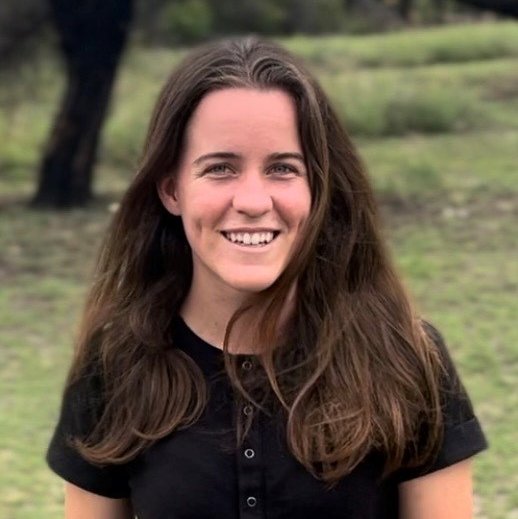
Joan G.
“... while in Botswana I have learned a lot about reducing waste and being more sustainable. From community members, I have learned to completely eliminate my food waste, and significantly reduce other waste.”
1. What got you interested in the Peace Corps?
Growing up I often heard stories about the places my grandparents had traveled. It gave them a much more holistic view of the world and I wanted to have a similar experience. In university I studied public health, much of the time studying the United States health system. This made me curious about how healthcare works in other countries, and the strategies people use to have a healthy lifestyle.
I heard about Peace Corps growing up, but my interest was sparked at a recruiting table on campus. Peace Corps seemed like a great opportunity to see more of the world, learn about another country and culture, and expand my views of how to have a healthy lifestyle and strong health system.
2. What projects are you working on?
I have had the privilege of working on several projects while at site.
One highlight has been working with an HIV support group, which has been working in the community for over a decade. One challenge for community members is being able to get to the clinic to access antiretroviral treatment. With the group I was able to secure a Peace Corps grant to build a garden. The group is now selling produce to the community and using the funds to help people take a bus to get to the clinic as well as supporting the clinic itself.
I’m also working with guidance staff at the junior secondary school to implement two programs. First, we trained a group of students to be peer counselors regarding the risks and impacts of drugs, sex, and dropping out of school. Second, we started a Grassroot Soccer program, which integrates life-skills lessons and lessons about HIV/AIDS with soccer. I look forward to expanding on these projects in my second year of service.

3. What strategies have you used to integrate into your community?
One main strategy is to build relationships with community members. I attend any community function I find out about, talk to people while waiting in line at shops, and spend time with neighborhood children at my house.
I also try and keep an open mind by asking questions when I am confused by something, or when something is unfamiliar. Difference is not bad; it is just something I have the opportunity to learn about and adapt to.
Another is walking around the community often. This helps me see what’s happening in the community and what resources there are.
Learning Setswana is also quite valuable for integration; people are much more willing to spend time with me if they hear me attempt to speak their language.
4. What is a highlight of your time in service so far?
A highlight of my time in service is doing Grassroot Soccer with primary school students after school. My counterparts and I meet students at the public soccer pitch and carry out the games and lessons of the Grassroots Soccer curriculum. Meeting youth after school for soccer generates a lot of excitement in the community and helps raise awareness about my role as a Peace Corps Volunteer. It has greatly improved my integration in the village and it’s always enjoyable working with kids.
5. What have you enjoyed most about the community where you are serving?
I enjoy the friendliness of people in the community. When walking around the community people are always happy to chat with me or lend me a hand. When I am in the grocery store nobody gets upset when the line is long, and everyone is happy to talk with people waiting by the kiosks. When someone has a problem people are always quick to offer solutions or support, and everyone is kind to their neighbors.
6. What are some of the most important things you’ve learned from your community?
The most important thing that I have learned from my community is the value of taking life slowly and getting to know your neighbors. It is rare to find people in a rush around the house and people do not often keep track of time. This increases everyone’s ability to enjoy the moment. People are also very well acquainted with their neighbors, when there are issues that arise people often solve issues themselves or with the help of neighbors. I seldom see people call a company to repair something or the police to solve a problem.
7. How do you spend time when you are not working on a project?
When I am not working on a project, I like to visit and help at other offices in the Rural Administration Center. This also increases my chances of getting invited to events. One of my favorite offices is the Monitoring and Evaluation office, where I help with statistics and analysis of health issues in the district. I also enjoy visiting the friendly staff at the junior secondary school, where they often let me lead a class. When at home I like to play soccer or do coloring with children at my house. I also enjoy going on long walks or runs.
8. What are you looking forward to in your remaining time as a Volunteer?
During my remaining time I look further to building stronger relationships with community members and continue to develop projects. I look forward to continuing to work on the second and third Peace Corps goal of a cultural exchange. I enjoy sharing recipes, discussing holidays, and other cultural practices with Batswana and family and friends back home. I also look forward to traveling and seeing more of Botswana and the surrounding countries.
9. Once you finish your service, what will you do differently when you return to the U.S.?
I want to focus more on the present. Here in Botswana people do not spend much time worrying about the future or the tasks ahead of them; instead they put their attention and energy on what is going on in the moment. Also, while in Botswana I have learned a lot about reducing waste and being more sustainable. From community members, I have learned to completely eliminate my food waste, and significantly reduce other waste.



