 An official website of the United States government




Featured Volunteer Profile
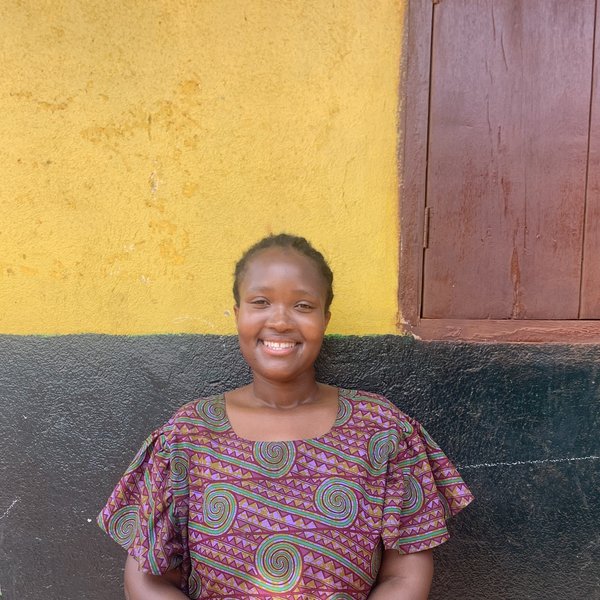
Ernestine "Tina" N.
“I look forward to seeing more students improve their reading skills and reach the point where they can confidently read books at their respective grade levels. It’s especially rewarding to support those who have been struggling to keep up.”
1. What got you interested in the Peace Corps?
I always wanted to join the Peace Corps after a visit from some government workers to my high school during my sophomore year. It ignited my passion and research into global development, especially education. I wanted to support underprivileged communities with the chance to receive quality education. The further I looked into the Peace Corps, the more its mission aligned with my future endeavors. Coming from Senegal, I was already used to culture shock, so I thought I would be a perfect fit for the Peace Corps. I was always involved in clubs and nonprofits such as the Salvation Army; Pick. Click. Give.; and the Points of Lights Youth Leadership Institute. I was mostly drawn to living abroad and immersing myself in a different culture and environment.
2. What projects are you working on?
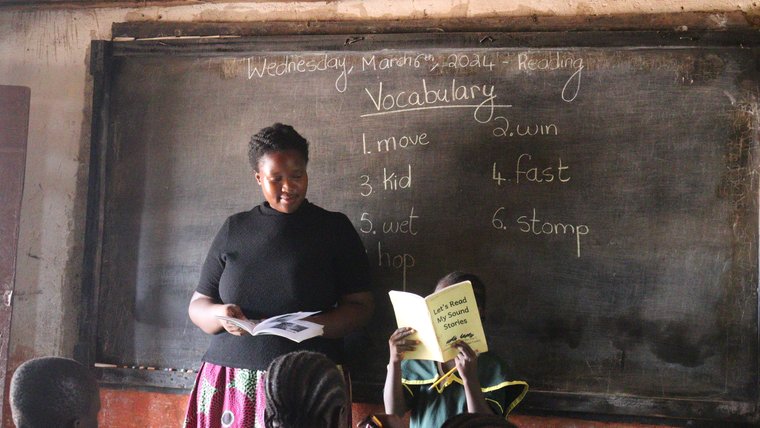
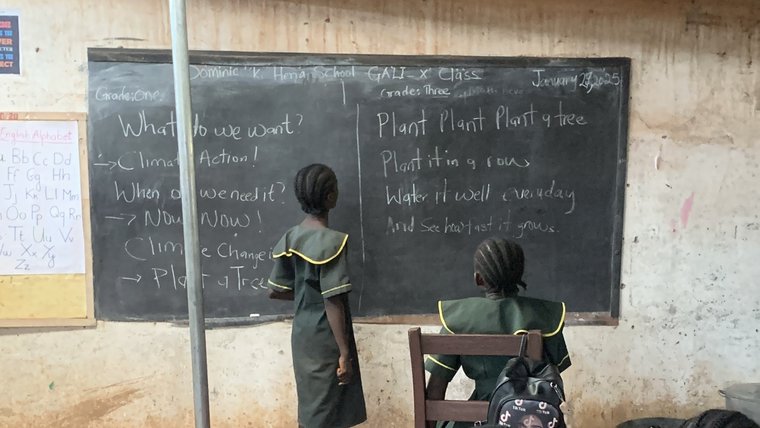
Currently I’m assigned to a community K-12 school where my primary concentration is literacy. My work is focused on improving the learning environment and enhancing teachers' and students’ abilities. I co-teach in the classroom, and outside of class my counterparts and I improve our skills and develop literacy-related content. We also started an after-school reading club to help students improve their reading and comprehension skills. Throughout the academic year, I work with a Liberian organization called WE-CARE to facilitate workshops and train kindergarten and primary school teachers on various phonetic elements.
Outside of the literacy focus, my counterparts and I received a grant to train instructors in fundamental computer literacy. Having access to the right tools and supplies allows teachers to save money and effort. As a result of this grant, the school has begun to offer printing services for a small fee for the surrounding the community in order to sustain the project. I am also collaborating with an organization in my community to provide vocational skills training for 60 women and young people.
3. What strategies have you used to integrate into your community?
Initially, my counterparts at my assigned school spent the whole day with me, exploring my community; they introduced me to my neighbors, took me to the general market by my home, and explained how to stay safe. Being familiar with neighbors and community members, especially the water pump owner and certain community leaders, was key. I’ve become close to many community members by talking and spending time with them. I cook with my neighbors, and they share meals from time to time. I took Kpelle classes and learned a few phrases and greetings so I could speak to community members who are always delighted to hear me trying to speak the language.
4. What is a highlight of your time in service so far?
The way people offer me food and welcome me. At school my counterparts give me fruits, vegetables, and other crops from their farms. My students also give me food from their parents’ farms. My neighbors are also very generous and share their meals with me or offer me fruits or vegetables they bought or farmed. This is almost a daily occurrence; I always have fresh fruits or vegetables at my house. Words cannot describe how grateful I am to have such amazing counterparts and community members that care for me and look out for me.
5. What have you enjoyed most about the community where you are serving?
The friendliness of the children and the way they help me, unprompted. They always come to my porch, invite me to play, and offer to draw my water or sweep my porch. They always want to talk and share stories with me. I ask them about school and how they’re doing and help them with their homework. I feel even safer with the children around, as they always look out for me. The children make my day.
6. What are some of the most important things you’ve learned from your community?
The value of patience and respect. Simple gestures, like greeting everyone you encounter, go a long way in building trust and connection. In many communities, greetings are more than just polite—they’re a sign of respect and acknowledgment. If you are in an unfamiliar place and haven’t taken the time to greet those around you, people may be less willing to offer help. It taught me the importance of fostering community ties through small, everyday actions.
7. How do you spend time when you are not working on a project?
When I’m not working on a project, I enjoy relaxing at home, spending time talking with my neighbors, and reading a good book. I also like to visit my counterparts at their homes, which strengthens our relationships and gives me a deeper understanding of who they are outside of work.
8. What are you looking forward to in your remaining time as a Volunteer?
I’m looking forward to seeing more students improve their reading skills and reach the point where they can confidently read books at their respective grade levels. It’s especially rewarding to support those who have been struggling to keep up or are falling behind. I’m also hoping to visit a few more places in Liberia. I’ve really enjoyed traveling around the country and exploring areas beyond my site, so it would be great to experience even more of what Liberia has to offer before my service ends.
9. Once you finish service, what will you do differently when you return to the U.S.?
I plan to share my experience in Liberia and highlight the positive aspects of the country that many Americans may not know. In terms of my own behavior, I’ll be more friendly, take the time to greet people, and practice greater patience. Liberia has also taught me not to stress too much about time or feel the need for everything to follow a strict plan. I’ve learned to be more spontaneous, go with the flow, and accept that things won’t always go as expected. Most importantly, I’ll carry forward a deeper sense of gratitude—for life and for the ability to make my own decisions. I won’t take what’s in front of me for granted.



