 An official website of the United States government


Returned Volunteer Profile
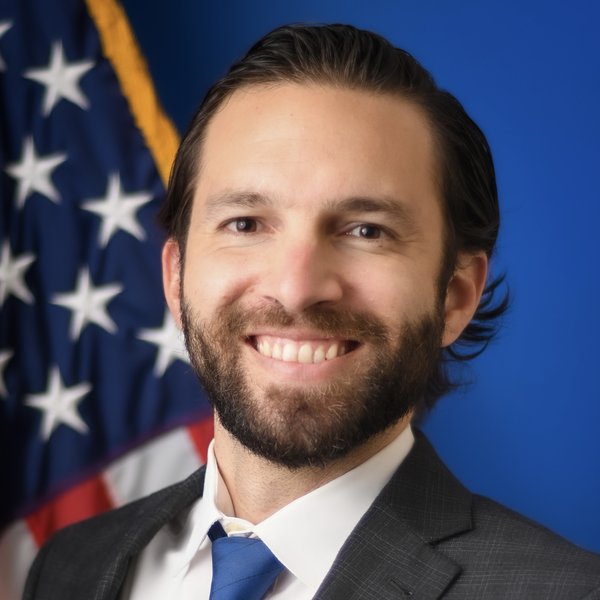
Robert A.
“The Coverdell Fellowship provided a stipend and full-tuition scholarship so I could obtain master’s degrees in Latin American studies and public administration; it also gave me access to an amazing network of fellow RPCVs.”
1. What were your primary responsibilities during service?
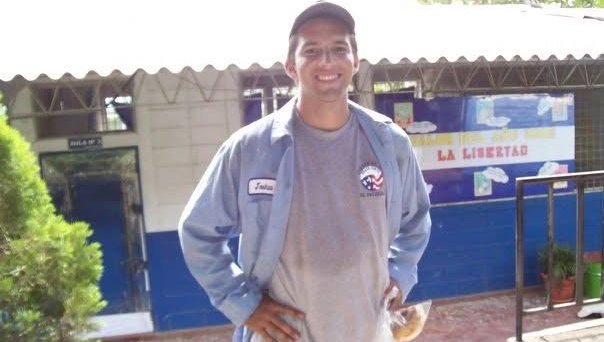
During my first two years, I was a Youth Development Volunteer and assigned to a K-9 school. As time went on my responsibilities expanded beyond the school into the broader community, but I always maintained contact with the school. I extended for a third year and served as a regional coordinator for Peace Corps El Salvador, building relationships with NGOs and regional governments as well as working with Peace Corps staff on site development.
2. What projects did you collaborate on with your community?
I had a diverse array of projects during my Peace Corps time, but these are the ones I’m most proud of: I organized a youth night soccer league with members of my community that benefitted over 500 youth aged 7-20. My predecessor at my site had used a Peace Corps partnership grant to build a basketball/soccer court and I worked with the municipal government to have lights installed. This provided a safe space at night for youth and their families to enjoy.
I secured a grant from San Diego Peace Corps Association to fund a women’s vocational training workshop in sewing and textile production, which resulted in women obtaining jobs making uniforms for the Ministry of Education.
During my time as a regional coordinator, Hurricane Ida struck, resulting in catastrophic floods and mudslides that killed over 200 people and displaced over 500 families. I collaborated with an NGO made up of Returned Volunteers (RPCVs) who provided funding for solar lights for each family, egg-laying chickens to increase protein consumption among displaced families, and a team of psychologists to provide mental health services to children with trauma related to the hurricane.
3. How did Peace Corps service influence your professional path?
My service fundamentally changed my perspective on what was possible professionally and changed the way I looked at the world. Where I grew up, nobody worked in or even discussed international relations. The Peace Corps opened my eyes to a whole career field and world that I didn’t know existed. After my service I had the opportunity to attend graduate school at the University of Arizona. The Coverdell Fellowship provided a stipend and full-tuition scholarship so I could obtain master’s degrees in Latin American studies and public administration; it also gave me access to an amazing network of fellow RPCVs.
4. How do you use skills honed during service in your current job?
The skills I developed and enhanced during my Peace Corps service continue to serve me on a daily basis as a foreign service officer with the State Department. Flexibility, project management, relationship building, and intercultural communication are skills that have served me well since my service.
5. Have you helped those at home understand the value of Peace Corps service and communities abroad?
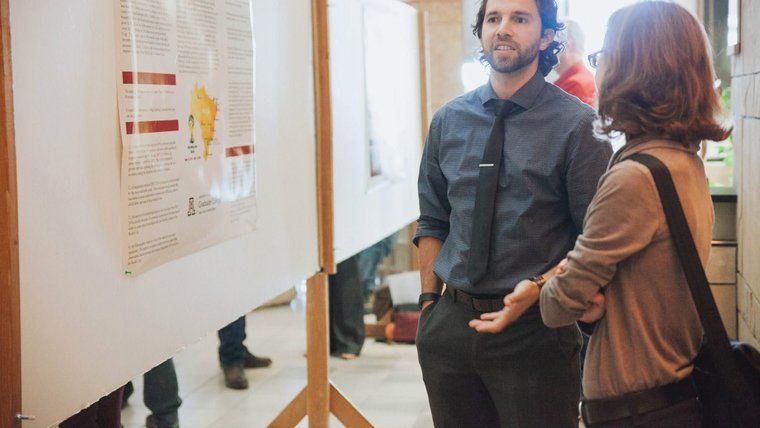
I have given many talks to students about my Peace Corps service and I continue to recommend it to as many people as possible as a potentially life-altering experience. I have also used storytelling in formal and informal contexts as I feel that it can be a more powerful tool for communicating my experience than simply providing a list of my projects and work.
6. What Peace Corps benefits have been useful to you?
The service award (readjustment allowance) was extremely helpful upon returning to the U.S., and the network of RPCVs has been invaluable.
7. Have you remained involved with the Peace Corps community following service?
I have been involved with the RPCV community in Tucson and Washington, D.C., and continue to engage with RPCVs through the State Department. To this day, I am still in contact with my host family and countless friends. I recently watched the Facebook stream of my community soccer team in the semi-finals of the municipal tournament!
8. What tips do you have for Volunteers returning from service?
Take a deep breath. The transition back to the U.S. can be more jarring than the transition to your Peace Corps site. Recognize the value of the skillset you developed while in the Peace Corps, learn how to conceptualize and communicate this. Develop your “elevator pitch” of your service for friends, families, employers that want the short version; if they ask questions and show additional interest you can go deeper. This last piece is important; service is such a deeply personal and powerful experience, and I instantly wanted to communicate that to people; if their attention waned a bit I would feel a certain way. Most people want the summary, because they don’t have the context to process it unless they have had similar experiences.



