 An official website of the United States government


Featured Volunteer Profile
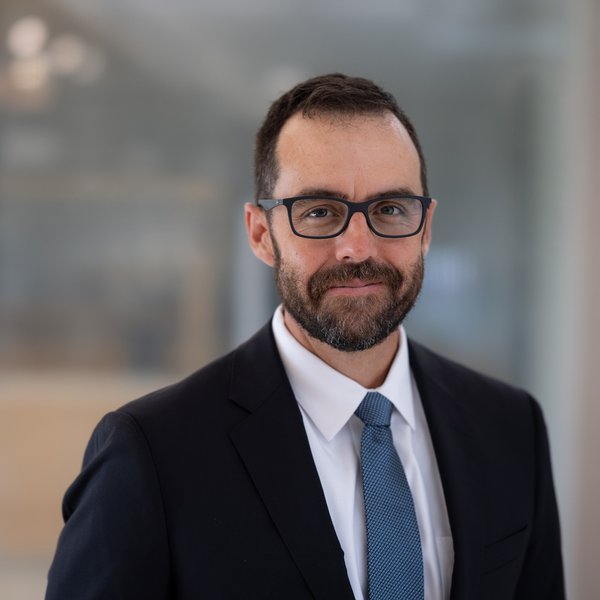
Kevin F.
“As a physician and executive leader, I lean on the humility I learned in Togo every day. I learned that authentic partnership and mutual respect with the community are the only ways to achieve a lasting impact.”
1. What were your primary responsibilities during service?
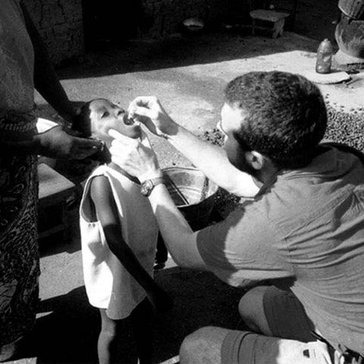
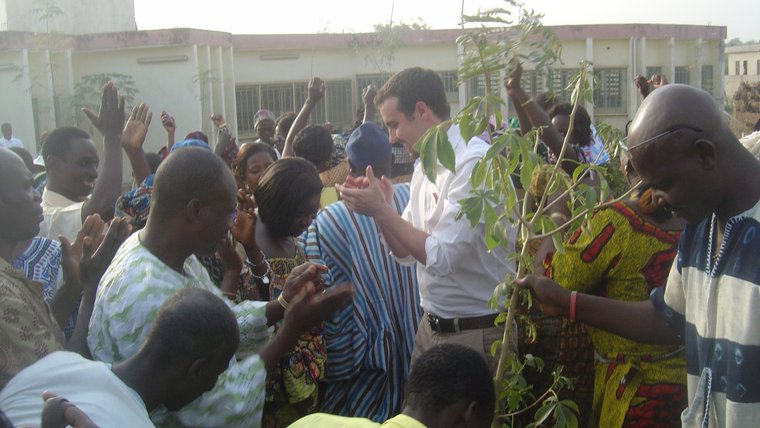
My primary role was as a Community Health Volunteer in Togo, where I had the privilege of partnering with Association Espoir pour Demain-Lidaw (AED-Lidaw). At a time when life-saving treatment was largely inaccessible, this community-based organization—led by people living with HIV—was dedicated to introducing comprehensive HIV/AIDS services to Northern Togo.
2. What projects did you collaborate on with your community?
I collaborated with local leaders and health workers to improve access to basic healthcare and HIV/AIDS prevention and treatment. Most of these efforts focused on collaborating with AED-Lidaw’s mission to introduce comprehensive HIV/AIDS services. This collaboration led to the founding of a partner organization, Integrate Health (Santé Intégrée), to support and expand access to basic primary care services. Alongside my community and my fellow Volunteer (and future wife) Jennifer we worked to organize community members, local leaders and government. During my three-year service, I supported AED-Lidaw as it evolved into the region's largest HIV treatment provider, a legacy that continues today as they support thousands of individuals living with HIV.
3. How did Peace Corps service influence your professional path?
Service was the definitive catalyst for my life’s work. It was a transformative “ordeal” that fundamentally changed how I saw the world, exposing the deep health inequities that exist when basic care is treated as a privilege rather than a right. This experience inspired me to return to the U.S. to pursue medical school and ultimately shaped my current career as a leader in global community health.
4. How do you use skills honed during service in your current job?
As a physician and executive leader, I lean on the humility I learned in Togo every day. Peace Corps taught me that no single person can ever “fix” a system. I learned that authentic partnership and mutual respect with the community are the only ways to achieve a lasting impact. The resilience and resourcefulness required to navigate a rural service environment are the exact same traits I rely on today to manage complex operational challenges and scale health systems.
5. How have you shared the value of Peace Corps service and communities abroad with people in the U.S.?
Through my leadership with Integrate Health, I have spent two decades advocating for the Togolese healthcare model to audiences in the U.S. and on the global stage. By amplifying the successes of Togo’s community health workers, I aim to show that some of the world's most innovative solutions are born within the communities themselves.
6. What Peace Corps benefits have been useful to you?
I have always treasured and continue to deeply value the lifelong friendships forged during my service. The RPCV community is a priceless professional and mission-driven network.
7. How have you remained involved with the Peace Corps community following service?
Yes, I have attended many RPCV events over the years including National Peace Corps Association annual conference.
8. What do you miss most about your host country?
I have been incredibly fortunate to return to Togo at least once a year since my service ended. While the landscape and the clinics have evolved over two decades, it is the people I miss most between visits.
9. What’s your favorite word in the local language of your host country?
Lidaw. It translates to “hope” or “there is hope.”
10. What would you say to someone thinking about joining the Peace Corps?
I certainly have my biases, but I don't believe I will ever have another experience that results in such profound personal growth. My advice to anyone considering it is to be honest with yourself: you will likely gain more from the community that welcomes you than they will ever receive from you. It truly lives up to the reputation as “the toughest job you’ll ever love”—or at least it did for me.
Learn more about serving as a Peace Corps Volunteer in Togo.



