 An official website of the United States government


Returned Volunteer Profile
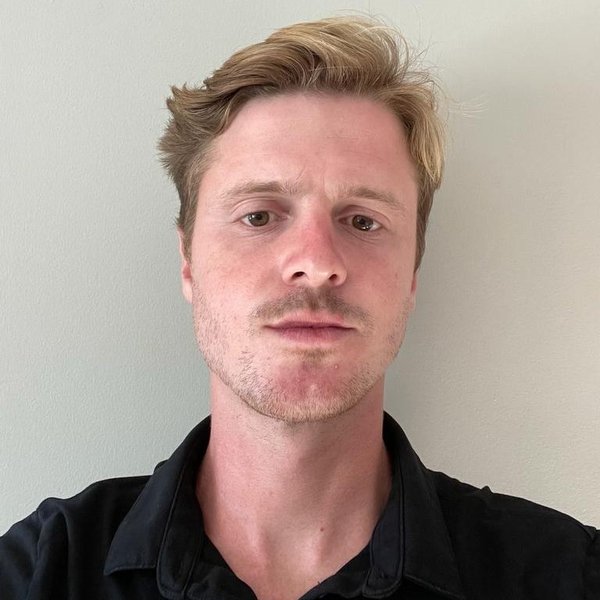
Jack O.
“Peace Corps taught me patience, adaptability, and the importance of listening before acting. I learned how to work effectively across cultures and build trust with partners from diverse backgrounds.”
1. What were your primary responsibilities during service?
For two years, I served as a Health Volunteer in a small, rural village in Northwest Cameroon. I worked closely with the local health facility to improve access to HIV/AIDS medications and support continuity of care for people living with HIV/AIDS. I collaborated with nurses, community health workers, and traditional leaders to strengthen awareness of HIV prevention, testing, and treatment. I also conducted HIV education and sensitization trainings across multiple villages, helping reduce stigma and increase community understanding of the disease. The village I served in was geographically isolated, which created significant barriers to accessing healthcare and essential medicines. Through sustained partnership with my counterparts and community members, we helped improve access to treatment and strengthen local health systems. Much of my role focused on supporting locally led efforts rather than directing them, ensuring solutions were rooted in community priorities. These relationships were the foundation of our success and taught me the importance of trust and collaboration in global health work.
2. What projects did you collaborate on with your community?
I worked closely with my community on several projects aimed at improving HIV awareness, treatment access, and long-term care. One of my primary responsibilities was supporting a community-run support group for people living with HIV/AIDS, which helped ensure members could access medications, share experiences, and support one another. I also collaborated on a PEPFAR-funded initiative, “Men as Partners,” which engaged men across multiple communities in conversations about HIV prevention, gender equity, and shared responsibility in health. These trainings helped address stigma and encouraged greater participation in testing and treatment. In addition, I worked with local health staff to organize free HIV testing events in rural areas where access to testing was otherwise limited. These outreach efforts helped connect individuals to care who may not have otherwise been reached. All of these projects were driven by community leadership, and my role was to support and strengthen their implementation. Working together, we were able to expand access to services and foster more open conversations about health.
3. How did Peace Corps service influence your professional path?
My Peace Corps service directly shaped my career in humanitarian aid and global health. While I had an interest in this field before serving, Peace Corps gave me the firsthand experience needed to fully understand and commit to this path. Living and working in a rural community exposed me to the realities of healthcare access, health inequities, and the importance of locally led solutions.
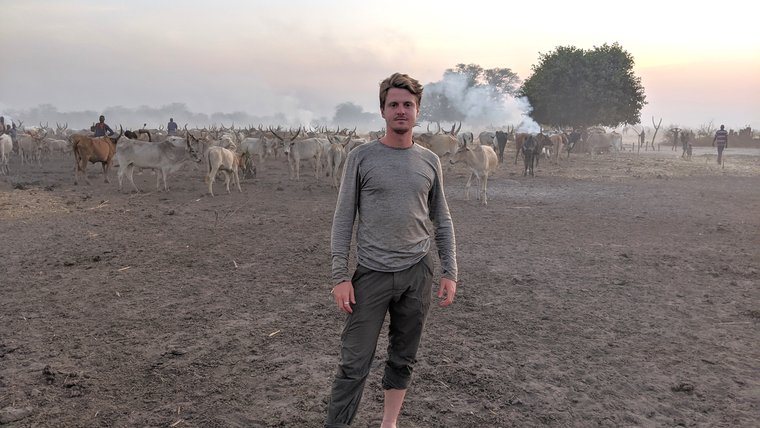
After completing my service, I pursued a master’s degree in international development and humanitarian emergencies at the London School of Economics. I built on both my academic training and Peace Corps experience to work in humanitarian responses in countries including Sierra Leone, South Sudan, and Ukraine.
Today, I manage humanitarian programs supporting communities affected by conflict and crisis. The lessons I learned during Peace Corps—especially the importance of listening, partnership, and humility—continue to guide my professional approach. Peace Corps was the foundation that turned my interests into a lifelong career.
4. How do you use skills honed during service in your current job?
In my current role as director in the Humanitarian Programs Department at Americares, I manage projects in some of the world’s most complex environments, including Palestine, Syria, and Sudan. Every day, I rely on the skills I developed during my Peace Corps service. Peace Corps taught me patience, adaptability, and the importance of listening before acting. I learned how to work effectively across cultures and build trust with partners from diverse backgrounds. These skills are essential when managing programs that require strong collaboration with local organizations and communities. Peace Corps also strengthened my problem-solving abilities and taught me how to remain flexible in uncertain and challenging conditions. The experience showed me that meaningful solutions come from partnership and humility, not from imposing external ideas. These lessons continue to shape how I lead programs and engage with partners around the world.
5. How have you shared the value of Peace Corps service and communities abroad with people in the U.S.?
I regularly share my Peace Corps experience with friends, family, and colleagues to highlight the importance of global connection and mutual understanding. Peace Corps brings together Americans from diverse backgrounds and places them in communities around the world to support locally led initiatives and learn from others. I emphasize that Peace Corps is not only about service abroad, but also about bringing those lessons home. The experience broadened my perspective and deepened my understanding of the interconnectedness of our world. I often speak about the relationships I built and how they changed the way I see community, resilience, and leadership. Peace Corps also helped me build lifelong friendships with fellow Volunteers from across the United States. These shared experiences strengthened my appreciation for both global and domestic diversity. I believe Peace Corps plays an important role in fostering empathy and understanding that benefits both Americans and the global community.
6. What Peace Corps benefits have been useful to you?
One of the most valuable benefits of Peace Corps has been the lifelong network of Returned Peace Corps Volunteers (RPCVs). This community has provided mentorship, professional connections, and friendship long after my service ended. Many RPCVs share similar values and experiences, which creates a strong sense of mutual support. This network has helped me navigate career opportunities in global health and humanitarian work.
In addition to professional support, the Peace Corps community has also been personally meaningful. Staying connected to others who shared similar experiences has helped me reflect on and appreciate my service. The sense of community does not end when service ends—it continues throughout your life. This network has been one of the most lasting and impactful benefits of Peace Corps.
7. How have you remained involved with the Peace Corps community following service?
I have remained connected with both my host community in Cameroon and fellow Volunteers from my Peace Corps group. I stay in touch with friends from my village and continue to value those relationships. I also regularly communicate with other RPCVs, and we continue to support each other both personally and professionally. We share memories, career advice, and encouragement through different stages of life. These relationships remain incredibly meaningful to me. Staying connected helps preserve the spirit of service and community that defined my Peace Corps experience.
8. What do you miss most about your host country?
What I miss most about Cameroon is the people and their incredible sense of humor. I laughed more during my service than at any other time in my life, and that laughter helped sustain me through challenges. There was a strong sense of community and belonging that made everyday life meaningful. I miss the conversations, the shared meals, and the friendships that became part of my daily life. The relationships I built there were genuine and deeply impactful. I feel incredibly grateful to have been welcomed so warmly into the community. Those memories and connections will stay with me forever.
9. What’s your favorite phrase in the language of your host country?
My favorite phrase is “On est ensemble,” which translates to “We are together.” It is commonly used when saying goodbye or expressing agreement, but it also reflects solidarity, mutual support, and shared responsibility. This phrase perfectly captures the spirit of community I experienced in Cameroon.
10. What would you say to someone thinking about joining the Peace Corps?
Peace Corps is a lesson in humility, patience, and personal growth. It challenges you to step outside your comfort zone and truly listen and learn from others. You will be a guest in another community, working alongside people who understand their needs far better than you do. The experience will push you to examine your assumptions and your place in the world. It is not always easy, but it is deeply rewarding. The lessons you learn will stay with you for the rest of your life. Peace Corps will shape how you see the world and your role in it. If you approach it with openness and humility, it will be one of the most meaningful experiences you can have.

Why Jack recommends the Peace Corps
"The experience will push you to examine your assumptions and your place in the world. It is not always easy, but it is deeply rewarding."
Learn more about serving as a Peace Corps Volunteer in Cameroon.



