An official website of the United States government




Preparing for the stresses of Peace Corps service

Your experience as a Peace Corps Volunteer, and the day-to-day realities of service, may differ from what you first imagine.
Life as a Volunteer can be tremendously rewarding and challenging at the same time. Perhaps you may have spoken to a Peace Corps recruiter, or to someone who previously served as a Volunteer. You may have heard that volunteering with the Peace Corps can be “the toughest job you’ll ever love.”
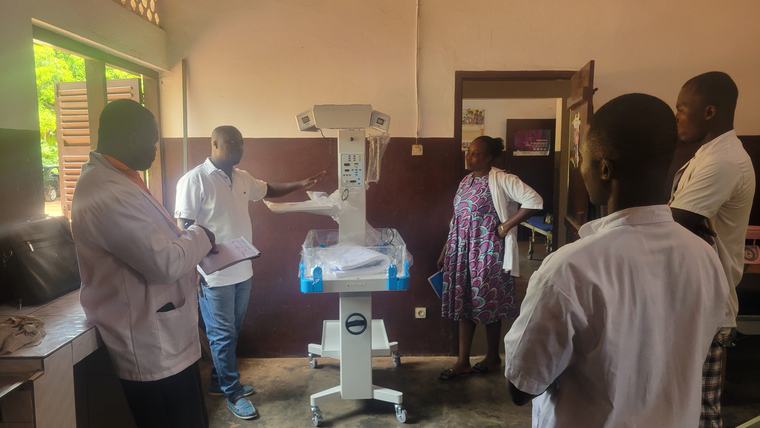
Peace Corps Volunteers live and work in more than 60 countries around the world, so no two Volunteers’ services are quite the same. What Volunteers share, however, is a sense of commitment and accomplishment.
Prior to applying, consider how you have encountered and handled stress in the past. Think about how your responses to stress might differ in a potential country of service. Your understanding of your responsibilities as a Peace Corps Volunteer, coupled with the day-to-day realities of service, may vary from what you first imagine. During the early stages of your application, consider how your past experiences have shaped you, and what you have taken from them. Candidates are encouraged to reflect on their past actions to demonstrate how they may respond to the stresses of service.
Keeping this approach, and the overall Peace Corps mission statement in mind, here are several strategies that can help when considering, preparing for, or departing for Peace Corps service. The strategies and ideas mentioned below are by no means a comprehensive list. They are simply places to start.
Identify sources of support
Sometimes there is nothing better than talking to someone else when you’re feeling stressed. Whether that be in person or remotely, human contact can be incredibly helpful to relieve stress. As you prepare your application, think about people you want to maintain connections with. Have frank and honest discussions with them about how you will maintain communication, even when technology is limited. Part of a successful service is balancing old connections with new ones. What do you need to do to approach service with a spirit of integration and open communication? How can you prepare yourself to establish meaningful relationships with host country nationals and new Peace Corps friends? Answering these questions ahead of time will help you during service.
Challenge your perspective
Perspective and understanding are key to dealing with any stress-related issues. Peace Corps will put you in new and stressful situations where you have little to no previous context. Finding ways to reflect back on where you’ve been, where you are now, and where you might be going can be a huge help in maintaining motivation and drive throughout your service. Remember that expectations for behavior differ from culture to culture. For example, being emotionally vulnerable in front of a coworker, which is uncommon in the United States, may be a perfectly normal and acceptable behavior in a country of service.
Create enjoyable routines
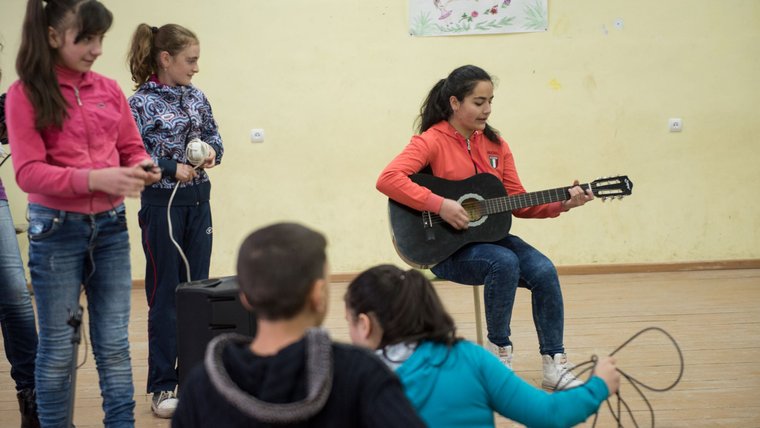
Seeking out simple, ongoing tasks or hobbies can help you cope with decreased access to technology and connectivity. Anything from journaling to gazing at the stars can help alleviate stress. Many Volunteers have brought an instrument or toy they use to both relax and connect with their new communities. Throughout the application process and beyond, you may want to find information that explains the lifestyles of Volunteers in a particular country of service. All Peace Corps host countries have a "Living Conditions" page that provides helpful information (for example, Living Conditions in the Philippines). Knowing this information may help you answer questions in your application, as well as in a possible interview.
As you embark on your Peace Corps journey, there are lots of resources available to you. In addition to the strategies mentioned above, there are a number of blogs such as this one on the website that cover stress and strategies for selfcare during service. Familiarizing yourself with some of these may help clarify which stresses you may face during service and how you can support yourself.
If you are interested in volunteering with the Peace Corps, browse open positions or reach out to a recruiter.