An official website of the United States government


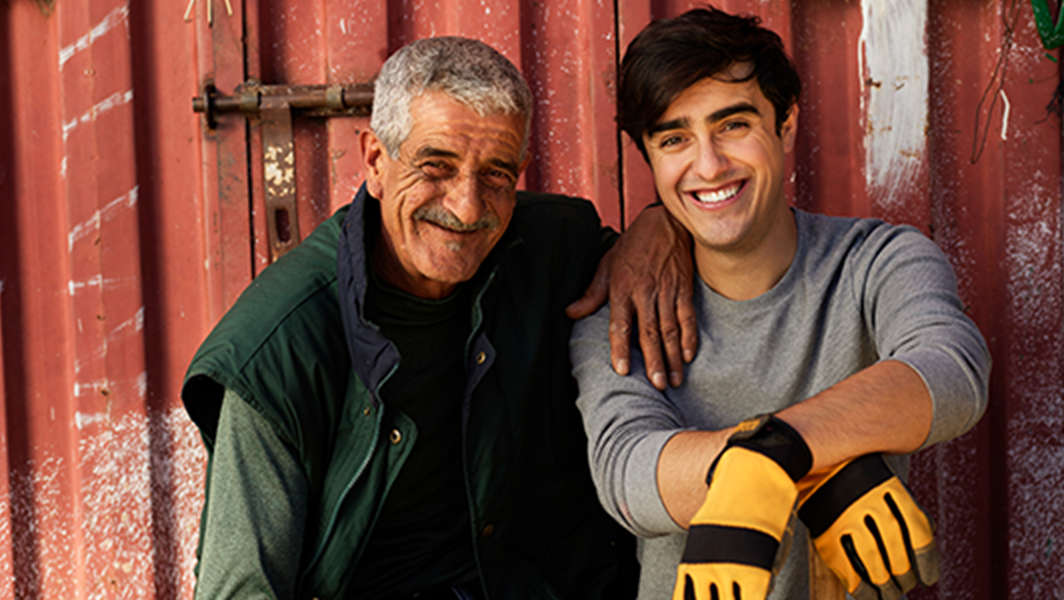
My first Ramadan in Guyana
Kunkaron serves as a Health Volunteer in Guyana from 2025-2027. She reflects on her first Ramadan in the country, sharing a story of community, reflection, and even a recipe.
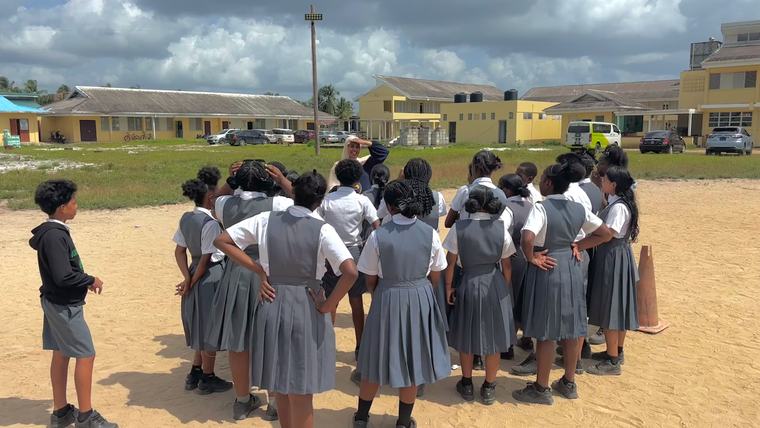
I didn’t choose to serve as a Peace Corps Volunteer in Guyana for its Muslim community, but being here has given me the chance to experience Islam in a different cultural context. I’m based in the central inland region of the country, where my work focuses on adolescent health. I teach in a school, support health initiatives, and engage with the community on health-related topics.
A familiar yet new tradition
Experiencing Ramadan here in Guyana feels, as a Muslim American, both familiar and new at the same time. Ramadan happens in the ninth month of the Islamic calendar and is a time of spiritual reflection, prayer, and community, during which Muslims fast from dawn to sunset to cultivate self-discipline, gratitude, and empathy for others.
While I have been excited to experience my first Ramadan in Guyana, I would be lying if I said I was not also feeling the quiet ache of what I am missing at home. Ramadan has always wrapped my family in a kind of unity that feels different from the rest of the year. We pray together more. We sit together more. We become softer and kinder with one another. That is what I miss the most this Ramadan: that effortless closeness.
Making new connections
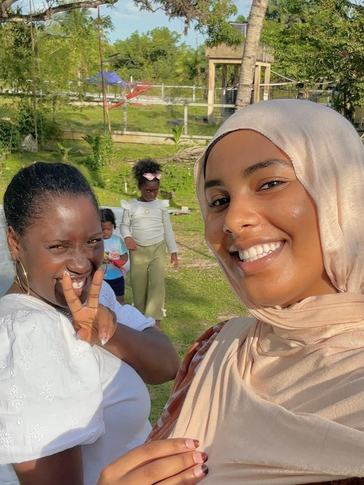
At the beginning of Ramadan, I felt a bit isolated since I was away from my family. However, that quickly changed as members of the community began inviting me to join them for iftar, the meal eaten to break the fast after sunset. One invitation came from a fellow Volunteer’s host family while others were from people I had connected with during my time here.
Over time, these gatherings became a regular part of my evenings. Sharing meals, conversations, and just the Ramadan vibes. In many ways, it reminded me of breaking fast with my own family, and it helped me feel more grounded and connected within the community.
Iftar: the first meal after fasting
While Ramadan has never just been about fasting for me, there is something sacred about the struggle of waking up early in the morning to force yourself to eat and drink, trying to store a little energy for the day ahead. And then there is iftar. The longest minutes of the day slowly turn into the sweetest ones. Everyone gathers before the adhan, the call to prayer. The dates sit ready on a small plate. The first sip of water feels like mercy itself.
Ramadan in Guyana has brought its own little adventures in the kitchen. Many Muslims prepare their iftar hours before it is time to break the fast. The idea is simple: cook ahead so that when the sun sets, you can eat peacefully. Unfortunately, that has not been my reality lately. Somehow, every day I promise myself I will start cooking early, and every day I watch that plan fall apart. Before I know it, iftar is only minutes away and I am scrambling in the kitchen, throwing together whatever I can just to have something ready to break my fast.
A Ramadan recipe
So my new routine is to make a quick "survival” meal so I can break my fast without feeling like I might collapse. Once I have a little energy back, I start cooking the real food. It is not the most organized system, but it works.
Lately, my biggest cooking obsession has been something called dumpling lasagna, which I first saw going viral on social media. It is basically dumplings without all the complicated folding and shaping. Traditional dumplings take time and patience, two things you don’t have much of after a long fast.
Making the lasagna is surprisingly simple. I start with tortillas soaked in water. (I couldn’t find wrappers at the store, which I am sure qualifies as some kind of culinary crime, but in true Peace Corps fashion, the improvisation somehow worked.) I lay the wet tortillas flat in a pan to create a base layer. In another bowl, I mix minced chicken with chopped onions, garlic, and seasonings. Then I mix everything together with my hands until well combined. Next, I spread the chicken mixture evenly over the wrappers and flatten it. I keep adding layers of tortillas and chicken until I run out and then bake it for about 40 minutes. It comes out looking like a stacked dumpling pie—soft, juicy, and incredibly satisfying.
The beauty of shared moments
Ramadan teaches patience and discipline, but it also reminds me that the beauty of the month does not come from perfect routines or carefully planned meals. It comes from the small moments.
May every Ramadan bring peace in our hearts, clarity in our prayers, and gratitude in our daily lives.