 An official website of the United States government



Decreasing Waterborne Illness
Description
The project aims to improve reliable access to clean water for approximately 3,000 residents in a large rural community. Secondary goals include reducing water‑borne illnesses, strengthening community members’ ability to maintain household gardens, and ensuring that local laborers gain lasting knowledge of water system repair and extension. Achieving round‑the‑clock water access—an increase from the current limited availability—has the potential to significantly enhance daily life for the entire community.
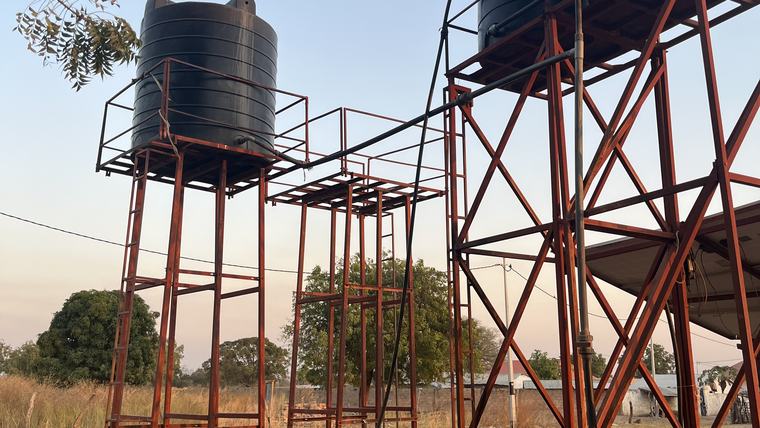
To meet these goals, project partners worked with residents to identify cost‑effective solutions. Planned actions include adding two new large-capacity tanks to restore the system to its intended performance, installing five new taps in areas identified as having limited access, replacing broken tap heads, connecting the pump system to a stable electrical source, and supplying soap for school handwashing. At least 15 residents will observe construction and receive training in repair techniques to strengthen local ability to address future challenges. The team will also collaborate with community leadership to establish a strong financial management plan that allows the community to sustain the system without outside support.
Grant funds will cover materials, transport, and specialized labor, while community members will contribute all unskilled labor and digging materials. A dedicated project team will oversee implementation and community engagement. Expected outcomes include increased water storage, longer periods of daily availability, removal of areas with limited access, strengthened community ability to maintain the system, and growth in beneficial activities that rely on dependable water.