 An official website of the United States government



School Kitchen Project
Description
Traditional cooking methods that create high levels of harmful air pollutants are linked to millions of premature deaths worldwide. Although many governments aim to reduce reliance on biomass for cooking, alternatives such as cleaner fuels remain unrealistic for remote communities due to limited access and high costs. This project seeks to demonstrate an affordable, socially acceptable alternative to unsafe cooking methods by introducing efficient biomass‑burning stoves that meet recognized low‑emission standards. The goal is to promote safer cooking practices without depending on costly or inaccessible solutions.
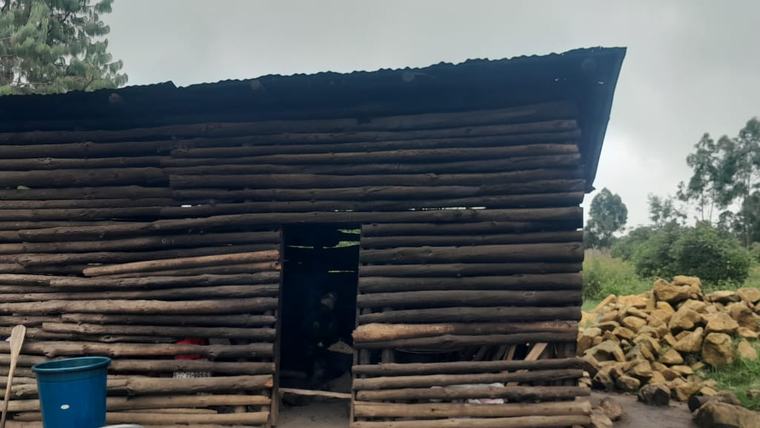
At the local secondary school, the kitchen is a wooden structure with no windows or proper ventilation and relies on four open wood‑burning stoves. These stoves require a constant supply of firewood, and the buildup of black soot throughout the building shows the severity of indoor air pollution. The improved cookstove and kitchen project will reduce exposure to harmful pollutants and strengthen food preparation and maintenance practices. It will directly serve several hundred students, teachers, and kitchen staff, as well as additional students living in nearby hostels who depend on the school for daily meals. Community members who attend school events will also benefit, as the kitchen is frequently used to prepare food for large gatherings.
To ensure long‑term success, community members, students, teachers, and kitchen staff will receive training on proper stove use, safe food preparation, routine maintenance, and fuel management. These skills can be applied in households throughout the area. The project reflects a longstanding community priority, made more urgent by recent increases in student enrollment. Strong community support demonstrates the importance of this initiative for local families.