 An official website of the United States government




Information and Communication Technology Lab
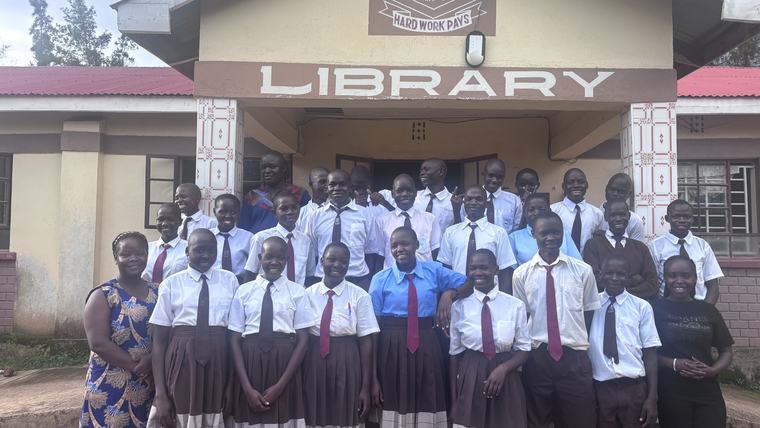
Description
This project will establish a fully equipped computer lab at a rural secondary school, providing students with their first meaningful access to digital learning tools. Although digital literacy is increasingly required in the national education system, many learners are expected to master Information Communication Technology skills without having used a computer. By offering hands‑on access to word processing, basic coding, and digital communication, the project will prepare students for continued academic success and future opportunities.
By the end of the first year, the school will have a functioning lab with at least twenty networked computers, reliable electricity, and internet connectivity. All students will receive regular, practical instruction, and at least five teachers will be trained to integrate technology into their lessons. A structured timetable will ensure fair access for all learners. The project reflects priorities identified through discussions with teachers, school leadership, and students, who emphasized the need for digital learning opportunities that are rarely available in rural settings.
Expected results include significantly expanded access to digital resources, strengthened teacher ability to use technology effectively, and a strong foundation of digital skills that students can apply well beyond their time in school. Progress will be monitored through regular assessments, with results recorded at the start and end of each term to track improvement. With the right equipment, dedicated training, and consistent daily use, this initiative will deliver sustainable technology‑supported learning that empowers students and strengthens the broader school community.