

Still The Toughest Job You'll Ever Love Since 1961
Get to Know Us
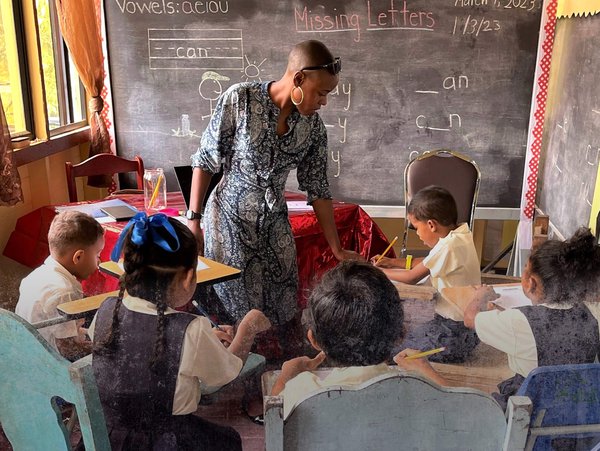
For 65 years, Peace Corps Volunteers have partnered with community members in more than 140 countries—putting their experience, skills, grit, and purpose to work on locally led projects. It’s been called the toughest job you’ll ever love. Tough because it asks so much of you. And the love part comes from knowing your work can transform lives and build bridges across cultures.
Ways to Serve

Peace Corps Volunteer
For those willing to commit to meaningful service, for about two years. Experience includes training, a living stipend, ongoing guidance, and benefits after service.
Peace Corps Volunteer Details
More Ways to Serve
From short-term, high-impact assignments to fully virtual engagement, there are flexible ways to share your skills.
Peace Corps Response Details Virtual Service Pilot DetailsYou’ll gain training, benefits, and experience that last well beyond your time overseas.
Put Your Skills to Work
Volunteers serve across six sectors, taking on practical challenges communities are already working to solve. The experience you gain is as real as the work itself.
Strengthen Food Security
Support sustainable farming, food systems, and climate-resilient practices.
Explore Opportunities
Cultivate Opportunity
Help strengthen local economies by supporting entrepreneurs and community initiatives.
Explore Opportunities
Teach for Tomorrow
Work with schools and communities to support learning in math, science, English, and literacy.
Explore Opportunities
Protect Our Planet
Partner with communities to protect natural resources and promote sustainability.
Explore Opportunities
Build a Healthier World
Support community-led efforts in nutrition, sanitation, disease prevention, and health education.
Explore Opportunities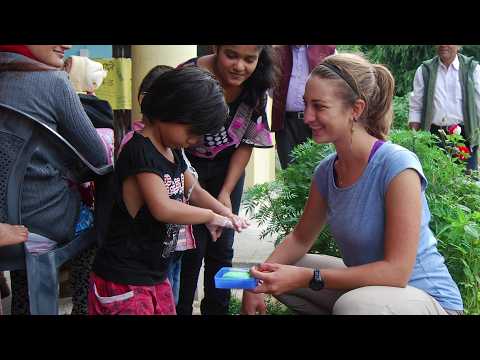
Empower the Next Generation
Engage youth through programs focused on education, leadership, and healthy futures.
Explore Opportunities
-
Agriculture

-
Community Economic Development

-
Education

-
Environment

-
Health

-
Youth in Development

Strengthen Food Security
Support sustainable farming, food systems, and climate-resilient practices.
Explore Opportunities
Cultivate Opportunity
Help strengthen local economies by supporting entrepreneurs and community initiatives.
Explore Opportunities
Teach for Tomorrow
Work with schools and communities to support learning in math, science, English, and literacy.
Explore Opportunities
Protect Our Planet
Partner with communities to protect natural resources and promote sustainability.
Explore Opportunities
Build a Healthier World
Support community-led efforts in nutrition, sanitation, disease prevention, and health education.
Explore Opportunities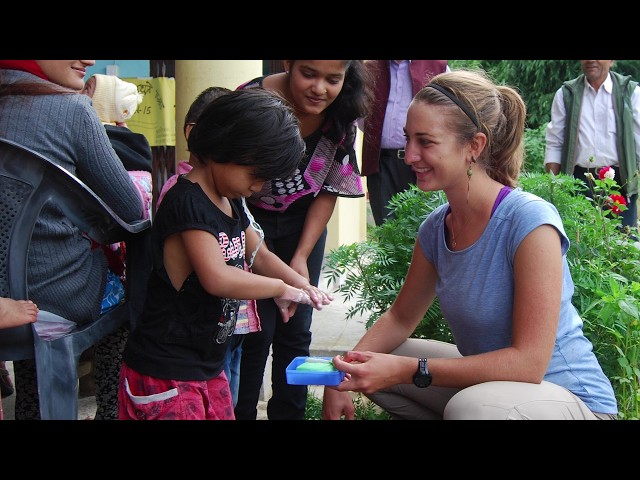
Empower the Next Generation
Engage youth through programs focused on education, leadership, and healthy futures.
Explore Opportunities
We Have a Place Where You Belong
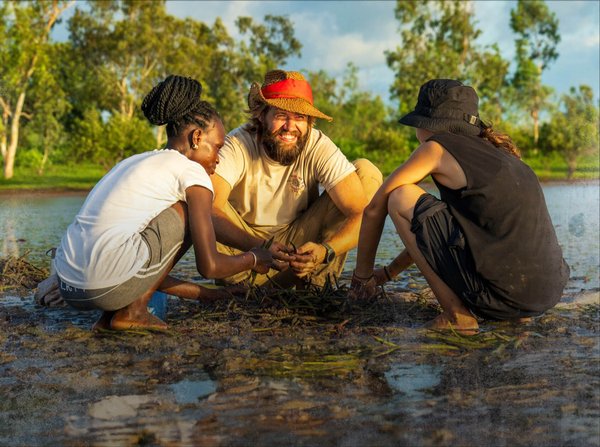
Peace Corps Volunteers serve in 60+ countries.
Where will you serve?


Start Your Journey
Find an opening that fits your passion and skills—or choose to serve where you're needed most. Not quite ready? Review the Before You Apply checklist to prepare for what's ahead.
Serve Where Needed Most Browse Current Opportunities
Not sure which path is for you? Find the Right Fit
A Legacy of Service
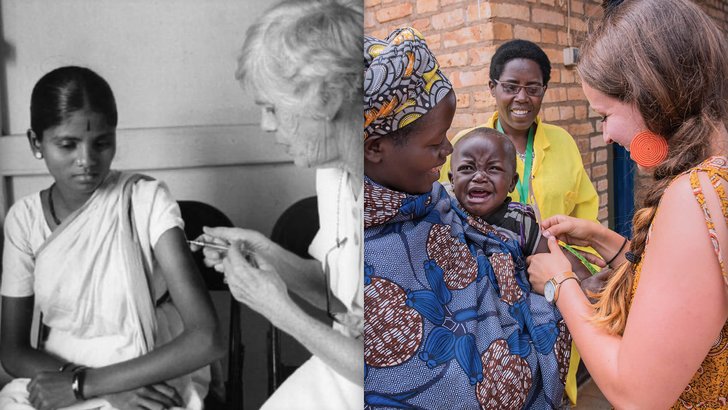
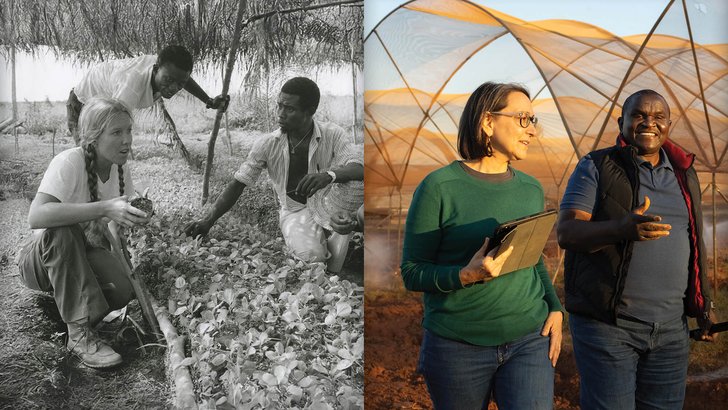
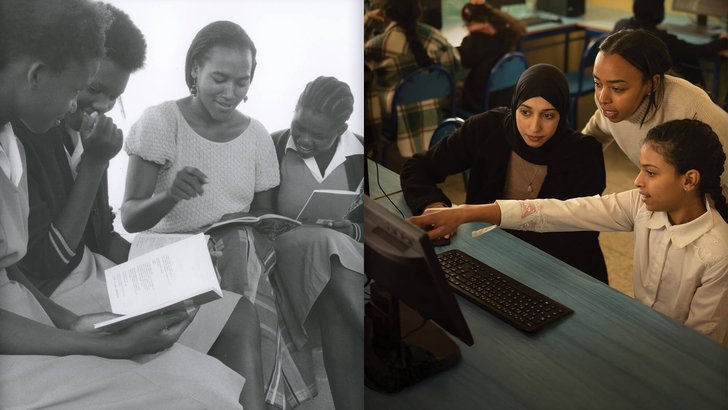
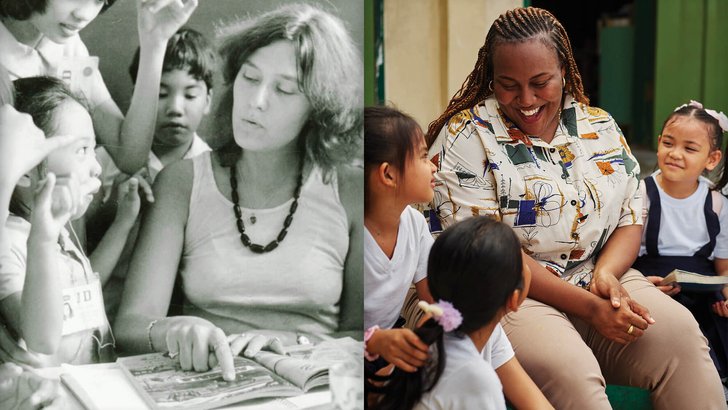
65 years of Volunteers in action—then and now.

FAQs
Yes. Peace Corps Volunteers receive a monthly living allowance. The specific amount will vary by country and is determined by a number of factors. The allowance is intended for Volunteers to live at a level similar to the people in their community, and will cover housing, food, transportation and other regular living expenses. The Peace Corps will arrange local banking services for Volunteers upon their arrival in country.
At the close of service, Volunteers receive a service award*, which is intended to help them resettle upon close of service. Returned Volunteers who complete two years of service receive more than $10,000 (pre-tax). Returned Volunteers who complete one year of service receive $5,000 (pre-tax). This money is yours to use as you wish.
Finally, Peace Corps Response Volunteers receive between $3,000 to $6,000 (pre-tax), as their service durations vary in length from 6 to 12 months.
*readjustment allowance
You must be at least 18 years old to serve, but there is no upper age limit.
Some positions require knowledge of Spanish, but most positions do not require a language. Overall, a willingness to learn new languages is an important trait for a Peace Corps Volunteer no matter what they do or where they serve.